
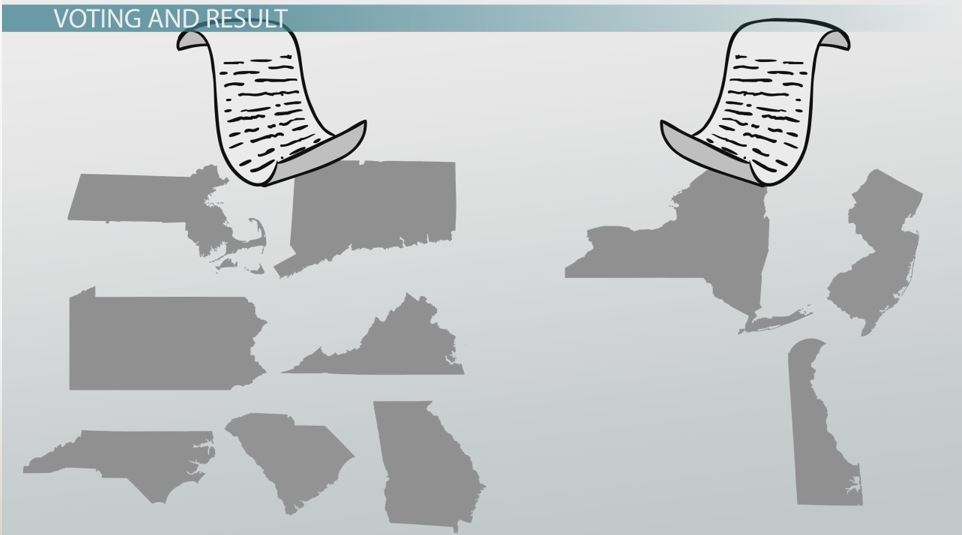
The New Jersey Plan: A Blueprint for Representation
The New Jersey Plan, also known as the Small State Plan, was a proposal presented during the Constitutional Convention of 1787. It was put forward by William Paterson, a delegate from New Jersey, as an alternative to the Virginia Plan.
At the heart of the New Jersey Plan was the idea of equal representation for all states in the legislative branch of government. Under this plan, each state would have an equal vote in Congress, regardless of its population size. This was in contrast to the Virginia Plan, which called for representation based on population.
The New Jersey Plan sought to protect the interests of smaller states, who feared being overshadowed by larger states under a system of proportional representation. By advocating for equal representation, it aimed to ensure that each state had a voice in the federal government and could protect its own interests.
Although the New Jersey Plan was not ultimately adopted in its original form, elements of it were incorporated into the final Constitution through compromises such as the Great Compromise. This compromise led to the creation of a bicameral legislature with one house (the Senate) providing equal representation for all states and another house (the House of Representatives) based on population.
The legacy of the New Jersey Plan can be seen in the structure of the United States Congress today, where both principles of equal and proportional representation are reflected. It stands as a testament to the importance of balancing competing interests and finding common ground in order to create a functioning system of government.
Key Benefits of the New Jersey Plan: Ensuring Fair Representation and Protecting State Interests
- Ensured equal representation for all states in Congress.
- Protected the interests of smaller states from domination by larger states.
- Promoted a sense of fairness and equity among states.
- Encouraged cooperation and compromise between states with varying populations.
- Helped prevent the tyranny of the majority by giving each state a voice.
- Facilitated the creation of a balanced system of government that considered diverse state needs.
- Contributed to the development of the bicameral legislature in the U.S. Constitution.
- Highlighted the importance of addressing concerns of smaller states in nation-building efforts.
- Set a precedent for negotiating differences and reaching consensus for effective governance.
Challenges of the New Jersey Plan: Addressing Representation and Legislative Gridlock
- Undermined the principle of proportional representation based on population size
- Could lead to unequal representation and disenfranchisement of larger states
- May hinder effective decision-making by giving equal weight to states with vastly different populations
- Potential for gridlock in legislative processes due to conflicting interests and lack of compromise
Ensured equal representation for all states in Congress.
One of the key advantages of the New Jersey Plan was its provision for ensuring equal representation for all states in Congress. By advocating for each state to have an equal vote in the legislative branch, regardless of its population size, the plan aimed to prevent larger states from dominating smaller ones. This approach helped to safeguard the interests and voices of smaller states, ensuring that they had a fair say in national decision-making processes. The principle of equal representation promoted by the New Jersey Plan underscored the importance of inclusivity and balance in shaping a government that respects the diversity and autonomy of all states within the union.
Protected the interests of smaller states from domination by larger states.
The New Jersey Plan, with its emphasis on equal representation for all states in the legislative branch, effectively safeguarded the interests of smaller states from potential domination by larger states. By ensuring that each state had an equal vote in Congress regardless of its population size, the plan provided a crucial mechanism for smaller states to have a voice in the federal government and protect their unique interests. This proponent of the New Jersey Plan addressed concerns about potential inequalities that could arise under a system of proportional representation, highlighting the importance of fair and balanced representation among all states within the union.
Promoted a sense of fairness and equity among states.
The New Jersey Plan promoted a sense of fairness and equity among states by advocating for equal representation in the legislative branch of government. By ensuring that each state had an equal voice and vote in Congress, regardless of its population size, the plan aimed to prevent larger states from dominating smaller ones. This approach fostered a spirit of equality and fairness among states, emphasizing the importance of each state’s interests and contributions to the federal government. The New Jersey Plan’s focus on equitable representation helped establish a foundation for cooperation and unity among states, ultimately contributing to a more balanced and inclusive system of governance.
Encouraged cooperation and compromise between states with varying populations.
The New Jersey Plan’s emphasis on equal representation encouraged cooperation and compromise between states with varying populations. By advocating for each state to have an equal voice in the legislative branch, regardless of size, the plan fostered a sense of unity and fairness among states. This approach prompted delegates to engage in discussions and negotiations to find common ground, leading to the development of compromises such as the Great Compromise. Ultimately, the New Jersey Plan played a crucial role in promoting collaboration and harmony among states with diverse populations, highlighting the importance of working together to achieve a balanced and functional system of government.
Helped prevent the tyranny of the majority by giving each state a voice.
The New Jersey Plan played a crucial role in preventing the tyranny of the majority by advocating for equal representation for each state, regardless of its size or population. By ensuring that every state had a voice in the legislative branch of government, this aspect of the plan helped safeguard the interests of smaller states from being overshadowed by those with larger populations. This approach promoted fairness and balance in decision-making processes, highlighting the importance of protecting minority viewpoints and preventing any one group from dominating at the expense of others.
Facilitated the creation of a balanced system of government that considered diverse state needs.
The New Jersey Plan facilitated the creation of a balanced system of government that considered diverse state needs by advocating for equal representation in Congress. By proposing that each state have an equal vote regardless of its population size, the plan aimed to ensure that smaller states had a voice in the federal government and could protect their interests. This approach helped to address concerns about potential domination by larger states and fostered a sense of inclusivity and fairness in the decision-making process, ultimately contributing to the development of a system that took into account the varied needs and perspectives of all states.
Contributed to the development of the bicameral legislature in the U.S. Constitution.
One significant pro of the New Jersey Plan was its contribution to the development of the bicameral legislature in the U.S. Constitution. By advocating for equal representation for all states in one house of Congress, the New Jersey Plan highlighted the importance of balancing the interests of both small and large states. This concept ultimately led to the Great Compromise, which established a bicameral legislature with one house (the Senate) providing equal representation for all states and another house (the House of Representatives) based on population. The inclusion of this dual legislative structure in the Constitution helped ensure a fair and balanced representation of diverse interests within the federal government, promoting stability and cooperation among states.
Highlighted the importance of addressing concerns of smaller states in nation-building efforts.
The New Jersey Plan highlighted the importance of addressing concerns of smaller states in nation-building efforts by advocating for equal representation in the legislative branch of government. By emphasizing the need for each state to have an equal voice in decision-making processes, regardless of its size or population, the plan recognized the significance of ensuring that all states could protect their interests and participate meaningfully in shaping the new nation. This proponent of the plan underscored the value of inclusivity and fairness in governance, setting a precedent for addressing the needs and perspectives of all states, both large and small, in the nation-building process.
Set a precedent for negotiating differences and reaching consensus for effective governance.
The New Jersey Plan set a precedent for negotiating differences and reaching consensus for effective governance by highlighting the importance of balancing competing interests in a democratic system. By advocating for equal representation for all states, regardless of size, the plan emphasized the need to address concerns of smaller states and ensure their voices were heard in the federal government. This approach paved the way for compromises such as the Great Compromise, which ultimately led to the creation of a bicameral legislature that incorporated both principles of equal and proportional representation. The New Jersey Plan demonstrated that through thoughtful negotiation and compromise, diverse perspectives can be reconciled to establish a system of governance that serves the interests of all stakeholders.
Undermined the principle of proportional representation based on population size
One significant con of the New Jersey Plan was that it undermined the principle of proportional representation based on population size. By advocating for equal representation for all states in the legislative branch, regardless of their population, the plan failed to reflect the idea that larger states should have a greater voice in government due to their larger number of inhabitants. This approach could be seen as unfair to more populous states, as it diminished their ability to influence decision-making processes in proportion to their population size. Ultimately, this aspect of the New Jersey Plan highlighted a tension between ensuring equal state sovereignty and providing adequate representation based on demographic realities.
Could lead to unequal representation and disenfranchisement of larger states
One significant con of the New Jersey Plan is that its emphasis on equal representation for all states could potentially lead to unequal representation and disenfranchisement of larger states. By giving each state an equal vote in Congress regardless of population size, larger states with more diverse demographics and greater numbers of constituents may find themselves underrepresented compared to smaller states. This imbalance could result in larger states feeling marginalized and their interests not adequately represented in the legislative process, ultimately leading to a potential disenfranchisement of their populations within the federal government.
May hinder effective decision-making by giving equal weight to states with vastly different populations
One significant drawback of the New Jersey Plan is that it may hinder effective decision-making by giving equal weight to states with vastly different populations. By granting each state an equal vote in Congress regardless of its population size, the plan could lead to a situation where states with significantly larger populations have the same influence as smaller states. This imbalance in representation may result in challenges when making decisions that affect the entire nation, as the concerns and needs of more populous states could be overshadowed by those of smaller states. This con highlights the potential for gridlock and inefficiency in governance under a system that prioritizes equal state representation over proportional representation based on population.
Potential for gridlock in legislative processes due to conflicting interests and lack of compromise
One significant drawback of the New Jersey Plan was its potential to lead to gridlock in legislative processes due to conflicting interests and a lack of compromise. By advocating for equal representation for all states regardless of population size, the plan risked creating a situation where states with vastly different needs and priorities could find themselves at an impasse. Without mechanisms in place to encourage cooperation and negotiation, the rigid adherence to equal representation could hinder progress and decision-making in the legislative branch, ultimately stalling the functioning of government and impeding effective governance.