
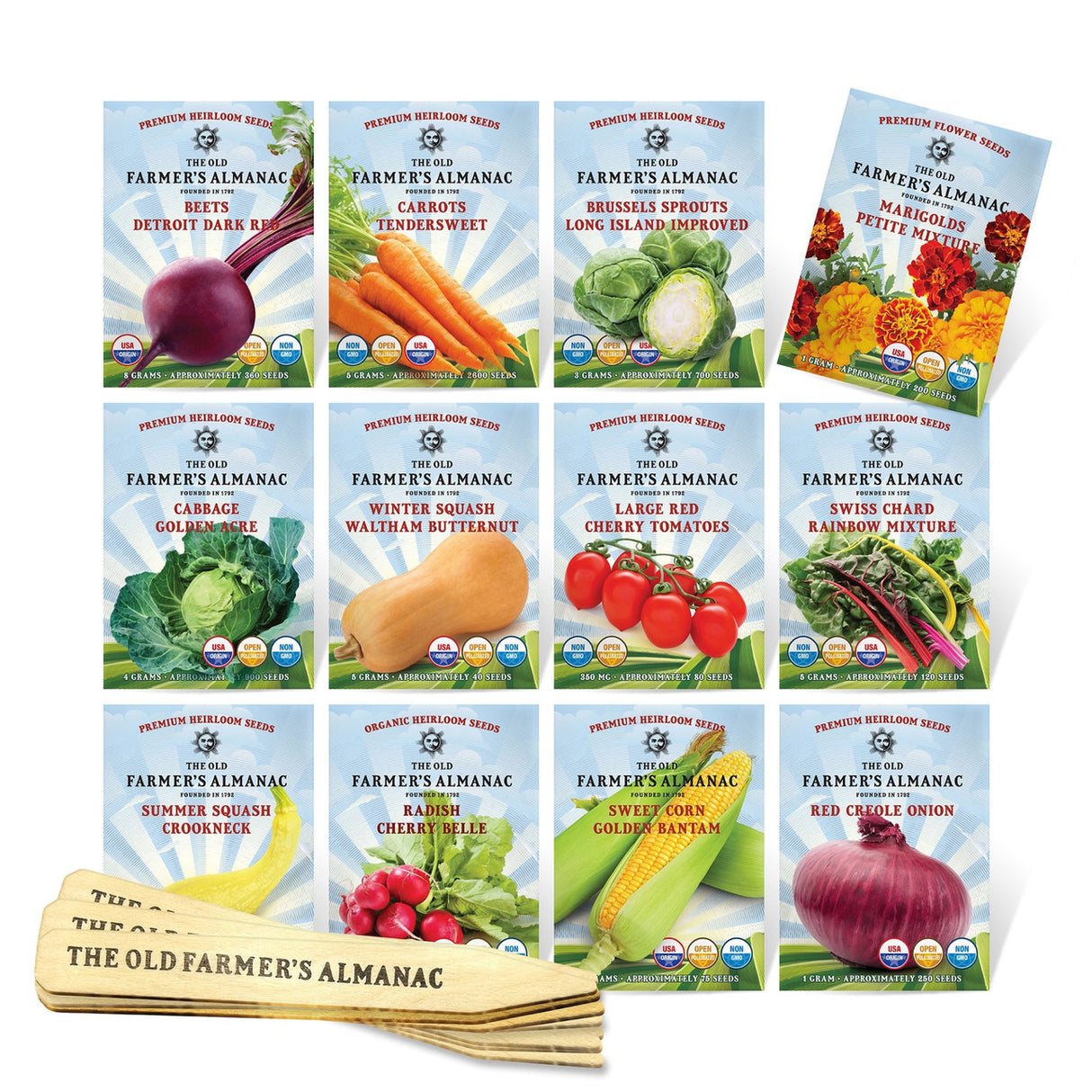
The Magic of Vegetable Seeds: A Guide to Growing Your Own Produce
Vegetable seeds are like tiny bundles of potential, waiting to burst forth with life and flavor. Whether you’re a seasoned gardener or a novice with a green thumb, growing your own vegetables from seed can be a rewarding and satisfying experience.
One of the joys of starting vegetables from seeds is the wide variety of options available. From heirloom tomatoes to exotic peppers, there’s a whole world of flavors and colors waiting to be explored in seed catalogs and online stores. By growing your own vegetables from seed, you have the freedom to choose unique varieties that may not be available at your local nursery.
Starting vegetables from seeds also allows you to have full control over the growing process. You can select organic seeds, avoid harmful chemicals, and tailor your growing conditions to suit each plant’s specific needs. This level of customization can lead to healthier plants and more bountiful harvests.
When it comes to planting vegetable seeds, timing is crucial. Different vegetables have different requirements for when they should be started indoors or directly sown outdoors. Understanding these timelines can help you maximize your growing season and ensure that your plants have the best chance for success.
Once planted, watching vegetable seeds sprout and grow into robust plants can be a truly magical experience. With proper care and attention, those tiny seeds will transform into lush foliage and eventually bear fruit for you to enjoy at the dinner table.
So whether you’re looking to expand your garden repertoire or simply want to savor the satisfaction of growing your own food, consider diving into the world of vegetable seeds. With a little patience, dedication, and some good old-fashioned gardening know-how, you’ll soon be reaping the rewards of your labor in the form of fresh, delicious produce straight from your backyard.
Your Guide to Vegetable Seeds: FAQs on Planting, Growing, and Care
- 1. When is the best time to plant vegetable seeds?
- 2. How deep should I plant different types of vegetable seeds?
- 3. What are some common mistakes to avoid when starting vegetables from seeds?
- 4. How often should I water vegetable seeds and seedlings?
- 5. What are the ideal growing conditions for various vegetable seeds?
- 6. How long does it take for vegetable seeds to germinate?
- 7. Can I save and store excess vegetable seeds for future planting seasons?
- 8. Are there any special techniques for transplanting seedlings grown from vegetable seeds?
1. When is the best time to plant vegetable seeds?
The best time to plant vegetable seeds varies depending on the specific type of vegetable and your local climate. In general, most vegetable seeds are best planted in the early spring when the soil has warmed up and there is no longer a risk of frost. Some vegetables, like tomatoes and peppers, benefit from being started indoors several weeks before the last frost date to give them a head start. On the other hand, cold-hardy vegetables such as peas and lettuce can be sown directly in the garden as soon as the soil can be worked in early spring. Understanding the optimal planting times for different vegetable seeds can help you maximize your growing season and ensure a successful harvest.
2. How deep should I plant different types of vegetable seeds?
When planting different types of vegetable seeds, the general rule of thumb is to plant them at a depth that is approximately two to three times the diameter of the seed. However, it’s important to note that specific vegetables may have different planting depth requirements. For example, larger seeds like beans and peas are typically planted deeper, while smaller seeds such as lettuce and carrots are sown more shallowly. It’s always best to refer to the seed packet or gardening resources for precise planting instructions tailored to each type of vegetable seed. By following these guidelines, you can ensure that your vegetable seeds have the best chance of germinating and thriving in your garden.
3. What are some common mistakes to avoid when starting vegetables from seeds?
When starting vegetables from seeds, there are several common mistakes to avoid to ensure successful germination and healthy plant growth. One common mistake is planting seeds too deeply or too shallowly in the soil, which can hinder proper sprouting. It’s important to follow the seed packet instructions regarding planting depth for each type of vegetable. Another mistake is overwatering or underwatering the seeds, as inconsistent moisture levels can prevent germination or lead to dampening off. Additionally, starting seeds too early or too late in the season can impact plant development and yield. Proper timing based on your local climate and growing conditions is key to successful seed starting. By being mindful of these common mistakes and following best practices for seed starting, gardeners can increase their chances of growing robust and productive vegetable plants from seeds.
4. How often should I water vegetable seeds and seedlings?
Proper watering is crucial for the success of vegetable seeds and seedlings. It is important to keep the soil consistently moist but not waterlogged. Generally, vegetable seeds should be watered lightly once or twice a day to keep the soil surface moist until they germinate. Once seedlings emerge, watering frequency can be reduced but ensure that the soil remains evenly moist, especially during hot weather. It’s essential to monitor the moisture levels regularly and adjust your watering schedule based on the specific needs of the vegetables you are growing. Overwatering can lead to root rot, while underwatering can cause stress and stunted growth in seedlings.
5. What are the ideal growing conditions for various vegetable seeds?
Understanding the ideal growing conditions for various vegetable seeds is essential for a successful garden. Different vegetables have specific requirements when it comes to factors like sunlight, soil quality, moisture levels, and temperature. For example, tomatoes thrive in full sun with well-drained soil rich in organic matter, while leafy greens like lettuce prefer cooler temperatures and consistent moisture. By researching and tailoring your growing conditions to match the needs of each type of vegetable seed you plant, you can optimize their growth and maximize your harvest yield.
6. How long does it take for vegetable seeds to germinate?
The time it takes for vegetable seeds to germinate can vary depending on the type of vegetable and its specific growing conditions. In general, most vegetable seeds will germinate within 5 to 10 days if provided with adequate moisture, warmth, and light. However, some seeds may take longer to sprout, with certain varieties requiring up to 2 weeks or more before showing signs of germination. It’s important to follow the recommended planting depth, spacing, and temperature requirements for each type of vegetable seed to optimize germination success. Patience is key when waiting for your vegetable seeds to sprout, as each plant has its own timeline for growth and development.
7. Can I save and store excess vegetable seeds for future planting seasons?
Saving and storing excess vegetable seeds for future planting seasons is a common practice among gardeners looking to reduce waste and save money. Properly stored seeds can remain viable for several years, allowing you to grow your favorite varieties season after season. To ensure the best chances of success, it’s important to store seeds in a cool, dry place away from sunlight and moisture. Many gardeners opt to use airtight containers or seed-saving envelopes to protect their seeds from humidity and pests. By taking the time to store excess vegetable seeds correctly, you can enjoy a bountiful harvest year after year without having to purchase new seeds each season.
8. Are there any special techniques for transplanting seedlings grown from vegetable seeds?
Transplanting seedlings grown from vegetable seeds requires some special techniques to ensure their successful transition to the garden. It is important to handle seedlings with care, gently loosening them from their containers and holding them by their leaves to avoid damaging the delicate stems. Before transplanting, it’s beneficial to harden off seedlings by gradually exposing them to outdoor conditions to acclimate them to sunlight and temperature changes. Dig a hole in the soil slightly larger than the root ball of the seedling and water thoroughly after transplanting to help reduce transplant shock. Providing adequate water and protection from harsh weather conditions will help your transplanted seedlings thrive in their new environment.