
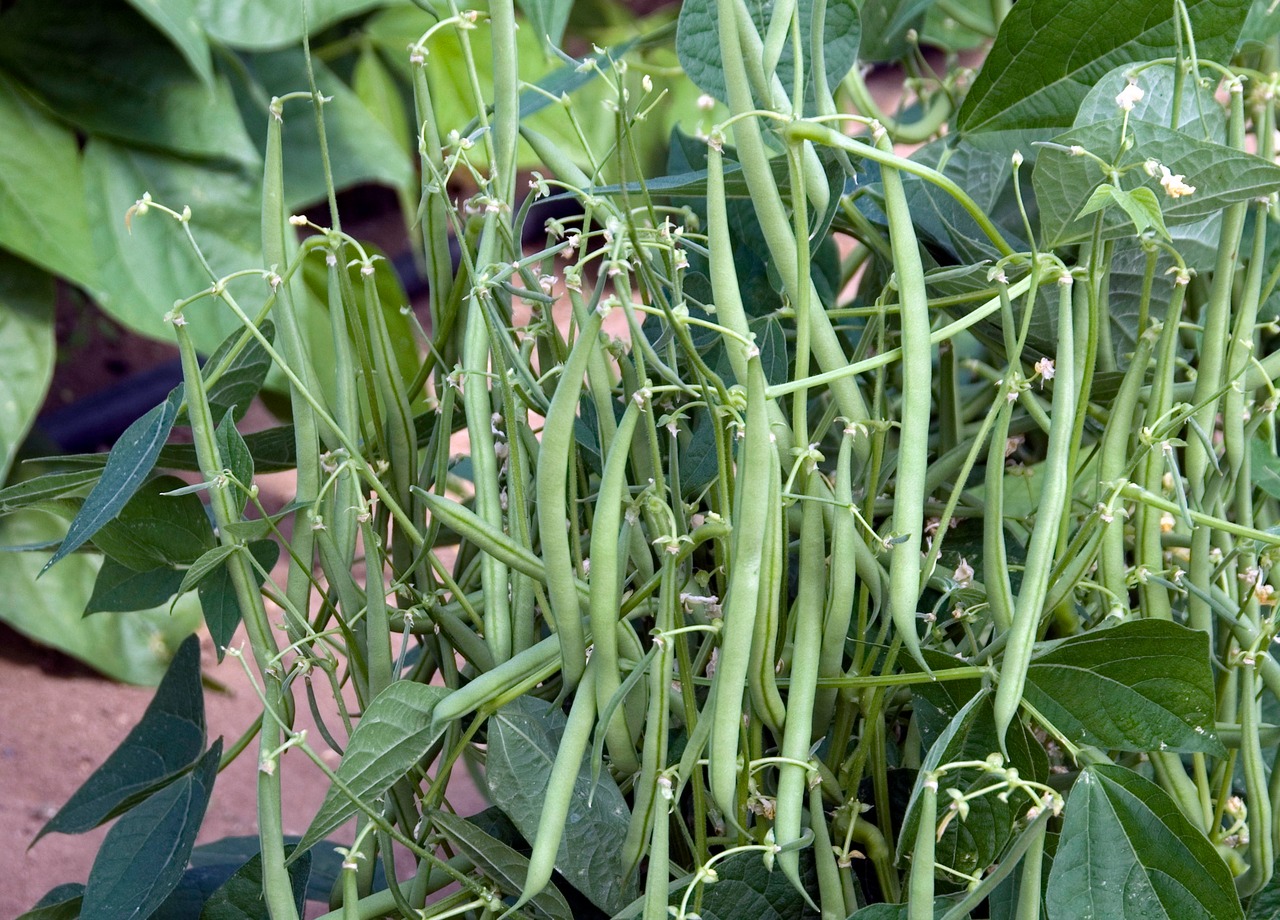
The Green Bean Plant: A Guide to Growing Your Own
Green beans, also known as string beans or snap beans, are a popular and versatile vegetable that can easily be grown in your own garden. Whether you prefer them fresh, steamed, sautéed, or added to soups and salads, green beans are a nutritious addition to any meal.
Varieties of Green Beans
There are two main types of green beans: bush beans and pole beans. Bush beans grow in a compact bushy form and are ideal for small gardens or containers. Pole beans, on the other hand, require support as they vine and climb upwards.
Planting and Care
To plant green beans, choose a sunny spot with well-drained soil. Sow the seeds directly into the ground after the last frost date in your area. Water regularly to keep the soil moist but not waterlogged.
If you’re planting pole beans, provide them with a trellis or support structure for them to climb. Bush beans do not require support but may benefit from mulching around the base of the plants to retain moisture and suppress weeds.
Harvesting Green Beans
Green beans are typically ready to harvest about 50-60 days after planting. Pick the pods when they are young and tender for the best flavor. Regular harvesting encourages more bean production throughout the growing season.
Culinary Uses
Green beans can be enjoyed in a variety of ways. They can be steamed, sautéed, stir-fried, roasted, or even pickled. They are a great source of vitamins A and C, as well as fiber and protein.
In Conclusion
Growing your own green bean plant is a rewarding experience that allows you to enjoy fresh and delicious produce right from your backyard. With proper care and attention, you can enjoy a bountiful harvest of green beans throughout the growing season.
8 Essential Tips for Growing Healthy Green Bean Plants
- Plant green beans in well-draining soil with full sunlight.
- Water the plants regularly, keeping the soil moist but not waterlogged.
- Provide support for climbing varieties of green beans to help them grow vertically.
- Mulch around the plants to retain moisture and suppress weeds.
- Fertilize green bean plants with a balanced fertilizer to promote healthy growth.
- Harvest green beans frequently to encourage more production.
- Watch out for common pests like aphids and beetles; use organic pest control methods if needed.
- Rotate planting locations each year to prevent diseases and maintain soil fertility.
Plant green beans in well-draining soil with full sunlight.
To ensure the healthy growth of green bean plants, it is essential to plant them in well-draining soil that receives full sunlight. Green beans thrive in sunny conditions and require soil that allows excess water to drain away effectively. By providing the right environment with ample sunlight and proper drainage, you can promote robust growth and bountiful harvests of delicious green beans.
Water the plants regularly, keeping the soil moist but not waterlogged.
To ensure the healthy growth of your green bean plants, it is essential to water them regularly while maintaining a balance in soil moisture levels. Avoid overwatering, as waterlogged soil can lead to root rot and other issues. By keeping the soil consistently moist but not saturated, you provide the ideal conditions for your green bean plants to thrive and produce a bountiful harvest of delicious beans.
Provide support for climbing varieties of green beans to help them grow vertically.
For climbing varieties of green beans, it is essential to provide proper support to encourage vertical growth. By offering a trellis or other support structure, you can help the plants climb upward, maximizing space and sunlight exposure. This not only promotes healthier growth but also makes harvesting easier and more efficient. Supporting climbing green beans is a simple yet effective way to ensure a successful and productive harvest in your garden.
Mulch around the plants to retain moisture and suppress weeds.
Mulching around green bean plants is a beneficial practice that helps retain moisture in the soil and suppress the growth of weeds. By adding a layer of mulch, such as straw, grass clippings, or compost, around the base of the plants, you can reduce water evaporation from the soil, ensuring that the roots stay consistently moist. Additionally, mulch acts as a natural barrier that helps prevent weed seeds from germinating and competing with your green bean plants for nutrients and sunlight. This simple tip not only promotes healthier plant growth but also minimizes maintenance efforts in your garden.
Fertilize green bean plants with a balanced fertilizer to promote healthy growth.
Fertilizing green bean plants with a balanced fertilizer is essential for promoting healthy growth and maximizing yield. A balanced fertilizer provides the necessary nutrients, such as nitrogen, phosphorus, and potassium, to support the plant’s overall development. By ensuring that green bean plants receive proper fertilization, gardeners can encourage strong root growth, lush foliage, and abundant bean production. Regular fertilization throughout the growing season will help green bean plants thrive and produce a bountiful harvest of delicious beans.
Harvest green beans frequently to encourage more production.
Harvesting green beans frequently is a key tip to encourage continuous production from your green bean plants. By picking the pods when they are young and tender, you not only enjoy the best flavor but also stimulate the plant to produce more beans. Regular harvesting prevents the beans from becoming overripe and tough, promoting a healthier and more abundant crop throughout the growing season.
Watch out for common pests like aphids and beetles; use organic pest control methods if needed.
When growing green bean plants, it is important to be vigilant for common pests such as aphids and beetles that can damage the leaves and pods. These pests can quickly multiply and harm your plants if left unchecked. To protect your green bean crop, consider using organic pest control methods such as introducing beneficial insects, using insecticidal soap, or applying neem oil. By monitoring your plants regularly and taking proactive measures against pests, you can ensure a healthy and thriving green bean harvest.
Rotate planting locations each year to prevent diseases and maintain soil fertility.
To ensure the health and productivity of your green bean plants, it is essential to rotate planting locations each year. By rotating the areas where you plant your green beans, you can prevent the buildup of diseases in the soil and maintain soil fertility. This practice helps break pest and disease cycles, reduces the risk of nutrient depletion, and promotes overall plant health. Consider rotating your green bean plants with other crops in different areas of your garden to optimize soil quality and yield for a successful harvest season.