
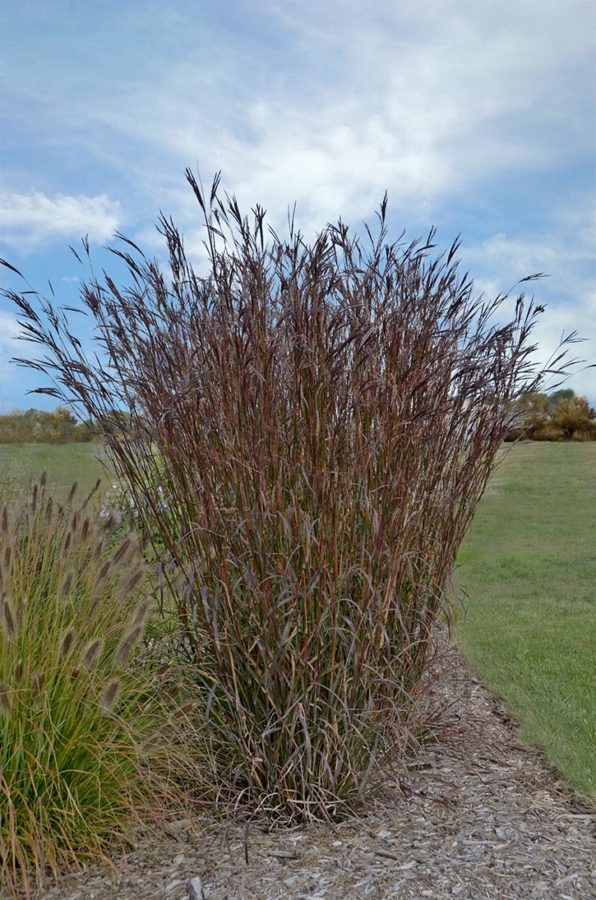
The Beauty of Big Blue Stem Grass
Big Blue Stem, scientifically known as Andropogon gerardii, is a native grass species that holds both ecological and aesthetic value. This tall, warm-season grass is a staple in prairie landscapes across North America, known for its striking blue-green foliage and unique seed heads.
Big Blue Stem grass plays a crucial role in supporting biodiversity by providing habitat for wildlife such as birds, insects, and small mammals. Its deep root system helps prevent soil erosion and improves soil health by enhancing water infiltration and nutrient cycling.
One of the most distinctive features of Big Blue Stem is its upright growth habit, reaching heights of up to 6-8 feet. In the fall, the foliage turns a beautiful reddish-brown color, adding warmth to the autumn landscape.
Gardeners and landscapers often incorporate Big Blue Stem grass into their designs for its ornamental appeal and low maintenance requirements. It thrives in full sun and well-drained soils, making it an excellent choice for sustainable landscaping projects.
Whether used in prairie restorations, rain gardens, or as a focal point in garden beds, Big Blue Stem grass adds texture, movement, and visual interest to any landscape. Its adaptability to various soil types and climates makes it a versatile choice for both residential and commercial landscapes.
In conclusion, Big Blue Stem grass is not only a beautiful addition to any landscape but also an important player in promoting ecological balance and sustainability. Consider incorporating this native grass species into your next landscaping project to enjoy its beauty while supporting local ecosystems.
6 Essential Tips for Growing and Caring for Big Bluestem Grass
- Plant big bluestem in full sun for optimal growth.
- Ensure well-draining soil to prevent waterlogged conditions.
- Water newly planted big bluestem regularly until established, then it is drought-tolerant.
- Cut back big bluestem in late winter or early spring to promote new growth.
- Fertilize sparingly as big bluestem thrives in nutrient-poor soils.
- Consider planting big bluestem in groups for a visually striking effect.
Plant big bluestem in full sun for optimal growth.
To ensure optimal growth of Big Blue Stem grass, it is recommended to plant it in full sun. Big Blue Stem thrives in sunny conditions, allowing it to reach its maximum height and develop its characteristic blue-green foliage. By providing ample sunlight, you can promote healthy growth and vibrant coloration in your Big Blue Stem grass, making it a standout feature in your landscape design.
Ensure well-draining soil to prevent waterlogged conditions.
To ensure the healthy growth of Big Blue Stem grass, it is essential to plant it in well-draining soil to prevent waterlogged conditions. This native grass species thrives in soil that allows excess water to drain away efficiently, as waterlogged conditions can lead to root rot and other issues that may hinder its growth. By ensuring proper drainage, gardeners can help Big Blue Stem grass establish strong roots, absorb nutrients effectively, and flourish in its natural habitat.
Water newly planted big bluestem regularly until established, then it is drought-tolerant.
To ensure the successful establishment of newly planted Big Bluestem grass, it is essential to water it regularly until it takes root and becomes established in its new environment. Once established, Big Bluestem demonstrates impressive drought tolerance, making it a low-maintenance and sustainable landscaping choice. By providing adequate water during the initial growth period, gardeners can help this native grass thrive and develop its resilience to dry conditions, ultimately contributing to a vibrant and sustainable landscape design.
Cut back big bluestem in late winter or early spring to promote new growth.
To encourage new growth and maintain the health of Big Blue Stem grass, it is recommended to cut back the plant in late winter or early spring. Trimming the grass at this time allows for fresh shoots to emerge and promotes vigorous growth throughout the growing season. By pruning Big Blue Stem at the right time, gardeners can help rejuvenate the plant, ensuring its continued beauty and vitality in the landscape.
Fertilize sparingly as big bluestem thrives in nutrient-poor soils.
When cultivating Big Blue Stem grass, it is advisable to fertilize sparingly due to its preference for nutrient-poor soils. This native grass species thrives in conditions where nutrients are limited, making it well-suited for landscapes with lean soil profiles. By refraining from excessive fertilization, gardeners can help maintain the natural balance that Big Blue Stem requires to flourish, ensuring its long-term health and vitality in the garden or landscape setting.
Consider planting big bluestem in groups for a visually striking effect.
When planting Big Bluestem grass, consider grouping them together to create a visually striking effect. Planting them in clusters or drifts can enhance the overall aesthetic appeal of your landscape design. By grouping Big Bluestem plants, you can highlight their tall, upright growth habit and showcase their beautiful blue-green foliage and unique seed heads. This planting strategy not only adds visual interest but also creates a cohesive and harmonious look in your garden or landscape setting.