
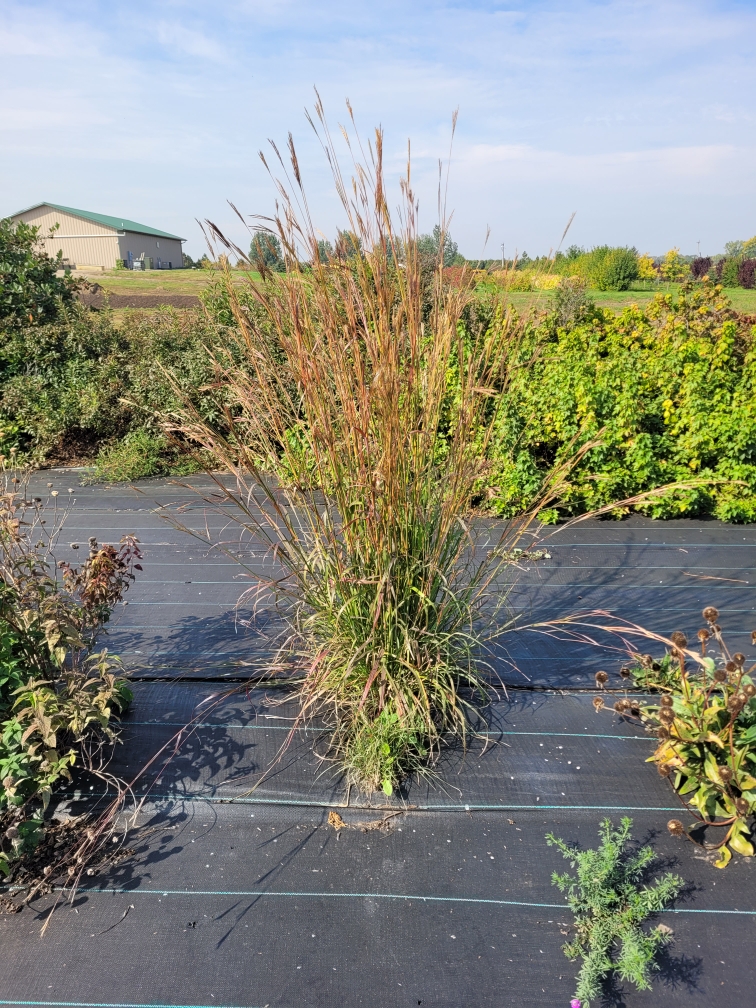
The Beauty and Benefits of Big Bluestem Grass
Big Bluestem, scientifically known as Andropogon gerardii, is a native grass species that is not only visually stunning but also offers numerous environmental benefits. Commonly found in prairies and open woodlands across North America, Big Bluestem is a versatile plant with a rich history and important ecological role.
One of the most striking features of Big Bluestem is its tall, upright growth habit, reaching heights of up to 6-8 feet. The grass gets its name from the blue-green color of its stems and leaves, which turn a beautiful reddish-brown in the fall, adding warmth and texture to the landscape.
Big Bluestem is not just a pretty face – it also plays a crucial role in supporting biodiversity and ecosystem health. As a native species, it provides food and habitat for various wildlife, including birds, insects, and small mammals. Its deep root system helps prevent soil erosion and improves soil structure, making it an excellent choice for erosion control in landscaping projects.
In addition to its ecological benefits, Big Bluestem is also popular among gardeners for its low maintenance requirements and drought tolerance. Once established, this hardy grass requires minimal watering and fertilizer, making it an ideal choice for sustainable landscaping practices.
Whether used in prairie restoration projects, natural landscaping designs, or as a focal point in garden borders, Big Bluestem adds beauty, texture, and ecological value to any outdoor space. Consider incorporating this native grass into your landscape to enjoy its aesthetic appeal while supporting local biodiversity and environmental sustainability.
Everything You Need to Know About Big Bluestem: FAQs on Growth, Benefits, and Landscaping
- What is Big Bluestem?
- How tall does Big Bluestem grow?
- What color are the stems and leaves of Big Bluestem?
- What ecological benefits does Big Bluestem provide?
- What are the maintenance requirements for Big Bluestem?
- Where can I find Big Bluegrass growing naturally?
- Can I use Big Bluegrass in landscaping projects?
- Is planting native species like Big Bluegrass important for the environment?
- How can I incorporate Big Bluegrass into my landscape?
What is Big Bluestem?
Big Bluestem, scientifically known as Andropogon gerardii, is a native grass species that is commonly found in prairies and open woodlands across North America. Known for its tall, upright growth habit and distinctive blue-green stems and leaves, Big Bluestem adds visual interest to landscapes while also providing important ecological benefits. This versatile grass species plays a crucial role in supporting biodiversity by offering food and habitat for wildlife. With its deep root system that helps prevent soil erosion and its drought tolerance, Big Bluestem is a popular choice for sustainable landscaping practices.
How tall does Big Bluestem grow?
Big Bluestem, a native grass species known for its striking appearance and ecological benefits, typically grows to heights ranging from 6 to 8 feet. This tall, upright grass features blue-green stems and leaves that can add a dramatic vertical element to landscapes. In the fall, Big Bluestem undergoes a color transformation, turning a beautiful reddish-brown hue that adds warmth and visual interest to outdoor spaces. Gardeners and landscapers often appreciate the impressive height of Big Bluestem as it provides a bold and eye-catching presence in prairie restorations, natural landscaping designs, and garden borders.
What color are the stems and leaves of Big Bluestem?
The stems and leaves of Big Bluestem are characterized by a striking blue-green hue, which gives the grass its distinctive name. As the seasons change, the color of the stems and leaves transitions to a beautiful reddish-brown tone, adding depth and visual interest to the landscape. This color transformation is one of the many appealing features of Big Bluestem that make it a popular choice for both ornamental landscaping and ecological restoration projects.
What ecological benefits does Big Bluestem provide?
Big Bluestem, also known as Andropogon gerardii, offers a range of ecological benefits that make it a valuable addition to natural landscapes and restoration projects. As a native grass species, Big Bluestem plays a crucial role in supporting biodiversity by providing food and habitat for wildlife such as birds, insects, and small mammals. Its deep root system helps prevent soil erosion, improve soil structure, and enhance water infiltration, making it an effective tool for soil conservation and erosion control. Additionally, Big Bluestem contributes to carbon sequestration and helps maintain ecosystem balance by supporting diverse plant communities. Overall, the ecological benefits of Big Bluestem underscore its importance in promoting environmental sustainability and enhancing ecosystem health.
What are the maintenance requirements for Big Bluestem?
Maintaining Big Bluestem grass is relatively straightforward once it is established. This native grass species is known for its low maintenance requirements, making it a popular choice for landscaping projects. To ensure the health and vigor of Big Bluestem, regular watering during the establishment phase is recommended. Once established, the grass is drought-tolerant and requires minimal watering, making it well-suited for dry conditions. In terms of pruning, Big Bluestem can be cut back in late winter or early spring to promote new growth and maintain its attractive appearance. Overall, with its minimal water needs and resilient nature, Big Bluestem is a sustainable and easy-to-care-for addition to any landscape.
Where can I find Big Bluegrass growing naturally?
Big Bluestem, also known as Big Bluegrass, is a native grass species that can be found growing naturally in various habitats across North America. This iconic grass thrives in prairies, open woodlands, meadows, and along roadsides in regions with well-drained soils and plenty of sunlight. From the Great Plains to the eastern United States, Big Bluestem plays a vital role in supporting biodiversity and ecosystem health in its natural habitats. Observing this majestic grass in its native environment offers a glimpse into the beauty and resilience of our natural landscapes.
Can I use Big Bluegrass in landscaping projects?
Big Bluestem, often mistakenly referred to as Big Bluegrass, is a native grass species that offers numerous benefits for landscaping projects. While Big Bluegrass is not a correct term, Big Bluestem is a popular choice for sustainable landscaping due to its low maintenance requirements, drought tolerance, and aesthetic appeal. This tall grass with blue-green foliage adds texture and visual interest to gardens, prairies, and open landscapes. Its deep root system helps prevent soil erosion and improve soil health, making it an excellent option for erosion control in landscaping projects. Consider incorporating Big Bluestem into your landscape design to enjoy its beauty while supporting local biodiversity and environmental sustainability.
Is planting native species like Big Bluegrass important for the environment?
Planting native species like Big Bluestem is crucial for the environment due to the numerous benefits they provide. Native plants have evolved over time to thrive in their specific ecosystems, making them well-adapted to local climate conditions and soil types. By planting native species like Big Bluestem, we can help support biodiversity, provide habitat and food sources for wildlife, improve soil health, conserve water, and reduce the need for chemical inputs such as pesticides and fertilizers. Additionally, native plants like Big Bluestem play a vital role in maintaining ecological balance and resilience in our landscapes, making them an essential component of sustainable gardening practices that benefit both the environment and our communities.
How can I incorporate Big Bluegrass into my landscape?
Incorporating Big Bluestem into your landscape is a wonderful way to add beauty, texture, and ecological value to your outdoor space. This versatile native grass can be used in a variety of ways, such as creating naturalistic prairie plantings, adding vertical interest to garden borders, or providing erosion control on slopes. Consider planting Big Bluestem in mass plantings for a dramatic effect, mixing it with other native plants for a diverse and wildlife-friendly landscape, or using it as a backdrop for flowering perennials. With its low maintenance requirements and striking appearance throughout the seasons, Big Bluestem is a fantastic choice for enhancing the aesthetic and environmental aspects of your landscape design.