
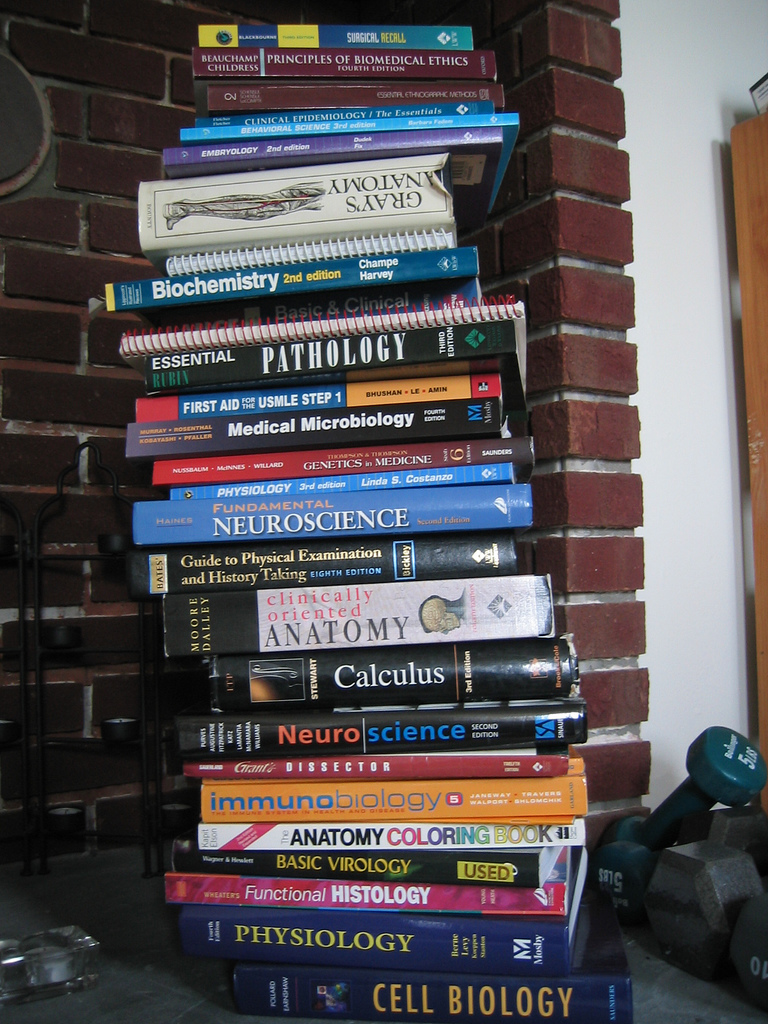
The Role of Textbooks in Education
Textbooks have long been a fundamental part of the educational process, serving as essential resources for students and teachers alike. These printed or digital materials contain valuable information, explanations, and exercises that support learning across various subjects and grade levels.
Key Benefits of Textbooks
One of the primary advantages of textbooks is their structured approach to presenting information. Organized by chapters or units, textbooks provide a systematic overview of a subject, making it easier for students to follow along and understand complex concepts.
Textbooks also offer a comprehensive source of knowledge that covers essential topics within a particular discipline. Whether studying mathematics, science, history, or literature, students can rely on textbooks to access foundational information and explore key ideas in depth.
Enhancing Learning Through Textbooks
Beyond serving as reference materials, textbooks play a crucial role in enhancing the learning experience. By incorporating illustrations, diagrams, charts, and real-world examples, textbooks help reinforce understanding and engage students visually.
Furthermore, textbooks often include practice exercises, review questions, and problem-solving activities that allow students to apply what they have learned. These interactive elements promote active learning and critical thinking skills essential for academic success.
The Evolving Landscape of Textbooks
In recent years, the rise of digital technology has transformed the way textbooks are accessed and utilized. E-books and online resources offer dynamic multimedia content, interactive features, and adaptive learning tools that cater to diverse learning styles.
Despite these advancements, traditional printed textbooks remain prevalent in classrooms worldwide due to their reliability, accessibility, and ease of use. Many educators recognize the enduring value of physical textbooks as foundational resources that support student learning.
In Conclusion
Textbooks continue to play a vital role in education by providing structured content, comprehensive knowledge coverage, interactive learning opportunities, and adaptability to changing educational landscapes. Whether in print or digital form, textbooks remain indispensable tools for fostering academic growth and empowering students on their educational journey.
9 Essential Tips for Mastering Your Textbooks
- Always read the table of contents to get an overview of the topics covered.
- Take notes while reading to aid in retention and comprehension.
- Use sticky tabs or highlighters to mark important sections for quick reference.
- Review summaries or chapter outlines to reinforce key points.
- Discuss the material with classmates to gain different perspectives.
- Create flashcards for quick review of terms and concepts.
- Set specific goals for each study session to stay focused and motivated.
- Take breaks during study sessions to prevent mental fatigue.
- Utilize additional online resources or videos for further clarification.
Always read the table of contents to get an overview of the topics covered.
When using textbooks, it is essential to always read the table of contents to gain a comprehensive overview of the topics covered in the book. The table of contents serves as a roadmap that outlines the structure and organization of the material, allowing readers to understand the sequence of information and key concepts presented. By familiarizing oneself with the table of contents, students can effectively navigate through the textbook, identify specific chapters or sections relevant to their study needs, and better grasp the overall scope of the subject matter before delving into detailed content.
Take notes while reading to aid in retention and comprehension.
Taking notes while reading textbooks is a valuable strategy to enhance retention and comprehension. By jotting down key points, summarizing important information, and highlighting key concepts, students can actively engage with the material and reinforce their understanding. These notes serve as personalized study aids that can be revisited later to reinforce learning and prepare for exams. Additionally, the act of summarizing content in one’s own words helps solidify knowledge and improve long-term retention. Incorporating note-taking into the reading process is a proactive approach that can significantly boost academic performance and deepen understanding of complex subject matter.
Use sticky tabs or highlighters to mark important sections for quick reference.
Utilizing sticky tabs or highlighters to mark key sections in textbooks is a valuable strategy for efficient studying and quick reference. By visually highlighting important information, students can easily locate and review crucial concepts, definitions, or examples when studying or preparing for exams. This simple yet effective method helps to prioritize essential content, improve retention, and streamline the learning process by creating visual cues that aid in navigating through the textbook efficiently.
Review summaries or chapter outlines to reinforce key points.
Reviewing summaries or chapter outlines is a valuable tip when using textbooks to study and learn. These condensed versions of the material help reinforce key points and concepts covered in the text, making it easier to grasp the main ideas without getting lost in details. By focusing on summaries or outlines, students can quickly refresh their understanding of important information and improve retention of crucial knowledge. This practice not only aids in comprehension but also enhances overall study efficiency, making it a useful strategy for maximizing the benefits of textbook resources.
Discuss the material with classmates to gain different perspectives.
Engaging in discussions with classmates about the material covered in textbooks can offer valuable insights and diverse perspectives that enhance learning. By sharing interpretations, asking questions, and exchanging ideas with peers, students can deepen their understanding of complex concepts and uncover new ways of approaching challenges. Collaborative discussions not only foster critical thinking skills but also promote a sense of community and mutual support within the classroom. Embracing diverse viewpoints through peer interactions enriches the educational experience and encourages collaborative learning environments where everyone can contribute to each other’s growth and success.
Create flashcards for quick review of terms and concepts.
Creating flashcards for quick review of terms and concepts is a highly effective study tip when using textbooks. Flashcards allow students to condense key information into bite-sized chunks, making it easier to memorize and recall important details. By actively engaging with flashcards, students can reinforce their understanding of complex concepts and improve retention. This interactive approach not only enhances learning efficiency but also helps students stay organized and focused while reviewing textbook material. Incorporating flashcards into study routines can significantly boost comprehension and mastery of subject matter, making them a valuable tool for academic success.
Set specific goals for each study session to stay focused and motivated.
Setting specific goals for each study session is a valuable tip that can help students stay focused and motivated while using textbooks. By establishing clear objectives, such as completing a certain number of chapters, mastering specific concepts, or finishing practice exercises, students can create a sense of purpose and direction in their learning process. These goals act as milestones to track progress and provide a sense of accomplishment upon completion. Additionally, setting achievable goals can boost motivation and productivity, encouraging students to stay engaged and committed to their studies throughout each study session.
Take breaks during study sessions to prevent mental fatigue.
Taking breaks during study sessions is a crucial tip to prevent mental fatigue and enhance learning retention. By allowing yourself short intervals of rest and relaxation, you give your brain the opportunity to recharge and refocus. This practice not only helps maintain your concentration levels but also promotes better information processing and cognitive function. Incorporating regular breaks into your study routine can improve overall productivity and contribute to a more effective and enjoyable learning experience.
Utilize additional online resources or videos for further clarification.
To enhance understanding and deepen comprehension of textbook material, students can benefit from utilizing additional online resources or educational videos for further clarification. These supplementary materials offer visual aids, real-life examples, and alternative explanations that can complement the information presented in textbooks. By incorporating these resources into their learning process, students can gain a more comprehensive understanding of complex concepts and reinforce their knowledge through different perspectives and interactive content.