
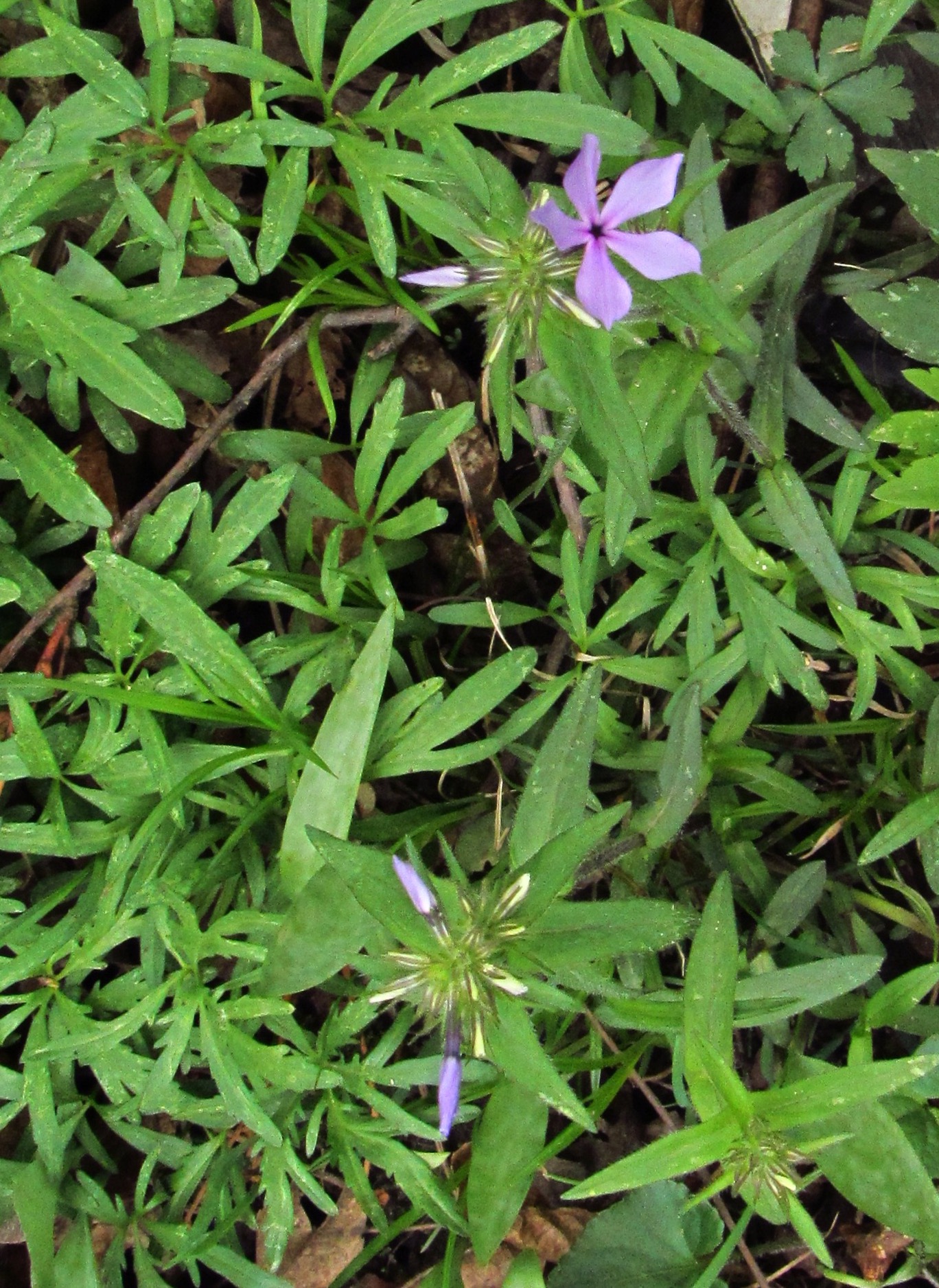
The Beauty of Wild Phlox
Wild phlox, also known as woodland phlox or wild blue phlox, is a stunning native wildflower that graces woodlands, meadows, and gardens with its delicate blooms. With its clusters of fragrant, five-petaled flowers in shades of blue, lavender, pink, and white, wild phlox adds a touch of natural beauty to any landscape.
One of the charms of wild phlox is its versatility. It thrives in various soil types and light conditions, making it an adaptable choice for both sunny and shady areas. Its low-growing habit makes it ideal for ground cover or edging along paths and borders.
In addition to its aesthetic appeal, wild phlox also plays a vital role in supporting pollinators such as bees and butterflies. The nectar-rich flowers attract these beneficial insects, contributing to the overall health of the ecosystem.
Caring for wild phlox is relatively easy. It prefers moist, well-drained soil and benefits from occasional watering during dry spells. Deadheading spent blooms can encourage prolonged flowering throughout the season.
Whether you’re looking to enhance your garden with native flora or create a wildlife-friendly habitat, consider adding the beauty of wild phlox to your outdoor space. Its effortless charm and ecological benefits make it a valuable addition to any landscape.
8 Common Questions About Wild Phlox: Identification, Growth Habits, and More
- Is wild phlox invasive?
- What is the problem with phlox?
- Do wild phlox like sun or shade?
- Is Woodland phlox invasive?
- How can you tell a wild phlox?
- Is there a wild phlox?
- Are wild phlox poisonous?
- What is the wild plant that looks like phlox?
Is wild phlox invasive?
Wild phlox, also known as woodland phlox or wild blue phlox, is not considered invasive. While it can spread through self-seeding in favorable conditions, wild phlox typically behaves well in garden settings and natural habitats. Its growth is manageable, and it does not aggressively overtake other plants or ecosystems. With proper care and maintenance, wild phlox can be enjoyed for its beauty without posing a threat as an invasive species.
What is the problem with phlox?
One common issue that gardeners may encounter with phlox plants is powdery mildew. Powdery mildew is a fungal disease that manifests as a white, powdery substance on the leaves and stems of the plant. This fungal infection can weaken the phlox plant, affecting its overall health and appearance. To prevent powdery mildew, it is essential to provide adequate air circulation around the plants, avoid overhead watering, and choose resistant varieties when possible. Regular monitoring and prompt treatment with fungicides can help manage powdery mildew and keep phlox plants thriving in the garden.
Do wild phlox like sun or shade?
Wild phlox, also known as woodland phlox or wild blue phlox, is a versatile plant that can thrive in various light conditions. While wild phlox prefers partial shade to full sun, it can adapt to different levels of sunlight. In general, it tends to perform best in locations with dappled sunlight or morning sun with afternoon shade. However, it can also grow well in areas with full sun as long as the soil is kept consistently moist. Overall, wild phlox’s ability to tolerate a range of light conditions makes it a flexible and attractive option for gardeners seeking a beautiful and low-maintenance addition to their landscape.
Is Woodland phlox invasive?
Woodland phlox, also known as wild phlox, is not considered invasive. In its native habitats, this delicate wildflower plays a beneficial role in supporting local ecosystems and wildlife. While it can spread naturally under favorable conditions, woodland phlox typically behaves well in garden settings and does not aggressively take over other plants or habitats. By choosing native species like woodland phlox for your garden, you can enjoy their beauty without worrying about invasive tendencies. Proper care and maintenance can help keep woodland phlox in check and ensure a harmonious balance in your landscape.
How can you tell a wild phlox?
Identifying wild phlox is relatively straightforward once you know what to look for. Wild phlox, also known as woodland phlox or wild blue phlox, can be distinguished by its clusters of fragrant, five-petaled flowers in shades of blue, lavender, pink, or white. These delicate blooms typically grow in loose clusters at the top of slender stems and have a distinct star-like shape. The plant’s lance-shaped leaves are opposite each other along the stem and may be slightly hairy or sticky to the touch. When in doubt, the sweet fragrance emitted by wild phlox flowers can also help confirm their identity.
Is there a wild phlox?
Yes, wild phlox, also known as woodland phlox or wild blue phlox, is a real and beautiful native wildflower that can be found in woodlands, meadows, and gardens. Wild phlox is characterized by its clusters of fragrant, five-petaled flowers in various shades of blue, lavender, pink, and white. This versatile plant thrives in different soil types and light conditions, making it a popular choice for gardeners looking to add natural beauty to their landscapes. With its low-growing habit and ability to attract pollinators like bees and butterflies, wild phlox is a valuable addition to any garden or natural habitat.
Are wild phlox poisonous?
Wild phlox, also known as woodland phlox or wild blue phlox, is not considered toxic to humans. In fact, wild phlox is safe to handle and plant in gardens. However, it’s important to note that while wild phlox is non-toxic to humans, some plants can be harmful if ingested by pets or livestock. It’s always a good practice to research the potential effects of any plant on animals before introducing it into an environment where they may come into contact with it.
What is the wild plant that looks like phlox?
One common misconception is the confusion between wild phlox and dame’s rocket, a plant that resembles phlox but is actually an invasive species. While both wild phlox and dame’s rocket bear similar clusters of colorful flowers, they can be distinguished by examining their foliage and stem characteristics. Wild phlox typically has smooth, lance-shaped leaves and square stems, while dame’s rocket features toothed leaves and round stems. It is important to correctly identify these plants to prevent the spread of invasive species and preserve the natural habitat of wild phlox in our ecosystems.