
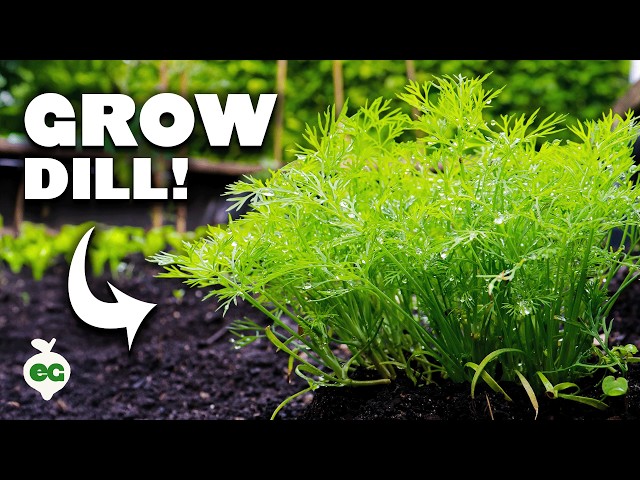
The Versatile Dill Plant: A Gardener’s Delight
Dill plants (Anethum graveolens) are a popular herb known for their delicate fern-like leaves and distinctive aroma. Native to the Mediterranean region, dill is a versatile plant that is prized for both its culinary and medicinal properties.
Culinary Uses of Dill
Dill is commonly used in cooking to add a fresh and tangy flavor to dishes. The feathery leaves of the dill plant are often used to flavor salads, soups, sauces, and pickles. Dill seeds are also used as a spice in various cuisines, adding a warm, slightly citrusy flavor to dishes.
Medicinal Benefits of Dill
Aside from its culinary uses, dill has been used for centuries in traditional medicine for its potential health benefits. Dill is believed to aid digestion, reduce bloating and gas, and relieve stomach cramps. It is also rich in antioxidants and may have anti-inflammatory properties.
Growing Dill in Your Garden
Dill plants are relatively easy to grow and can thrive in containers or garden beds with well-draining soil and plenty of sunlight. They require regular watering but are relatively low-maintenance once established. Dill plants can reach heights of up to three feet and produce delicate yellow flowers that attract beneficial pollinators.
Harvesting and Preserving Dill
You can harvest dill leaves as soon as the plant reaches about 8 inches in height by snipping off the outer leaves with scissors. To preserve dill for later use, you can dry the leaves or freeze them in ice cube trays with water or oil. Dill seeds can also be harvested once they turn brown and can be stored for future planting or use as a spice.
Conclusion
Whether you’re an avid gardener or a culinary enthusiast, dill plants are a must-have addition to your garden. With their delightful aroma, culinary versatility, and potential health benefits, dill plants offer a range of uses that make them a valuable asset in any garden.
Essential FAQs for Growing and Caring for Dill Plants
- What are the ideal growing conditions for dill plants?
- How often should I water my dill plants?
- When is the best time to plant dill seeds?
- How do I harvest dill leaves for culinary use?
- Can I grow dill in a container or does it need to be planted in the ground?
- Are there any common pests or diseases that affect dill plants?
- What are the medicinal benefits of consuming dill?
- How tall do dill plants typically grow?
- Is it possible to grow dill indoors?
What are the ideal growing conditions for dill plants?
Dill plants thrive in sunny locations with well-drained soil and moderate moisture levels. Ideally, dill should be planted in a spot that receives full sun for at least 6-8 hours a day. The soil should be rich in organic matter and have good drainage to prevent waterlogging, as dill plants are susceptible to root rot in overly wet conditions. It is recommended to sow dill seeds directly into the garden bed as they do not transplant well due to their delicate root systems. Regular watering is essential, especially during dry periods, but be careful not to overwater as dill prefers slightly dry conditions. With the right growing conditions, dill plants can flourish and provide a bountiful harvest of flavorful leaves and seeds for culinary use.
How often should I water my dill plants?
When it comes to watering dill plants, it is essential to strike a balance to ensure their optimal growth. Dill plants prefer consistently moist but well-draining soil, so it is recommended to water them regularly, especially during dry periods. A general guideline is to water dill plants deeply once or twice a week, allowing the soil to dry out slightly between waterings. Overwatering can lead to root rot, while underwatering can cause the dill plants to wilt and hinder their development. Observing the soil moisture level and adjusting the watering frequency based on environmental conditions can help maintain healthy and thriving dill plants in your garden.
When is the best time to plant dill seeds?
The best time to plant dill seeds is in the spring after the last frost date has passed. Dill thrives in warm weather and requires plenty of sunlight to grow successfully. Planting dill seeds directly into well-drained soil or containers with good drainage will help promote healthy growth. Ensure that the soil is moist but not waterlogged to encourage germination. With proper care and attention, dill seeds planted in the spring can yield a bountiful harvest of fresh dill leaves for culinary use throughout the growing season.
How do I harvest dill leaves for culinary use?
To harvest dill leaves for culinary use, wait until the dill plant reaches about 8 inches in height. Using a pair of scissors or garden shears, snip off the outer leaves of the plant, leaving the inner leaves to continue growing. Be sure to cut the leaves close to the stem to encourage new growth. Harvesting dill leaves regularly will promote a bushier plant and ensure a fresh and abundant supply of flavorful leaves for your culinary creations. Remember to wash the harvested dill leaves thoroughly before using them in your favorite dishes to enjoy their delicate flavor to the fullest.
Can I grow dill in a container or does it need to be planted in the ground?
Dill plants can be successfully grown in containers, making them a versatile option for gardeners with limited space or those looking to control their plant’s environment. When planting dill in a container, ensure that the pot has good drainage and is placed in a sunny location. Dill thrives in well-draining soil and requires regular watering to keep the soil moist but not waterlogged. By growing dill in a container, you can easily move it indoors during inclement weather or position it closer to your kitchen for convenient access to fresh herbs.
Are there any common pests or diseases that affect dill plants?
Dill plants are relatively resistant to pests and diseases, making them a low-maintenance herb to grow in your garden. However, like any plant, dill can still be susceptible to certain issues. Common pests that may affect dill plants include aphids, spider mites, and caterpillars. These pests can usually be controlled with insecticidal soap or by attracting beneficial insects that prey on them. As for diseases, dill plants may occasionally encounter issues such as powdery mildew or fungal infections if they are grown in humid conditions with poor air circulation. Proper spacing, adequate sunlight, and avoiding overhead watering can help prevent these problems and keep your dill plants healthy and thriving.
What are the medicinal benefits of consuming dill?
Dill is known for its various medicinal benefits when consumed. This herb has been traditionally used to aid digestion, alleviate bloating and gas, and relieve stomach cramps. Rich in antioxidants, dill may also possess anti-inflammatory properties that can support overall health and well-being. Incorporating dill into your diet not only adds a fresh and tangy flavor to dishes but also offers potential health benefits that have been valued for centuries in traditional medicine practices.
How tall do dill plants typically grow?
Dill plants typically grow to a height of about 2 to 3 feet tall. These herbaceous plants have delicate, feathery leaves that give them a light and airy appearance in the garden. Dill plants can reach their full height within a few weeks to a couple of months, depending on growing conditions and care. It’s important to provide adequate sunlight, well-draining soil, and regular watering to help dill plants thrive and reach their maximum height.
Is it possible to grow dill indoors?
Yes, it is possible to grow dill indoors! Dill plants can thrive in indoor environments as long as they receive sufficient sunlight, typically around 6-8 hours of direct sunlight per day. You can grow dill in a sunny window or under grow lights to ensure they get the light they need. Make sure to use well-draining soil and water the dill plant regularly, allowing the soil to dry out slightly between waterings. With proper care and attention, you can enjoy fresh dill leaves right from your indoor garden for use in culinary dishes or for its medicinal benefits.