
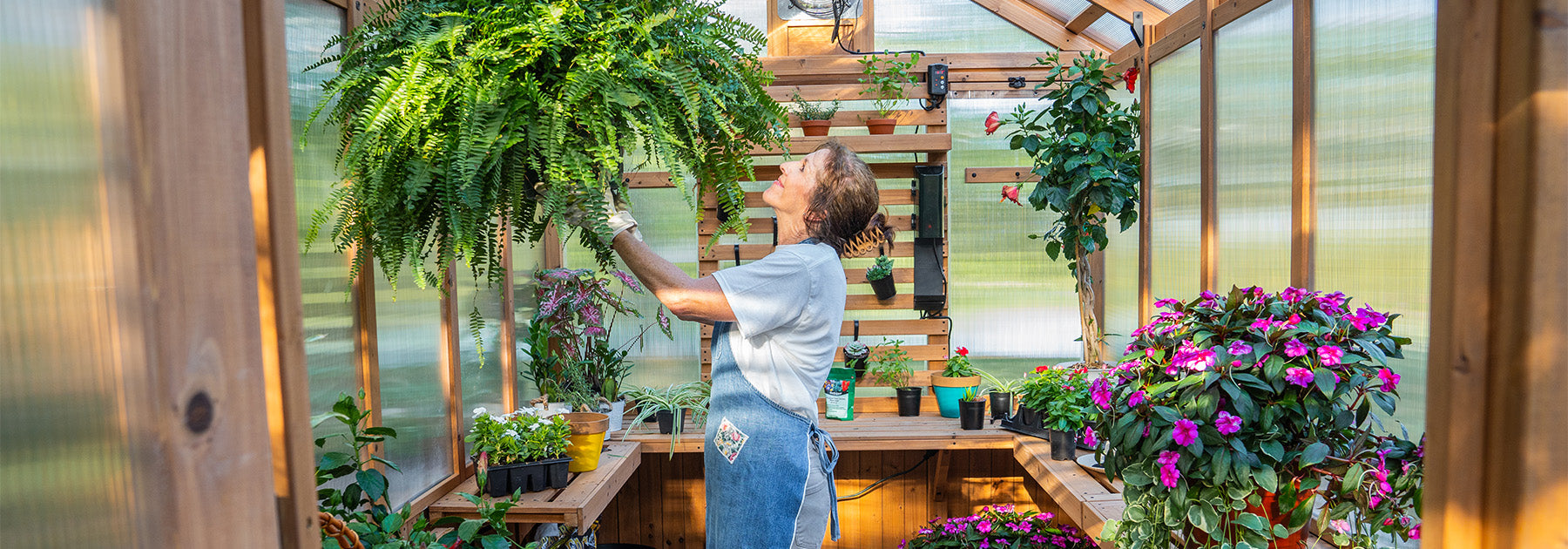
The Rise of Green Gardeners: Cultivating Sustainable Practices
In recent years, a growing number of individuals have embraced the role of green gardeners, committed to cultivating sustainable practices in their gardens and outdoor spaces. These eco-conscious gardeners prioritize environmental stewardship and seek to minimize their impact on the planet while creating beautiful and thriving landscapes.
Green gardeners employ a variety of sustainable techniques to promote biodiversity, conserve water, reduce waste, and support local ecosystems. From planting native species to practicing composting and using organic fertilizers, these gardeners are dedicated to nurturing their gardens in harmony with nature.
One key aspect of being a green gardener is water conservation. By utilizing rainwater harvesting systems, installing drip irrigation, and choosing drought-resistant plants, green gardeners can significantly reduce water usage in their landscapes. This not only helps conserve this precious resource but also promotes healthier plant growth by providing the right amount of moisture.
Another essential practice among green gardeners is soil health management. By incorporating organic matter into the soil, practicing no-till gardening techniques, and avoiding chemical pesticides and herbicides, these gardeners create a thriving ecosystem underground that supports plant growth and beneficial soil organisms.
Green gardeners also prioritize wildlife-friendly gardening practices by creating habitats for pollinators, birds, and other beneficial insects. By planting diverse species that provide food and shelter for wildlife, green gardeners help support local biodiversity and contribute to the overall health of the ecosystem.
Overall, the rise of green gardeners reflects a growing awareness of the importance of sustainable living practices in all aspects of life. By adopting eco-friendly gardening techniques and promoting environmental stewardship in their communities, green gardeners play a vital role in creating a more sustainable future for generations to come.
9 Essential FAQs About Green Gardening: Sustainable Practices and Eco-Friendly Tips
- What is a green gardener?
- Why is sustainable gardening important?
- What are some sustainable practices for green gardeners?
- How can green gardeners conserve water in their gardens?
- What are the benefits of planting native species in a garden?
- How can green gardeners attract pollinators and beneficial insects to their gardens?
- What are some eco-friendly alternatives to chemical pesticides and herbicides for green gardening?
- How can composting benefit a garden and reduce waste?
- What resources or organizations can help individuals become more knowledgeable about sustainable gardening practices?
What is a green gardener?
A green gardener is an environmentally conscious individual who practices sustainable gardening techniques to minimize their impact on the planet and promote biodiversity in their outdoor spaces. Green gardeners prioritize using organic methods, conserving water, supporting local ecosystems, and creating habitats for wildlife. By choosing native plants, composting organic matter, avoiding chemical pesticides, and implementing water-saving strategies, green gardeners strive to cultivate gardens that are not only beautiful but also beneficial to the environment.
Why is sustainable gardening important?
Sustainable gardening is important because it promotes environmental conservation, reduces the carbon footprint, and supports biodiversity. By implementing eco-friendly practices such as water conservation, organic gardening methods, and habitat creation for wildlife, sustainable gardening helps preserve natural resources, minimize pollution, and create healthy ecosystems. Additionally, sustainable gardening contributes to food security by encouraging the cultivation of nutritious produce in a way that is mindful of the planet’s health. Overall, sustainable gardening is crucial for fostering a harmonious relationship between humans and nature while working towards a more sustainable future for our planet.
What are some sustainable practices for green gardeners?
Green gardeners embrace a variety of sustainable practices to minimize their environmental impact and promote eco-friendly gardening. Some key sustainable practices for green gardeners include planting native species to support local biodiversity, conserving water through rainwater harvesting and drip irrigation systems, enriching soil health with organic matter and avoiding chemical pesticides, creating wildlife habitats to attract beneficial insects and pollinators, and practicing composting to reduce waste and nourish the soil. By incorporating these sustainable practices into their gardening routines, green gardeners contribute to a healthier ecosystem and demonstrate a commitment to environmental stewardship.
How can green gardeners conserve water in their gardens?
Green gardeners can conserve water in their gardens by implementing various sustainable practices. One effective method is to utilize rainwater harvesting systems to collect and store rainwater for later use in watering plants. Installing drip irrigation systems can also help deliver water directly to the roots of plants, minimizing evaporation and runoff. Choosing drought-resistant plant species that require less water and mulching around plants to retain soil moisture are additional strategies green gardeners can employ to reduce water consumption in their gardens. By incorporating these water-saving techniques into their gardening practices, green gardeners can promote sustainability and environmental stewardship while maintaining healthy and thriving landscapes.
What are the benefits of planting native species in a garden?
Planting native species in a garden offers a multitude of benefits for both the environment and gardeners alike. Native plants are well-suited to the local climate and soil conditions, requiring less water, fertilizer, and maintenance compared to non-native species. By choosing native plants, gardeners can create habitats that support local wildlife, including birds, bees, and butterflies. Native species also help preserve biodiversity by providing food and shelter for native insects and animals. Additionally, planting native species can help reduce the spread of invasive plants and contribute to a more resilient ecosystem overall.
How can green gardeners attract pollinators and beneficial insects to their gardens?
To attract pollinators and beneficial insects to their gardens, green gardeners can incorporate a variety of strategies. Planting a diverse selection of native flowers, herbs, and shrubs that provide nectar and pollen throughout the growing season is essential for attracting pollinators like bees, butterflies, and hummingbirds. Creating habitat areas with features such as rocks, logs, and water sources can offer shelter and nesting sites for beneficial insects like ladybugs and lacewings. Avoiding the use of chemical pesticides and herbicides helps maintain a healthy ecosystem that supports pollinators and beneficial insects. Additionally, allowing some areas of the garden to grow wild or incorporating flowering cover crops can provide additional food sources for these important garden allies. By implementing these practices, green gardeners can create a welcoming environment that supports pollinators and beneficial insects while promoting biodiversity in their gardens.
What are some eco-friendly alternatives to chemical pesticides and herbicides for green gardening?
When it comes to green gardening, there are several eco-friendly alternatives to chemical pesticides and herbicides that can help maintain a healthy garden while minimizing harm to the environment. One popular option is using natural predators like ladybugs or praying mantises to control pest populations. Additionally, introducing companion plants that repel pests or attract beneficial insects can help create a balanced ecosystem in the garden. Organic solutions such as neem oil, garlic spray, or insecticidal soap are effective at managing pests without the use of harmful chemicals. Mulching, hand-picking pests, and practicing good garden hygiene by removing debris and weeds can also help prevent pest infestations without resorting to synthetic pesticides and herbicides. By incorporating these eco-friendly alternatives into their gardening practices, green gardeners can promote a thriving garden ecosystem while protecting the environment.
How can composting benefit a garden and reduce waste?
Composting plays a crucial role in the practices of green gardeners by offering a multitude of benefits to both the garden and the environment. By composting organic waste materials such as kitchen scraps, yard trimmings, and leaves, gardeners can create nutrient-rich soil amendments that enhance soil structure, fertility, and microbial activity. This enriched compost provides essential nutrients for plants, improves moisture retention in the soil, and helps suppress plant diseases. Additionally, composting reduces waste sent to landfills, minimizing greenhouse gas emissions and contributing to a more sustainable gardening approach that aligns with the principles of environmental stewardship embraced by green gardeners.
What resources or organizations can help individuals become more knowledgeable about sustainable gardening practices?
For individuals looking to deepen their knowledge of sustainable gardening practices, there are various resources and organizations available to provide guidance and support. Local cooperative extension offices, such as the Rutgers New Jersey Agricultural Experiment Station Cooperative Extension, offer workshops, classes, and educational materials on sustainable gardening techniques. Non-profit organizations like the Master Gardener program provide volunteer opportunities and expert advice from experienced gardeners. Additionally, online resources such as gardening websites, forums, and publications offer a wealth of information on topics ranging from composting and water conservation to native plant selection and wildlife-friendly gardening practices. By tapping into these resources and organizations, individuals can gain valuable insights and skills to become more proficient green gardeners.