
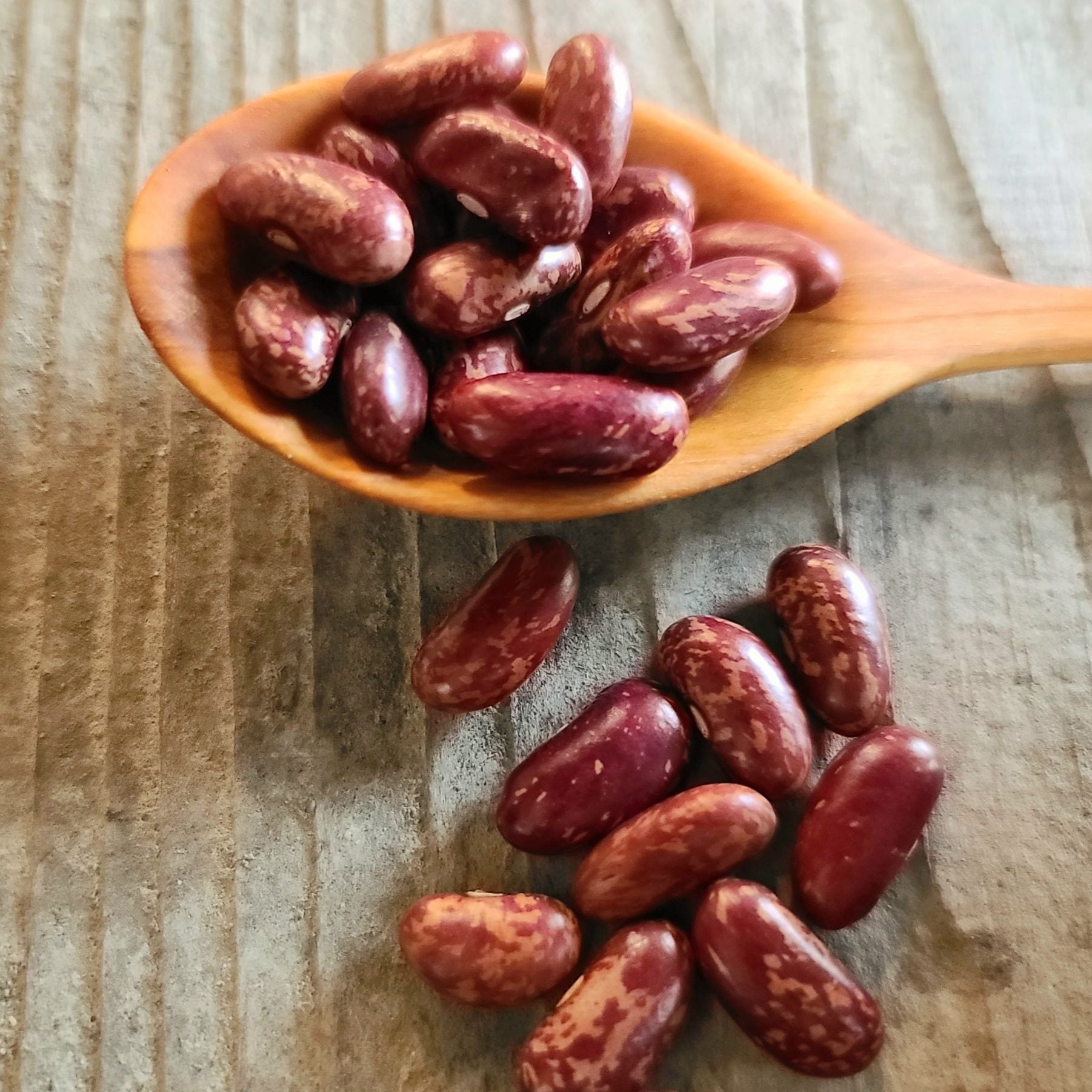
The Beauty of Bush Bean Seeds in Your Garden
When it comes to easy-to-grow vegetables that pack a nutritional punch, bush beans are a top choice for many gardeners. These versatile plants not only produce delicious and tender pods but also enrich the soil with nitrogen, making them a valuable addition to any garden.
Why Choose Bush Bean Seeds?
Bush beans, as the name suggests, grow in a compact bush-like form without the need for support structures. This makes them ideal for small gardens or containers where space is limited. With a relatively short growing season, bush beans are perfect for gardeners looking for a quick and abundant harvest.
Planting and Care Tips
Plant bush bean seeds directly in well-drained soil after the last frost date has passed. Sow the seeds about 1 inch deep and 2-3 inches apart in rows or clusters. Ensure they receive full sun and regular watering to promote healthy growth.
Harvesting Bush Beans
Bush beans are typically ready to harvest within 50-60 days after planting. Pick the pods when they are young and tender to enjoy their best flavor. Regular harvesting encourages the plant to produce more beans throughout the season.
Varieties of Bush Beans
There are numerous varieties of bush beans to choose from, including classic green beans, yellow wax beans, and purple podded beans. Experiment with different types to add color and variety to your garden and meals.
Health Benefits of Bush Beans
Bush beans are rich in fiber, vitamins A and C, folate, and minerals like iron and potassium. They are low in calories and fat while providing essential nutrients that support overall health.
In Conclusion
Whether you’re a seasoned gardener or just starting out, bush bean seeds are an excellent choice for a bountiful harvest that is both nutritious and delicious. With proper care and attention, you can enjoy fresh-picked bush beans straight from your garden all season long.
Top 5 Benefits of Growing Bush Bean Seeds: Ideal for Small Gardens, Quick Harvests, Soil Enrichment, and More
- Compact bush-like growth habit ideal for small gardens or containers
- Quick and abundant harvest with a relatively short growing season
- Enriches the soil with nitrogen, benefiting other plants in the garden
- Variety of colors and types available to add visual interest to your garden
- Nutrient-rich, low-calorie addition to a healthy diet
Challenges of Growing Bush Beans: Watering Needs, Pest Susceptibility, and More
- Bush beans require regular watering to thrive.
- They are susceptible to certain pests and diseases, such as aphids and bean rust.
- Bush beans have a relatively short harvest window compared to pole beans.
- Some varieties of bush beans may have a lower yield per plant than pole beans.
- Harvesting bush beans can be time-consuming due to the need for frequent picking of small pods.
- Bush bean plants can be sensitive to extreme heat or cold, affecting their growth and productivity.
Compact bush-like growth habit ideal for small gardens or containers
The compact bush-like growth habit of bush bean seeds makes them an excellent choice for small gardens or containers. With their space-saving design, these plants thrive in confined areas, allowing gardeners with limited space to enjoy a bountiful harvest of fresh and flavorful beans. Whether grown on a balcony, patio, or tiny backyard plot, bush bean seeds offer the convenience of easy cultivation and high productivity in a compact package.
Quick and abundant harvest with a relatively short growing season
One of the standout advantages of bush bean seeds is their ability to provide a quick and abundant harvest within a relatively short growing season. Unlike some other vegetables that require more time and effort to yield results, bush beans grow rapidly and produce a plentiful supply of tender pods in a matter of weeks. This makes them an excellent choice for gardeners looking to enjoy a bountiful harvest without having to wait for an extended period, making bush beans a rewarding and efficient addition to any garden.
Enriches the soil with nitrogen, benefiting other plants in the garden
One significant benefit of bush bean seeds is their ability to enrich the soil with nitrogen, a vital nutrient for plant growth. As bush beans are legumes, they have a symbiotic relationship with nitrogen-fixing bacteria in their root nodules, converting atmospheric nitrogen into a form that plants can readily absorb. This natural process not only improves the health and productivity of the bush beans themselves but also benefits neighboring plants in the garden by providing them with an enriched soil environment conducive to robust growth and development.
Variety of colors and types available to add visual interest to your garden
With a wide array of colors and types available, bush bean seeds offer a delightful opportunity to enhance the visual appeal of your garden. From vibrant green beans to striking yellow wax beans and even purple podded varieties, the diverse selection of bush beans adds a pop of color and texture to your garden beds. By incorporating different types of bush beans, you can create visually stunning patterns and arrangements that not only please the eye but also provide a unique and attractive element to your outdoor space.
Nutrient-rich, low-calorie addition to a healthy diet
Bush bean seeds are a nutrient-rich and low-calorie addition to a healthy diet. Packed with essential vitamins, minerals, and fiber, bush beans offer a nutritious boost without adding excess calories or fat to your meals. Incorporating these wholesome legumes into your diet not only provides vital nutrients like vitamin A, vitamin C, folate, iron, and potassium but also supports weight management and overall well-being. Whether enjoyed fresh from the garden or added to salads, soups, or stir-fries, bush bean seeds are a delicious and healthful choice for enhancing your daily nutrition.
Bush beans require regular watering to thrive.
One potential drawback of growing bush bean seeds is their requirement for consistent watering to thrive. Bush beans are sensitive to dry conditions and may suffer from stunted growth or poor pod development if they do not receive an adequate amount of water. This demand for regular watering can be a challenge for gardeners in arid climates or those with limited access to water resources, requiring careful monitoring and irrigation practices to ensure the plants remain healthy and productive throughout the growing season.
They are susceptible to certain pests and diseases, such as aphids and bean rust.
Bush bean seeds, while easy to grow and productive, do have their drawbacks. One significant con is their susceptibility to pests and diseases, such as aphids and bean rust. Aphids can quickly infest bush bean plants, sucking sap from the leaves and causing damage. Additionally, bean rust, a fungal disease, can affect the foliage of the plants, leading to reduced yield and overall plant health. Careful monitoring and proactive pest management strategies are essential to protect bush bean crops from these common threats.
Bush beans have a relatively short harvest window compared to pole beans.
One downside of bush bean seeds is their relatively short harvest window compared to pole beans. While bush beans offer the advantage of compact growth and easy harvesting, they tend to produce a concentrated yield over a shorter period. This means that gardeners may need to plan their planting schedule more carefully to ensure a continuous supply of fresh beans throughout the season. In contrast, pole beans can provide a more extended harvest window, allowing for a more staggered and prolonged picking period.
Some varieties of bush beans may have a lower yield per plant than pole beans.
While bush beans have many advantages, it’s important to note that some varieties may have a lower yield per plant compared to pole beans. This means that if maximizing your harvest is a top priority, you may want to consider planting pole beans instead. Pole beans have the advantage of growing vertically, allowing them to produce more beans in a smaller space. However, with proper planning and spacing, you can still enjoy a plentiful harvest of bush beans while appreciating their compact growth habit and ease of cultivation.
Harvesting bush beans can be time-consuming due to the need for frequent picking of small pods.
One challenge associated with bush bean seeds is the time-consuming nature of harvesting. Due to the continuous production of small pods throughout the growing season, gardeners need to frequently pick the beans to ensure they are young and tender. This repetitive task can be labor-intensive and require consistent attention to prevent overripening. Despite the effort required, the reward of fresh and flavorful bush beans straight from the garden makes the extra time and care worthwhile for many dedicated growers.
Bush bean plants can be sensitive to extreme heat or cold, affecting their growth and productivity.
Bush bean plants can be sensitive to extreme temperatures, both hot and cold, which can impact their growth and productivity. High temperatures can cause stress to the plants, leading to reduced flowering and pod development. On the other hand, exposure to frost or cold snaps can damage the tender seedlings or young plants, hindering their ability to thrive. It is important for gardeners to monitor weather conditions and provide appropriate protection or care during temperature extremes to ensure the success of their bush bean crop.