
New Jersey Flag: Symbolizing History and Pride
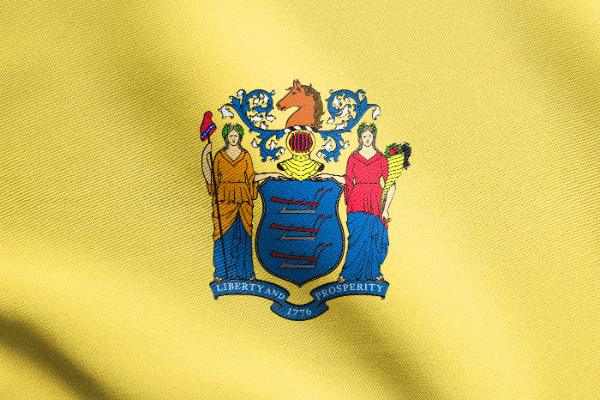
The flag of New Jersey is a powerful symbol that represents the rich history and pride of the Garden State. Adopted in 1896, the flag features a deep yellow background with the state’s coat of arms in the center.
The coat of arms includes symbols that reflect New Jersey’s diverse heritage and significance. The shield is adorned with three plows, representing agriculture, which has been a vital part of the state’s economy. Above the shield is a horse’s head symbolizing speed and strength, qualities associated with New Jersey.
Surrounding the shield are two women representing the goddesses of Liberty and Agriculture. Liberty holds a staff with a liberty cap on top, while Agriculture carries a cornucopia filled with fruits and vegetables, symbolizing abundance and prosperity.
Below the shield is a banner with the state motto “Liberty and Prosperity” inscribed on it. This motto encapsulates New Jersey’s commitment to freedom and success for its residents.
Overall, the design of the New Jersey flag is steeped in symbolism that honors the state’s past while looking towards its future. It serves as a reminder of New Jersey’s unique identity and values, uniting its residents under one proud emblem.
Exploring the Symbols and Significance of the New Jersey State Flag: 9 Key Insights
- The New Jersey flag features the state coat of arms on a buff background.
- The colors on the flag are buff and dark blue, representing colonial times.
- The horse’s head on the flag symbolizes speed and strength.
- The helmet above the shield signifies sovereignty.
- There are two female figures on the flag, one representing liberty and the other agriculture.
- Nine plows on the shield represent New Jersey’s agricultural tradition.
- The date ‘1776’ on a banner below the shield marks New Jersey’s independence declaration.
- ‘Liberty and Prosperity’ is written in a banner above the shield as part of the state motto.
- ‘New Jersey’ is written in a semicircular arc at the top of the flag.
The New Jersey flag features the state coat of arms on a buff background.
The New Jersey flag proudly displays the state coat of arms on a distinctive buff background. This design choice reflects the historical significance and unique identity of the Garden State. The coat of arms itself symbolizes various aspects of New Jersey’s heritage, including its agricultural roots and values of liberty and prosperity. The combination of the coat of arms on a buff background creates a visually striking flag that embodies the pride and history of New Jersey.
The colors on the flag are buff and dark blue, representing colonial times.
The colors on the New Jersey flag, buff and dark blue, hold historical significance as they represent colonial times. The choice of buff, a light yellowish-tan color, and dark blue reflects the colors commonly used in uniforms during the American Revolutionary War era. By incorporating these colors into the flag’s design, New Jersey pays homage to its colonial heritage and the pivotal role it played in shaping American history.
The horse’s head on the flag symbolizes speed and strength.
The horse’s head featured on the New Jersey flag serves as a powerful symbol representing speed and strength. This imagery embodies the state’s dynamic and resilient nature, reflecting qualities that have long been associated with New Jersey. The inclusion of the horse’s head in the flag’s design adds depth to its symbolism, highlighting the importance of vigor and fortitude in the state’s history and identity.
The helmet above the shield signifies sovereignty.
The helmet positioned above the shield on the New Jersey flag holds significant meaning, symbolizing sovereignty. This emblematic feature represents the state’s authority and independence, highlighting New Jersey’s status as a self-governing entity. The inclusion of the helmet in the flag’s design reinforces the idea of strength and autonomy, underscoring the state’s historical journey towards self-rule and self-determination.
There are two female figures on the flag, one representing liberty and the other agriculture.
On the New Jersey flag, two female figures play a significant role in its symbolism. One of these figures represents liberty, embodying the ideals of freedom and independence that are fundamental to the state’s identity. The other figure symbolizes agriculture, highlighting the importance of farming and abundance in New Jersey’s history and economy. Together, these representations reflect the diverse heritage and values of the Garden State, underscoring themes of freedom, prosperity, and unity.
Nine plows on the shield represent New Jersey’s agricultural tradition.
The presence of nine plows on the shield of the New Jersey flag serves as a powerful symbol of the state’s deep-rooted agricultural tradition. Each plow represents the importance of farming and cultivation in New Jersey’s history and economy. This imagery not only pays homage to the farmers who have worked the land for generations but also highlights the significance of agriculture in shaping the identity and prosperity of the Garden State.
The date ‘1776’ on a banner below the shield marks New Jersey’s independence declaration.
The inclusion of the date ‘1776’ on a banner below the shield of the New Jersey flag holds significant historical importance, as it commemorates the state’s declaration of independence. This date serves as a reminder of New Jersey’s pivotal role in the founding of the United States and its unwavering commitment to liberty and self-governance. By prominently displaying ‘1776’ on its flag, New Jersey pays tribute to the brave individuals who fought for freedom and laid the groundwork for the state’s enduring legacy of independence and prosperity.
‘Liberty and Prosperity’ is written in a banner above the shield as part of the state motto.
The phrase “Liberty and Prosperity” holds deep significance as it is prominently displayed in a banner above the shield on the New Jersey flag, serving as a fundamental part of the state motto. This powerful motto encapsulates the core values and aspirations of New Jersey, emphasizing the importance of freedom and success for all its residents. It symbolizes the state’s commitment to upholding individual liberties while striving for prosperity and well-being for its people. The inclusion of this motto on the flag reinforces New Jersey’s identity as a place that values both personal freedoms and collective advancement, embodying a spirit of hope and opportunity for all who call it home.
‘New Jersey’ is written in a semicircular arc at the top of the flag.
At the top of the New Jersey flag, the inscription ‘New Jersey’ is elegantly displayed in a semicircular arc. This placement adds a distinctive touch to the flag’s overall design, emphasizing the state’s name and further enhancing its visual appeal. The curved arrangement of the text complements the other elements on the flag, contributing to a harmonious and balanced composition that captures attention and reinforces a sense of state pride and identity.