
Arrowwood Viburnum: A Versatile and Beautiful Shrub for Your Garden
Arrowwood viburnum, scientifically known as Viburnum dentatum, is a popular deciduous shrub prized for its versatility and beauty in landscaping. Native to North America, this hardy plant is a favorite among gardeners for its attractive foliage, showy flowers, and vibrant berries.
One of the key features of arrowwood viburnum is its glossy dark green leaves that turn a beautiful reddish-purple in the fall, adding a splash of color to your garden. In late spring to early summer, this shrub produces clusters of creamy white flowers that attract pollinators such as bees and butterflies.
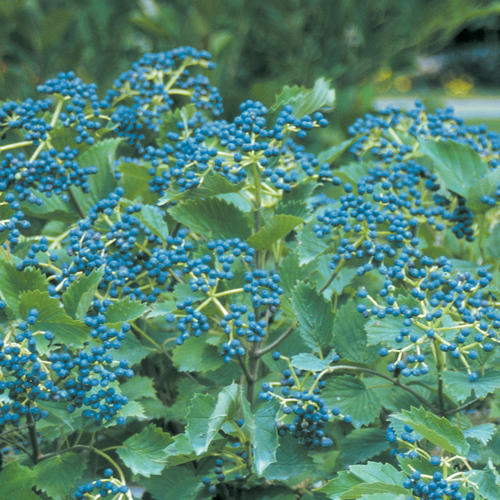
As summer turns to fall, arrowwood viburnum develops clusters of blue-black berries that not only add visual interest but also provide food for birds during the colder months. This makes it a valuable plant for supporting local wildlife in your garden.
Arrowwood viburnum is easy to grow and maintain, thriving in various soil types and light conditions. It can be planted as a specimen shrub, used in hedges or screens, or incorporated into mixed borders for added texture and interest.
Whether you are looking to attract wildlife, add seasonal interest to your garden, or create a low-maintenance landscape design, arrowwood viburnum is an excellent choice. Consider adding this versatile and beautiful shrub to your garden today!
5 Essential Tips for Growing Healthy Arrowwood Viburnum
- Plant arrowwood viburnum in well-draining soil with full to partial sun exposure.
- Water regularly, especially during the first growing season to help establish a strong root system.
- Prune arrowwood viburnum after flowering to maintain its shape and promote new growth.
- Mulch around the base of the plant to retain moisture and suppress weeds.
- Monitor for common pests like aphids or scale insects and treat promptly if detected.
Plant arrowwood viburnum in well-draining soil with full to partial sun exposure.
For optimal growth and health, it is recommended to plant arrowwood viburnum in well-draining soil and provide it with full to partial sun exposure. This versatile shrub thrives in these conditions, allowing it to develop its glossy foliage, abundant flowers, and colorful berries. By ensuring proper soil drainage and adequate sunlight, you can promote the growth and overall beauty of your arrowwood viburnum plant, creating a vibrant addition to your garden landscape.
Water regularly, especially during the first growing season to help establish a strong root system.
To ensure the healthy growth and establishment of your arrowwood viburnum shrub, it is essential to water it regularly, particularly during the initial growing season. Adequate watering is crucial for helping the plant develop a strong and robust root system, which will support its overall health and vitality. By providing consistent moisture during this critical period, you are giving your arrowwood viburnum the best chance to thrive and flourish in your garden for years to come.
Prune arrowwood viburnum after flowering to maintain its shape and promote new growth.
To ensure the health and beauty of your arrowwood viburnum shrub, it is recommended to prune it after flowering. This timing allows you to maintain its desired shape and size while also encouraging new growth for the upcoming season. By removing any dead or overgrown branches, you can help the plant allocate its resources more efficiently, resulting in a healthier and more vibrant shrub. Proper pruning techniques will not only enhance the aesthetic appeal of your arrowwood viburnum but also contribute to its overall well-being.
Mulch around the base of the plant to retain moisture and suppress weeds.
To ensure optimal growth and health of your arrowwood viburnum, it is recommended to apply a layer of mulch around the base of the plant. Mulching serves as a protective barrier that helps retain moisture in the soil, keeping the roots hydrated and healthy. Additionally, mulch helps suppress weed growth around the shrub, reducing competition for nutrients and minimizing maintenance efforts. By mulching around your arrowwood viburnum, you can create a conducive environment for its growth while also enhancing the overall aesthetics of your garden.
Monitor for common pests like aphids or scale insects and treat promptly if detected.
To ensure the health and vitality of your arrowwood viburnum shrub, it is important to monitor for common pests such as aphids or scale insects regularly. These pests can damage the foliage and hinder the plant’s growth if left unchecked. By inspecting your shrub regularly and treating promptly upon detection of any pest infestation, you can help maintain the beauty and vigor of your arrowwood viburnum for years to come.