
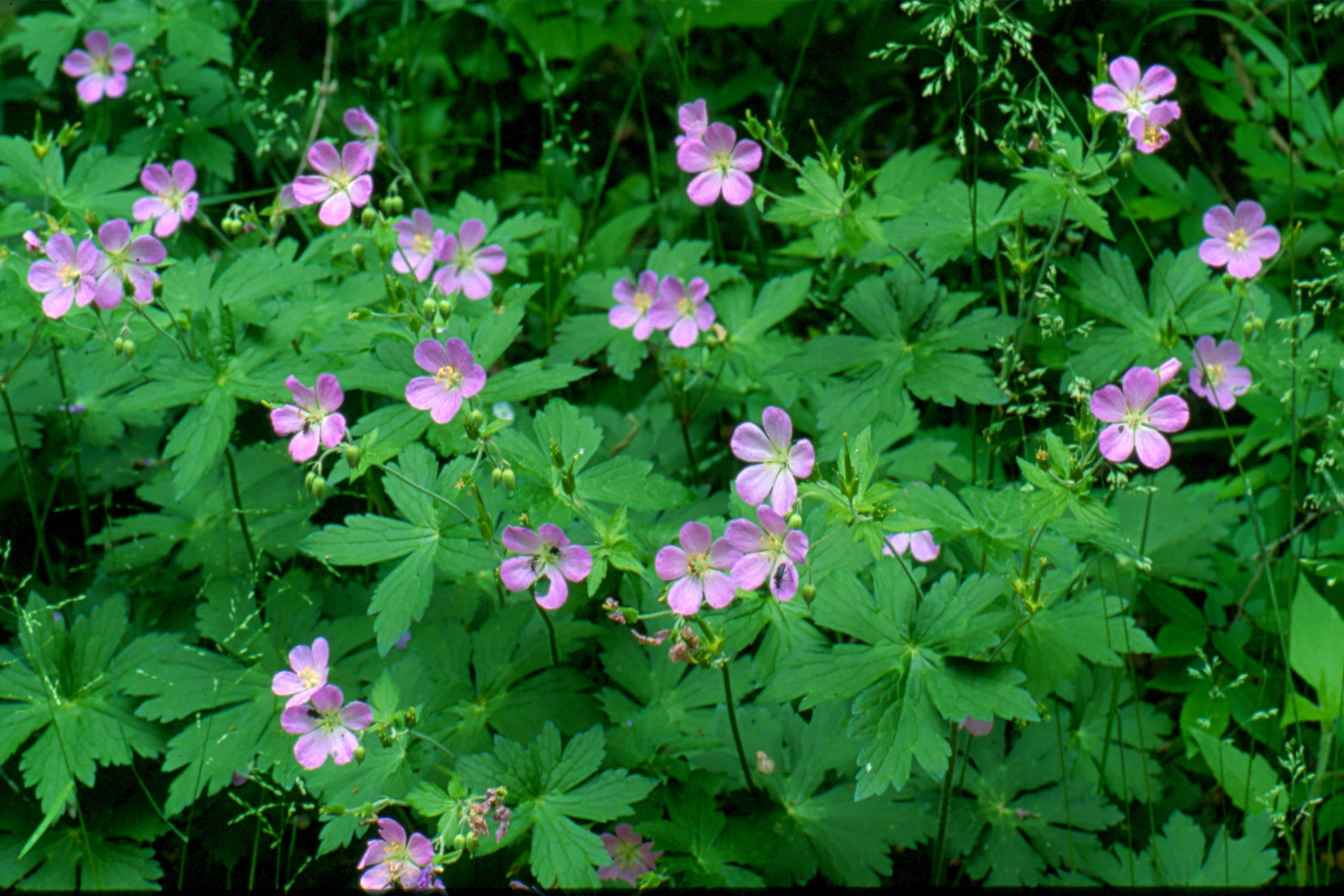
The Beauty of Wild Geraniums
Wild geraniums, also known as Geranium maculatum, are charming perennial plants that grace woodlands and gardens with their delicate blooms. These native wildflowers are a favorite among gardeners for their attractive foliage and lovely flowers.
Wild geraniums typically grow in moist, shady areas, producing clusters of five-petaled flowers in shades of pink, purple, or white. Their deeply lobed leaves add to their visual appeal, turning vibrant shades of red in the fall.
One of the key features of wild geraniums is their ability to attract pollinators such as bees and butterflies. The nectar-rich flowers provide a valuable food source for these beneficial insects, contributing to the overall health of the ecosystem.
In addition to their ornamental value, wild geraniums have been used for their medicinal properties by Native American tribes. The roots were traditionally used to treat various ailments, including diarrhea and toothaches.
Cultivating wild geraniums in your garden is relatively easy, as they are low-maintenance plants that thrive in well-drained soil and partial shade. They can be propagated through division or seeds, allowing you to expand your wild geranium collection over time.
Whether you choose to admire them in their natural habitat or incorporate them into your garden landscape, wild geraniums are sure to add a touch of elegance and charm wherever they bloom.
Understanding Wild Geraniums: Common Questions and Answers
- Do wild geraniums come back every year?
- Is wild geranium a ground cover?
- Do wild geraniums like sun or shade?
- Does wild geranium spread?
- How do you identify a wild geranium?
- What is wild geranium good for?
- Does wild geranium like shade?
- What is wild geranium used for?
Do wild geraniums come back every year?
Wild geraniums, also known as Geranium maculatum, are perennial plants that typically come back every year. As long as they are planted in suitable conditions and provided with proper care, wild geraniums will return annually, delighting gardeners with their charming blooms and vibrant foliage. These hardy plants can thrive in various environments, making them a popular choice for gardeners looking to add color and beauty to their outdoor spaces year after year.
Is wild geranium a ground cover?
Wild geranium, also known as Geranium maculatum, is often used as a ground cover in gardens and natural landscapes. With its spreading growth habit and attractive foliage, wild geranium can effectively fill in bare spots and create a lush carpet of greenery. Its delicate flowers add a pop of color to the ground cover, making it a versatile choice for adding visual interest to shaded areas. Additionally, wild geranium’s ability to attract pollinators and its low-maintenance nature further enhance its appeal as a ground cover option for both experienced and novice gardeners alike.
Do wild geraniums like sun or shade?
Wild geraniums prefer to grow in partial shade to full shade. While they can tolerate some sunlight, especially in cooler climates, they thrive best in locations with dappled sunlight or filtered shade. Planting wild geraniums in areas that receive morning sun and afternoon shade is ideal for promoting healthy growth and abundant flowering. Providing the right balance of light conditions will help ensure that wild geraniums flourish and display their charming blooms to their fullest potential.
Does wild geranium spread?
Wild geranium, also known as Geranium maculatum, is a plant that can spread through self-seeding and rhizomatous growth. While it is not considered invasive, wild geraniums can gradually form clumps and expand their presence in suitable growing conditions. Gardeners may need to monitor the spread of wild geraniums and manage their growth if desired to prevent overcrowding in garden beds. Proper spacing and occasional division of the plants can help control their spread while still enjoying their beauty and benefits in the garden.
How do you identify a wild geranium?
To identify a wild geranium, look for its distinctive features such as deeply lobed leaves and clusters of five-petaled flowers in shades of pink, purple, or white. Wild geraniums typically grow in moist, shady areas and their leaves turn vibrant shades of red in the fall. Pay attention to the overall growth habit of the plant, as well as its habitat, to confirm that you have encountered a wild geranium. Consulting a field guide or seeking guidance from experienced gardeners can also help in accurately identifying these charming perennial plants.
What is wild geranium good for?
Wild geranium, scientifically known as Geranium maculatum, serves various purposes beyond its ornamental beauty. In addition to attracting pollinators like bees and butterflies with its nectar-rich flowers, wild geranium has been historically utilized for its medicinal properties. Native American tribes traditionally used the roots of wild geranium to address a range of health issues, including diarrhea and toothaches. This versatile plant’s historical medicinal uses highlight its value not just as a garden adornment but also as a natural resource with potential health benefits.
Does wild geranium like shade?
Wild geranium, also known as Geranium maculatum, thrives in shady areas. In fact, wild geraniums prefer to grow in moist, partially shaded locations, making them an excellent choice for woodland gardens or areas with dappled sunlight. The plant’s ability to flourish in shade makes it a versatile option for gardeners looking to add color and beauty to areas with limited direct sunlight. Whether planted under the canopy of trees or in a shaded corner of the garden, wild geraniums will reward you with their charming blooms and attractive foliage.
What is wild geranium used for?
Wild geranium, scientifically known as Geranium maculatum, has been traditionally used for its medicinal properties. The roots of wild geranium have been utilized by Native American tribes to treat various ailments such as diarrhea and toothaches. Additionally, wild geranium is valued for its ability to attract pollinators like bees and butterflies with its nectar-rich flowers, contributing to the health of the ecosystem. In modern times, while not as commonly used for medicinal purposes, wild geranium remains a popular choice among gardeners for its ornamental value and ability to thrive in woodland settings and gardens.