
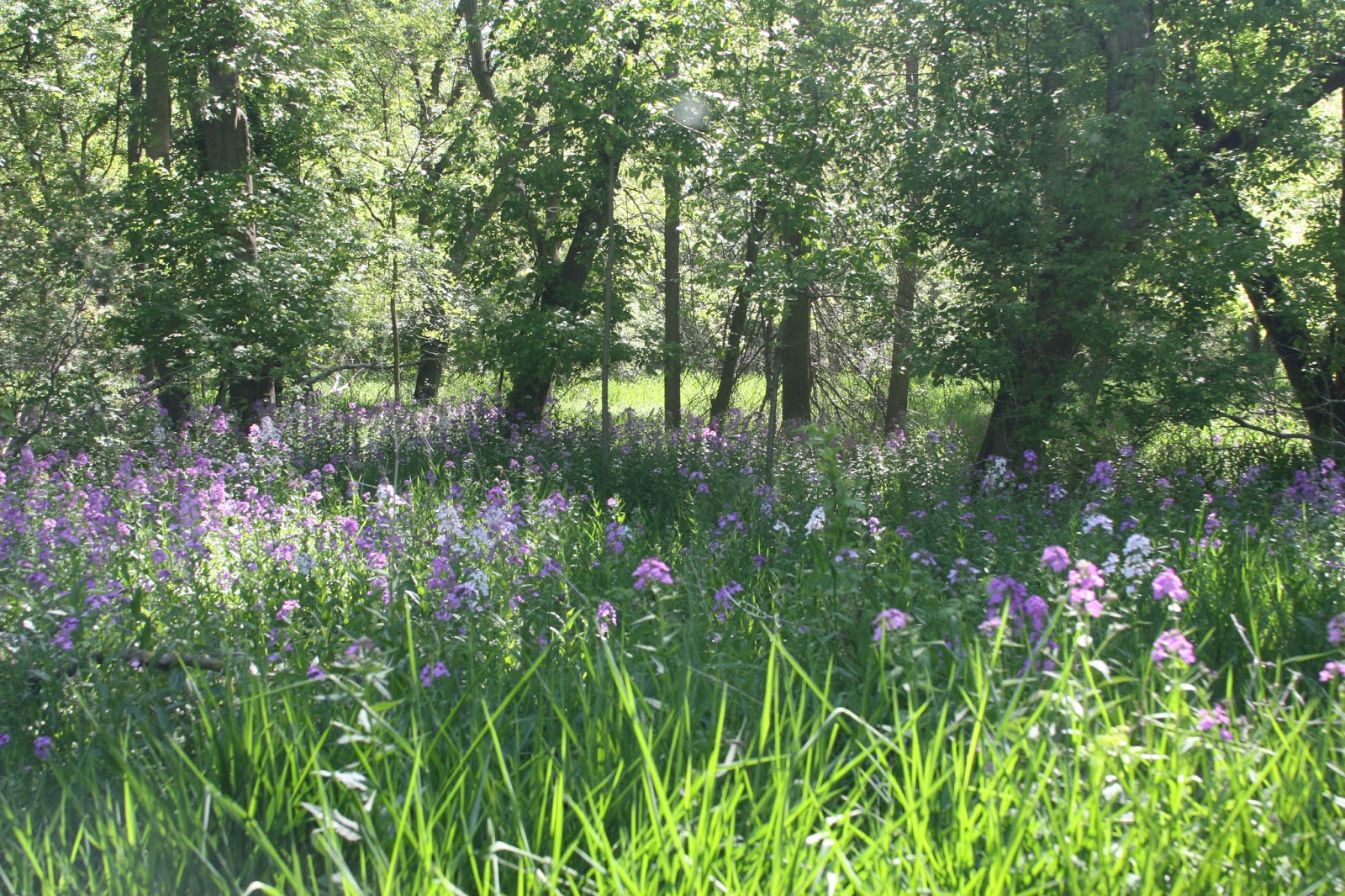
The Beauty of Wild Phlox: A Delightful Addition to Any Garden
Wild phlox, also known as Phlox divaricata, is a charming and versatile perennial plant that can bring a burst of color and beauty to any garden. With its delicate clusters of fragrant flowers and vibrant hues, wild phlox is a favorite among gardeners looking to add a touch of natural elegance to their outdoor spaces.
One of the standout features of wild phlox is its stunning flowers, which come in shades of pink, purple, blue, and white. These five-petaled blooms form dense clusters atop slender stems, creating a striking display that attracts butterflies, bees, and other pollinators to the garden.
Wild phlox thrives in partial shade to full sun and prefers moist, well-drained soil. It is relatively low-maintenance and can tolerate a variety of growing conditions, making it an excellent choice for both beginner and experienced gardeners.
Whether planted along borders, in rock gardens, or as ground cover, wild phlox adds a touch of natural beauty and charm to any landscape. Its graceful habit and prolific blooms make it a versatile plant that can be used in various garden settings.
In addition to its aesthetic appeal, wild phlox also plays a vital role in supporting local ecosystems. As a native plant species, it provides food and habitat for wildlife while contributing to the overall biodiversity of the area.
Overall, wild phlox is a delightful addition to any garden due to its beauty, versatility, and ecological benefits. Consider adding this enchanting plant to your outdoor space for a touch of natural elegance that will be enjoyed for years to come.
Wild Phlox FAQ: Care Tips, Planting Time, Sunlight Needs, Varieties, and Pest Management
- How do I care for wild phlox?
- When is the best time to plant wild phlox?
- What are the common pests and diseases that affect wild phlox?
- Can wild phlox grow in full sun or does it prefer shade?
- Are there different varieties of wild phlox available for planting?
How do I care for wild phlox?
Caring for wild phlox is relatively simple and rewarding. To ensure the health and vibrancy of your wild phlox plants, it is important to plant them in well-drained soil with partial shade to full sun exposure. Regular watering, especially during dry periods, will help maintain soil moisture levels and promote healthy growth. Deadheading spent blooms can encourage continuous flowering throughout the growing season. Additionally, a light application of organic fertilizer in early spring can provide the necessary nutrients for optimal growth. By following these basic care guidelines, you can enjoy the beauty of wild phlox in your garden year after year.
When is the best time to plant wild phlox?
The best time to plant wild phlox is in the early spring or fall when the weather is cooler and more conducive to plant establishment. Planting in these seasons allows the roots of the wild phlox to establish themselves before the heat of summer or harsh winter conditions set in. This timing gives the plant the best chance to thrive and produce abundant blooms in the following growing season. Remember to choose a location with well-drained soil and partial shade to full sun for optimal growth of wild phlox.
What are the common pests and diseases that affect wild phlox?
Common pests and diseases that may affect wild phlox include powdery mildew, spider mites, and slugs. Powdery mildew is a fungal disease that can cause a white powdery coating on the leaves of the plant, affecting its overall health and appearance. Spider mites are tiny pests that feed on plant sap, leading to yellowing leaves and stunted growth. Slugs are another common pest that may target wild phlox, leaving behind holes in the foliage. Proper garden hygiene, adequate air circulation, and regular inspection can help prevent and manage these issues to ensure the health and vitality of wild phlox in the garden.
Can wild phlox grow in full sun or does it prefer shade?
Wild phlox, also known as Phlox divaricata, is a versatile plant that can thrive in a variety of conditions. While it prefers partial shade to full shade, wild phlox can also grow successfully in full sun, especially in cooler climates or with adequate moisture. In hotter regions, providing some afternoon shade can help protect the plant from excessive heat and prevent wilting. Overall, wild phlox is adaptable and resilient, making it a great choice for gardeners looking to add a pop of color and beauty to their outdoor spaces, whether in sunny or shaded areas.
Are there different varieties of wild phlox available for planting?
Yes, there are several different varieties of wild phlox available for planting, each with its own unique characteristics and features. Some popular varieties include Phlox divaricata ‘Blue Moon’, known for its striking blue flowers; Phlox divaricata ‘May Breeze’, which produces delicate white blooms; and Phlox divaricata ‘London Grove Blue’, prized for its vibrant purple flowers. These varieties offer a range of colors and growth habits, allowing gardeners to choose the perfect wild phlox variety to suit their preferences and garden design.