
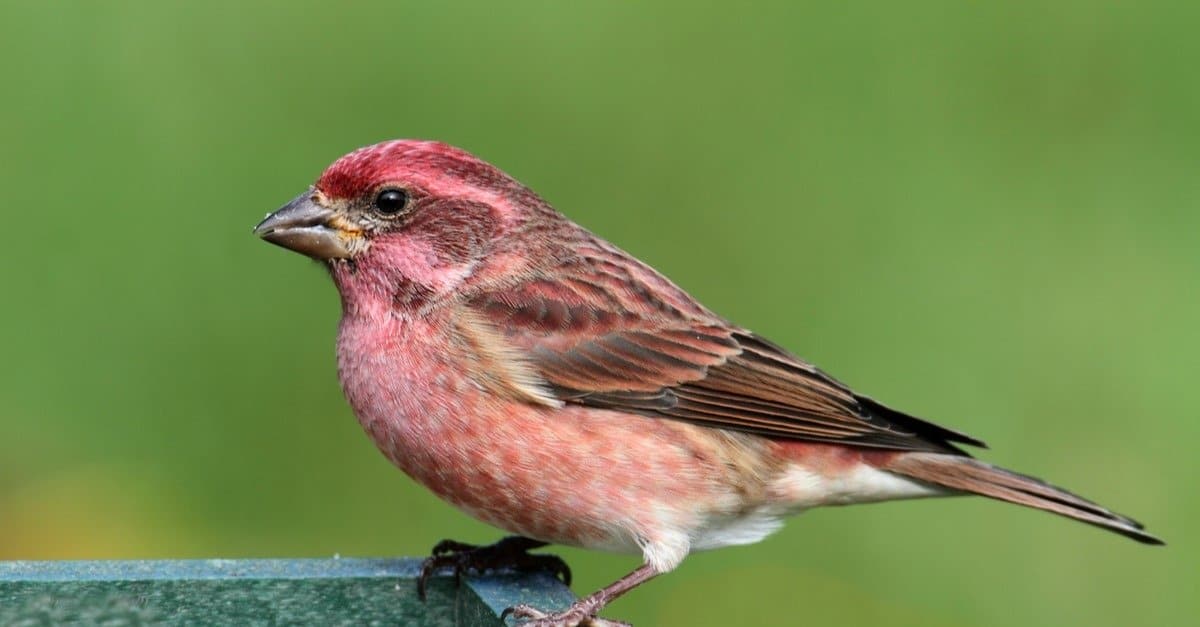
The Fascinating World of Wild Birds
Wild birds are a diverse and captivating group of creatures that grace our skies and landscapes with their beauty and unique behaviors. From the majestic bald eagle soaring high above to the tiny hummingbird flitting among flowers, each species has its own special characteristics that make them a wonder to observe.
One of the most remarkable aspects of wild birds is their incredible diversity. With over 10,000 different species found all over the world, birds come in all shapes, sizes, and colors. Some have elaborate plumage designed for courtship displays, while others have specialized beaks adapted for different types of food sources.
Wild birds play vital roles in ecosystems as pollinators, seed dispersers, and predators of insects. They help maintain the balance of nature and contribute to the health of our environment. By attracting wild birds to our gardens with feeders and bird-friendly plants, we can create thriving habitats that benefit both wildlife and ourselves.
Observing wild birds can also provide insight into their fascinating behaviors. From complex mating rituals to intricate nest-building techniques, each species has its own unique way of interacting with its environment and other birds. Birdwatching is a popular hobby that allows enthusiasts to appreciate these natural wonders up close.
Unfortunately, wild bird populations face numerous threats such as habitat loss, pollution, climate change, and collisions with man-made structures. Conservation efforts are crucial to protect these beloved creatures for future generations to enjoy. By supporting initiatives that preserve natural habitats and promote sustainable practices, we can help ensure a bright future for wild birds.
In conclusion, wild birds are not just beautiful creatures but essential components of our ecosystems. Their presence enriches our lives in countless ways and reminds us of the importance of preserving biodiversity in our world. Let us cherish and protect these feathered marvels so that they may continue to inspire awe and wonder for years to come.
7 Essential Tips for Attracting and Caring for Wild Birds in Your Backyard
- Provide fresh water for drinking and bathing.
- Offer a variety of bird feeders to attract different species.
- Place feeders in safe locations away from predators.
- Keep feeders clean to prevent the spread of disease.
- Plant native flowers and shrubs to provide natural food sources.
- Avoid using pesticides in your yard to protect birds and their food sources.
- Install birdhouses or nesting boxes for shelter and breeding.
Provide fresh water for drinking and bathing.
Providing fresh water for drinking and bathing is a crucial tip for attracting and supporting wild birds in your backyard. Birds need clean water not only to stay hydrated but also to maintain their plumage for insulation and flight. By offering a birdbath or shallow container of water, you can create a welcoming oasis for birds to refresh themselves and engage in important grooming behaviors. Remember to change the water regularly to ensure it stays clean and free of debris, helping to promote the health and well-being of your feathered visitors.
Offer a variety of bird feeders to attract different species.
To attract a diverse range of wild bird species to your garden, consider offering a variety of bird feeders. Different species have unique feeding preferences, so having a selection of feeders with various designs and food options can help cater to a wider array of birds. For example, tube feeders are great for attracting small songbirds like finches and chickadees, while platform feeders are ideal for larger birds such as cardinals and jays. By providing different types of bird feeders, you can create an inviting environment that appeals to a variety of wild birds and enhances your birdwatching experience.
Place feeders in safe locations away from predators.
To ensure the safety and well-being of wild birds, it is important to place feeders in secure locations away from potential predators. By positioning feeders in areas that are not easily accessible to cats, squirrels, or other predators, we can create a safer environment for birds to feed and rest without fear of harm. This simple precaution can help protect our feathered friends and encourage them to visit our feeders regularly, providing us with the joy of observing these beautiful creatures up close.
Keep feeders clean to prevent the spread of disease.
To ensure the health and well-being of wild birds, it is essential to keep feeders clean to prevent the spread of disease. Dirty feeders can harbor harmful bacteria and fungi that can be transmitted to visiting birds, potentially leading to illness or even death. Regularly cleaning and disinfecting feeders with a mild bleach solution and allowing them to dry completely before refilling them can help maintain a safe feeding environment for our feathered friends. By practicing good hygiene habits when caring for bird feeders, we can help protect wild birds and promote their overall welfare.
Plant native flowers and shrubs to provide natural food sources.
Planting native flowers and shrubs is a great way to attract and support wild birds by providing them with natural food sources. Native plants are well-suited to the local environment and offer fruits, seeds, nectar, and insects that birds rely on for nourishment. By incorporating these plants into your garden, you can create a sustainable habitat that not only enhances the beauty of your outdoor space but also helps to sustain bird populations in your area. Consider selecting a variety of native species that bloom at different times of the year to ensure a continuous supply of food for your feathered visitors.
Avoid using pesticides in your yard to protect birds and their food sources.
To protect wild birds and their food sources, it is important to avoid using pesticides in your yard. Pesticides can be harmful to birds directly through ingestion or indirectly by contaminating their food sources. By opting for natural and organic gardening methods, you can create a safe environment for birds to thrive without the risk of exposure to toxic chemicals. Supporting a pesticide-free yard not only benefits the health of wild birds but also contributes to a more sustainable and eco-friendly ecosystem in your own backyard.
Install birdhouses or nesting boxes for shelter and breeding.
Installing birdhouses or nesting boxes in your yard is a great way to provide shelter and breeding opportunities for wild birds. By offering a safe and cozy space for birds to nest, you can help support their populations and contribute to the conservation of various species. Make sure to place the birdhouses in suitable locations, away from predators and with easy access for the birds. Providing nesting boxes can attract a variety of bird species to your garden, allowing you to observe their fascinating behaviors up close while helping them thrive in their natural habitats.