
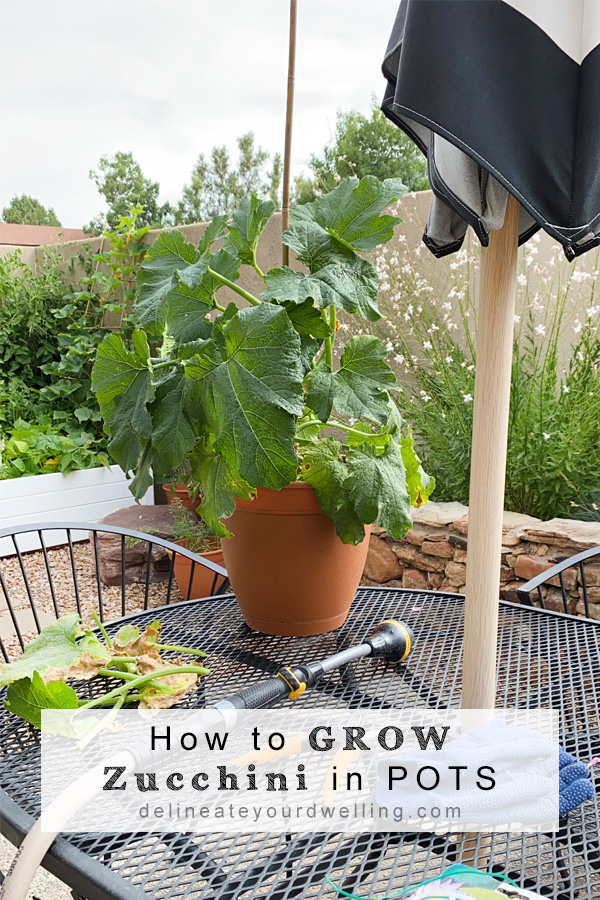
Planting Zucchini: Tips for a Bountiful Harvest
Zucchini, a popular summer squash known for its versatility and mild flavor, is a staple in many home gardens. Whether you’re a seasoned gardener or just starting out, here are some tips to help you successfully plant and grow zucchini:
Choose the Right Location
Zucchini plants thrive in full sun, so choose a spot in your garden that receives at least 6-8 hours of direct sunlight per day. Ensure the soil is well-drained and rich in organic matter.
Plant at the Right Time
Zucchini is a warm-season crop, so wait until all danger of frost has passed before planting. In most regions, this means planting zucchini seeds or seedlings after the last spring frost date.
Planting Seeds or Seedlings
If planting seeds directly in the ground, sow them about 1 inch deep and 3-4 feet apart to allow room for the plants to spread. If using seedlings, transplant them carefully into the soil, ensuring they are well-watered.
Watering and Mulching
Keep the soil consistently moist but not waterlogged to promote healthy growth. Mulch around the base of the plants to help retain moisture and suppress weeds.
Fertilizing
Zucchini plants are heavy feeders, so fertilize them regularly with a balanced fertilizer according to package instructions. Avoid over-fertilizing, as this can lead to excessive foliage growth at the expense of fruit production.
Pest and Disease Control
Monitor your zucchini plants regularly for signs of pests such as squash bugs or diseases like powdery mildew. Use organic pest control methods whenever possible to protect your plants without harmful chemicals.
Harvesting Zucchini
Zucchini grows quickly once it starts producing fruit, so check your plants daily for ripe zucchinis. Harvest when they are 6-8 inches long for best flavor and texture.
By following these tips and giving your zucchini plants proper care and attention, you can enjoy a bountiful harvest of this delicious summer squash throughout the growing season.
8 Essential Tips for Successfully Planting and Growing Zucchini
- Choose a sunny location with well-drained soil for planting zucchini.
- Plant zucchini seeds or seedlings after the last frost date in your area.
- Space zucchini plants about 2-3 feet apart to allow room for growth.
- Water zucchini plants regularly, ensuring the soil stays consistently moist but not waterlogged.
- Fertilize zucchini plants every 2-3 weeks with a balanced fertilizer to promote healthy growth.
- Mulch around zucchini plants to help retain moisture and suppress weeds.
- Harvest zucchinis when they are small to medium-sized for best flavor and texture.
- Check plants regularly for pests and diseases, and take appropriate measures to control them.
Choose a sunny location with well-drained soil for planting zucchini.
When planting zucchini, it is crucial to select a sunny location with well-drained soil. Zucchini plants thrive in full sunlight, requiring at least 6-8 hours of direct sun exposure daily to promote healthy growth and abundant fruit production. Additionally, well-drained soil helps prevent waterlogging, which can lead to root rot and other plant diseases. By choosing a sunny spot with good drainage for your zucchini plants, you are setting them up for success and ensuring a productive harvest.
Plant zucchini seeds or seedlings after the last frost date in your area.
To ensure successful zucchini planting, it is essential to sow zucchini seeds or transplant seedlings after the last frost date in your region. Zucchini, being a warm-season crop, thrives in temperatures above freezing and requires a frost-free environment to establish healthy growth. By waiting until the risk of frost has passed, you give your zucchini plants the best chance to flourish and produce a bountiful harvest throughout the growing season.
Space zucchini plants about 2-3 feet apart to allow room for growth.
When planting zucchini, it is important to space the plants about 2-3 feet apart to provide ample room for growth. By giving each zucchini plant enough space, you allow for proper air circulation and sunlight exposure, which are essential for healthy development and optimal fruit production. Adequate spacing also helps prevent overcrowding, which can lead to increased risk of pests and diseases. With enough room to spread out, your zucchini plants can thrive and yield a plentiful harvest throughout the growing season.
Water zucchini plants regularly, ensuring the soil stays consistently moist but not waterlogged.
To promote healthy growth and a successful zucchini harvest, it is crucial to water zucchini plants regularly, maintaining soil moisture levels that are consistently moist but not waterlogged. Proper watering helps zucchini plants thrive by providing them with the hydration they need to develop strong roots and produce abundant fruit. By monitoring soil moisture levels and ensuring a balanced watering schedule, gardeners can support the optimal growth and productivity of their zucchini plants throughout the growing season.
Fertilize zucchini plants every 2-3 weeks with a balanced fertilizer to promote healthy growth.
To promote healthy growth of zucchini plants, it is recommended to fertilize them every 2-3 weeks with a balanced fertilizer. This regular fertilization provides essential nutrients that support the development of robust foliage and fruit production. By following this tip, gardeners can ensure that their zucchini plants receive the necessary nourishment for optimal growth and productivity throughout the growing season.
Mulch around zucchini plants to help retain moisture and suppress weeds.
Mulching around zucchini plants is a beneficial practice that can greatly enhance the health and productivity of your garden. By applying a layer of mulch, you create a protective barrier that helps retain moisture in the soil, reducing the need for frequent watering during hot and dry periods. Additionally, the mulch acts as a natural weed suppressant, minimizing competition for nutrients and sunlight while keeping your zucchini plants free from unwanted invaders. Overall, mulching is a simple yet effective way to support the growth of your zucchini plants and promote a thriving garden environment.
Harvest zucchinis when they are small to medium-sized for best flavor and texture.
For the best flavor and texture, it is recommended to harvest zucchinis when they are small to medium-sized. Zucchinis at this stage are tender, flavorful, and have a more delicate texture compared to larger ones. By picking them at the right size, you can enjoy the peak freshness and quality of the zucchinis in your dishes.
Check plants regularly for pests and diseases, and take appropriate measures to control them.
To ensure the health and productivity of your zucchini plants, it is essential to check them regularly for pests and diseases. By staying vigilant and identifying any issues early on, you can take appropriate measures to control them effectively. Implementing organic pest control methods and addressing any signs of disease promptly will help protect your zucchini plants and promote a successful growing season. Remember that proactive monitoring and intervention are key to maintaining a thriving garden full of healthy zucchinis.