
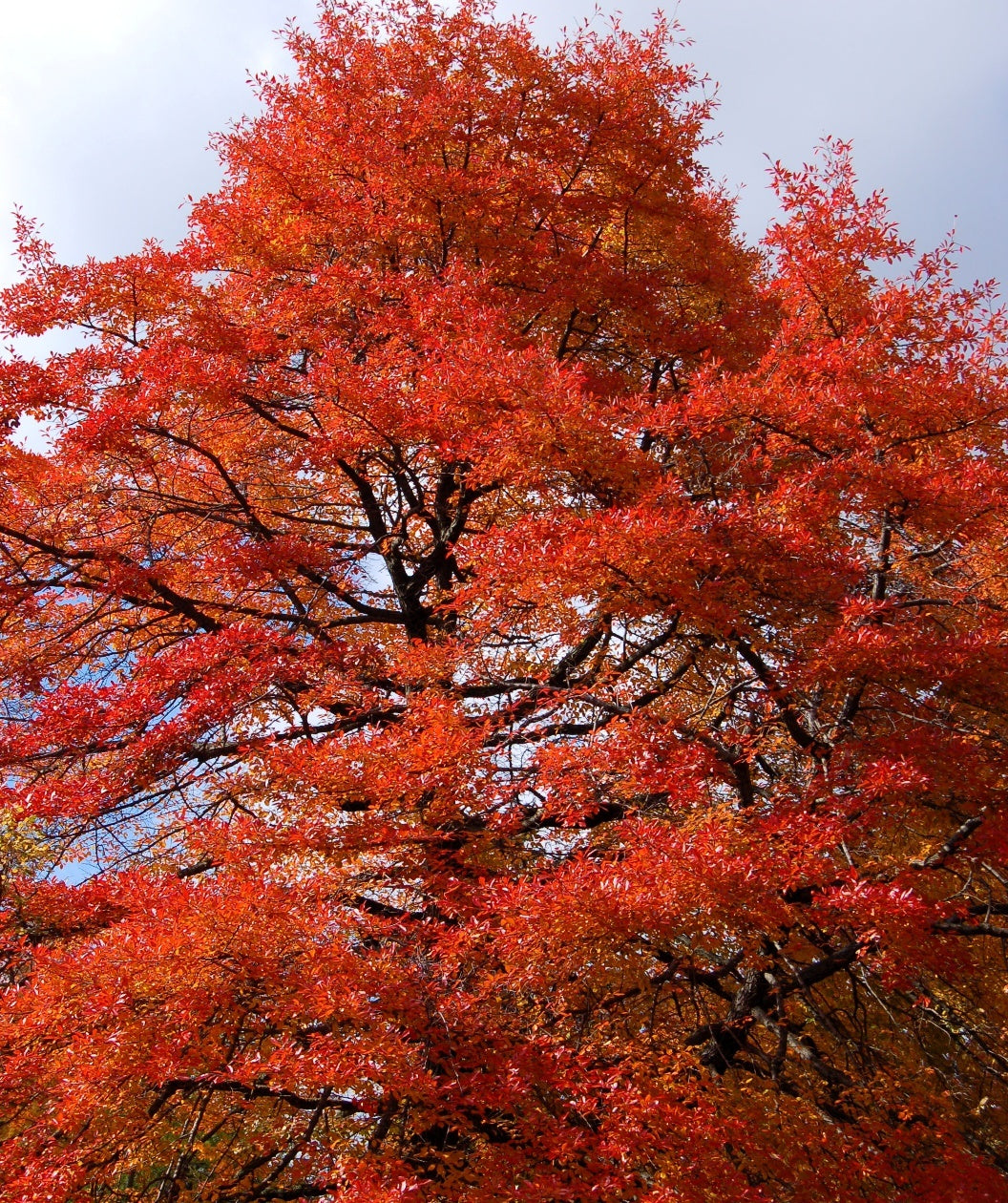
The Black Tupelo Tree: A Unique and Beautiful Addition to Your Landscape
The Black Tupelo tree, also known as the Nyssa sylvatica, is a stunning native tree species that can make a wonderful addition to any landscape. Known for its vibrant fall foliage, unique bark texture, and wildlife-attracting qualities, the Black Tupelo tree is a favorite among gardeners and nature enthusiasts alike.
One of the most striking features of the Black Tupelo tree is its foliage. In the spring and summer, its glossy green leaves provide a lush canopy that offers shade and beauty. As autumn approaches, the leaves transition to brilliant shades of red, orange, and purple, creating a spectacular display of fall colors that can rival even the most famous maple trees.
Another notable characteristic of the Black Tupelo tree is its bark. The bark of mature trees develops deep furrows and ridges that add texture and interest to its overall appearance. The combination of its dark gray bark with hints of brown creates a visually appealing contrast against its colorful foliage.
In addition to its aesthetic appeal, the Black Tupelo tree also plays an important role in supporting local wildlife. Its small fruits are a valuable food source for birds such as woodpeckers, thrushes, and warblers. The tree’s flowers attract bees and other pollinators, contributing to biodiversity in your garden or local ecosystem.
Cultivating a Black Tupelo tree in your landscape can be a rewarding experience that offers year-round beauty and ecological benefits. Whether planted as a focal point in your yard or as part of a larger naturalized area, this native tree species is sure to enhance the aesthetic value of your outdoor space while supporting local wildlife populations.
Consider adding a Black Tupelo tree to your landscape today and enjoy all the unique benefits it has to offer!
7 Essential Tips for Growing a Healthy Black Tupelo Tree
- Plant black tupelo trees in well-draining soil.
- Provide full sun to partial shade for optimal growth.
- Water young trees regularly, especially during dry periods.
- Mulch around the base of the tree to retain moisture and suppress weeds.
- Prune dead or damaged branches in late winter or early spring.
- Fertilize with a balanced slow-release fertilizer in early spring.
- Watch out for pests like aphids and scale insects, and treat promptly if detected.
Plant black tupelo trees in well-draining soil.
Planting black tupelo trees in well-draining soil is crucial for their overall health and growth. Black tupelo trees, also known as Nyssa sylvatica, thrive in soil that allows excess water to flow away from the roots, preventing waterlogging and root rot. Well-draining soil ensures that the tree’s roots receive adequate oxygen levels and nutrients, promoting strong root development and overall vigor. By selecting a suitable planting site with good drainage, you can help your black tupelo tree establish itself successfully and flourish in your landscape for years to come.
Provide full sun to partial shade for optimal growth.
For optimal growth, it is recommended to provide the Black Tupelo tree with full sun to partial shade. This tree thrives in sunlight but can also tolerate some shade, making it a versatile option for various landscape settings. Ensuring that the tree receives adequate sunlight will promote healthy growth and vibrant foliage, while offering some protection from intense sunlight through partial shading can help maintain its overall well-being. By striking the right balance between sun exposure and shade, you can support the Black Tupelo tree in reaching its full potential and enhancing the beauty of your outdoor environment.
Water young trees regularly, especially during dry periods.
To ensure the healthy growth and establishment of young Black Tupelo trees, it is essential to water them regularly, particularly in dry periods. Adequate watering is crucial for helping young trees develop strong root systems and withstand environmental stressors. By providing consistent moisture, you can support the tree’s overall health and vitality, enabling it to thrive and display its stunning foliage and bark features as it matures.
Mulch around the base of the tree to retain moisture and suppress weeds.
To maintain the health and vitality of your Black Tupelo tree, it is recommended to mulch around the base of the tree. Mulching helps retain moisture in the soil, which is especially beneficial during hot and dry periods. Additionally, a layer of mulch acts as a natural weed suppressant, reducing competition for nutrients and water that could otherwise hinder the tree’s growth. By mulching around the base of your Black Tupelo tree, you can create a favorable environment that promotes its overall well-being and enhances its beauty in your landscape.
Prune dead or damaged branches in late winter or early spring.
To ensure the health and vitality of your Black Tupelo tree, it is recommended to prune dead or damaged branches in late winter or early spring. By removing these unhealthy branches during the tree’s dormant season, you can promote new growth and prevent potential disease or pest issues. Pruning at this time also allows the tree to allocate its resources more efficiently once the growing season begins, leading to a stronger and more resilient tree overall. Remember to use proper pruning techniques and tools to make clean cuts and minimize stress on the tree.
Fertilize with a balanced slow-release fertilizer in early spring.
To promote healthy growth and vibrant foliage, it is recommended to fertilize your Black Tupelo tree with a balanced slow-release fertilizer in early spring. This timing allows the tree to benefit from the nutrients as it enters its active growing season, ensuring that it has the necessary resources to thrive throughout the year. By providing a slow-release fertilizer, you can support steady and sustained growth while minimizing the risk of over-fertilization, ultimately helping your Black Tupelo tree reach its full potential in terms of beauty and vitality.
Watch out for pests like aphids and scale insects, and treat promptly if detected.
When caring for your Black Tupelo tree, it is important to be vigilant for pests such as aphids and scale insects. These common pests can damage the tree by feeding on its leaves and stems, potentially impacting its overall health and appearance. Regularly inspecting your tree for signs of infestation, such as sticky residue or distorted growth, can help you detect these pests early. If aphids or scale insects are detected, prompt treatment measures should be taken to prevent further damage and protect the health of your Black Tupelo tree.