
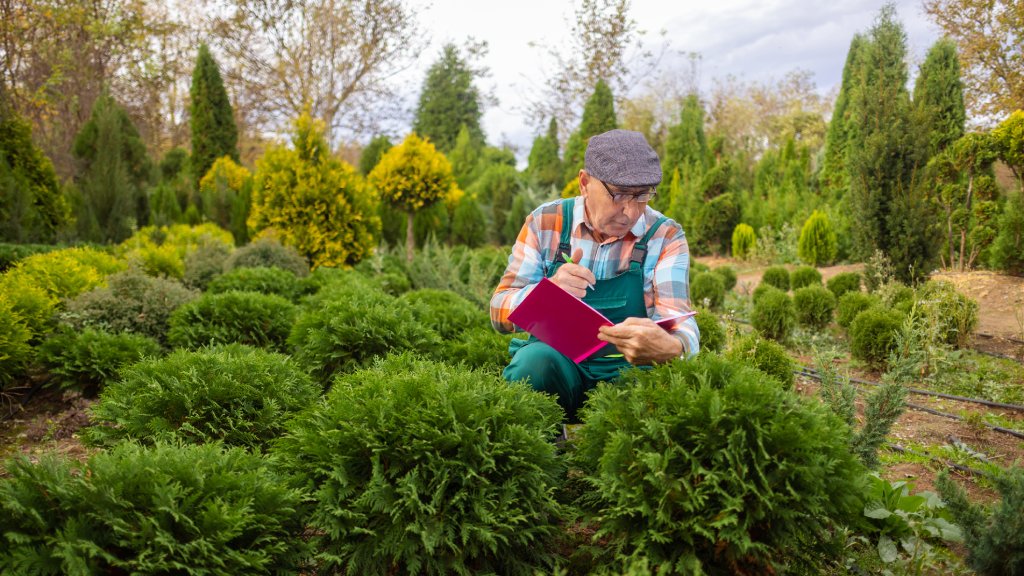
The Rise of Green Gardeners: Cultivating Sustainable Practices
In recent years, the concept of green gardening has gained momentum as more people become aware of the environmental impact of traditional gardening practices. Green gardeners are individuals who prioritize sustainability, conservation, and eco-friendly methods in their gardening endeavors.
One key aspect of green gardening is the use of organic and natural fertilizers and pesticides instead of chemical-based products. By opting for organic solutions, green gardeners help protect pollinators, beneficial insects, and other wildlife essential for a healthy ecosystem.
Composting is another hallmark practice among green gardeners. By recycling kitchen scraps and yard waste into nutrient-rich compost, they reduce landfill waste and enrich the soil without relying on synthetic fertilizers.
Water conservation is also a top priority for green gardeners. They employ techniques such as rainwater harvesting, drip irrigation systems, and mulching to minimize water usage and prevent runoff pollution.
Beyond sustainable practices, green gardeners often focus on creating biodiverse landscapes that support native plants and wildlife. By planting native species and providing habitat for beneficial insects and birds, they contribute to preserving local ecosystems.
Education plays a vital role in the green gardening movement. Many green gardeners engage in community outreach efforts to promote sustainable gardening practices and inspire others to adopt eco-friendly approaches in their own gardens.
As the awareness of environmental issues continues to grow, so does the importance of adopting sustainable practices in all aspects of life—including gardening. Green gardeners lead by example, demonstrating that beautiful gardens can thrive without harming the planet.
7 Essential Tips for Eco-Friendly Gardening
- Use organic fertilizers and pesticides to promote a healthy garden ecosystem.
- Conserve water by using drip irrigation systems and collecting rainwater.
- Plant native species to support local wildlife and reduce maintenance needs.
- Compost kitchen scraps and yard waste to create nutrient-rich soil for your garden.
- Practice integrated pest management techniques to control pests naturally.
- Mulch around plants to retain moisture, suppress weeds, and improve soil health.
- Rotate crops each season to prevent soil depletion and reduce the risk of pests and diseases.
Use organic fertilizers and pesticides to promote a healthy garden ecosystem.
Using organic fertilizers and pesticides is a fundamental practice among green gardeners to nurture a thriving and balanced garden ecosystem. By choosing natural alternatives over chemical-based products, green gardeners not only provide essential nutrients to their plants but also support beneficial insects, pollinators, and soil microorganisms. Organic fertilizers enrich the soil without harmful synthetic additives, promoting long-term soil health and fertility. Likewise, organic pesticides target pests while minimizing harm to non-target organisms, preserving the delicate ecological balance within the garden. Embracing organic solutions aligns with the principles of sustainability and environmental stewardship, ensuring a healthy and vibrant garden for both plants and wildlife alike.
Conserve water by using drip irrigation systems and collecting rainwater.
To conserve water and promote sustainable gardening practices, green gardeners can implement drip irrigation systems and rainwater collection methods. Drip irrigation systems deliver water directly to the base of plants, reducing evaporation and ensuring efficient water usage. By collecting rainwater in barrels or tanks, gardeners can harness nature’s free resource to irrigate their gardens, reducing reliance on municipal water supplies and minimizing runoff pollution. These simple yet effective strategies not only help conserve water but also contribute to creating a more eco-friendly and resilient garden environment.
Plant native species to support local wildlife and reduce maintenance needs.
Planting native species in your garden not only benefits local wildlife by providing essential habitat and food sources but also helps reduce maintenance needs. Native plants are well-adapted to the local climate and soil conditions, requiring less water, fertilizer, and pest control compared to non-native species. By incorporating native plants into your garden design, you can create a thriving ecosystem that supports biodiversity while minimizing the time and resources needed for upkeep.
Compost kitchen scraps and yard waste to create nutrient-rich soil for your garden.
Composting kitchen scraps and yard waste is a fundamental practice embraced by green gardeners to cultivate nutrient-rich soil for their gardens. By recycling organic materials through composting, green gardeners not only reduce landfill waste but also create a sustainable source of natural fertilizer that enriches the soil, promotes healthy plant growth, and minimizes the need for synthetic chemicals. This eco-friendly approach not only benefits the garden but also contributes to a greener and more sustainable environment overall.
Practice integrated pest management techniques to control pests naturally.
Green gardeners embrace the principle of integrated pest management to address pest issues in a natural and sustainable way. By combining various eco-friendly strategies such as introducing beneficial insects, using physical barriers, practicing crop rotation, and maintaining healthy soil, green gardeners can effectively manage pests without resorting to chemical pesticides. This holistic approach not only helps control pests but also promotes a balanced ecosystem in the garden, supporting biodiversity and long-term environmental health.
Mulch around plants to retain moisture, suppress weeds, and improve soil health.
Mulching around plants is a valuable practice for green gardeners as it serves multiple benefits. By applying a layer of mulch, gardeners can help retain moisture in the soil, reducing the need for frequent watering and promoting plant health. Additionally, mulch acts as a natural weed suppressant, minimizing the growth of unwanted plants and allowing desired vegetation to thrive. Moreover, as the mulch breaks down over time, it enriches the soil with organic matter, improving its structure and fertility. Overall, mulching is a simple yet effective technique that contributes to sustainable gardening practices and supports a healthy garden ecosystem.
Rotate crops each season to prevent soil depletion and reduce the risk of pests and diseases.
Rotating crops each season is a fundamental practice among green gardeners that not only helps prevent soil depletion but also minimizes the risk of pests and diseases. By changing the location of crops within the garden, green gardeners disrupt the life cycles of pests and pathogens that may have built up in the soil. Additionally, rotating crops can help maintain soil fertility by varying the nutrient needs of different plant species, ultimately promoting healthier plants and sustainable gardening practices.