
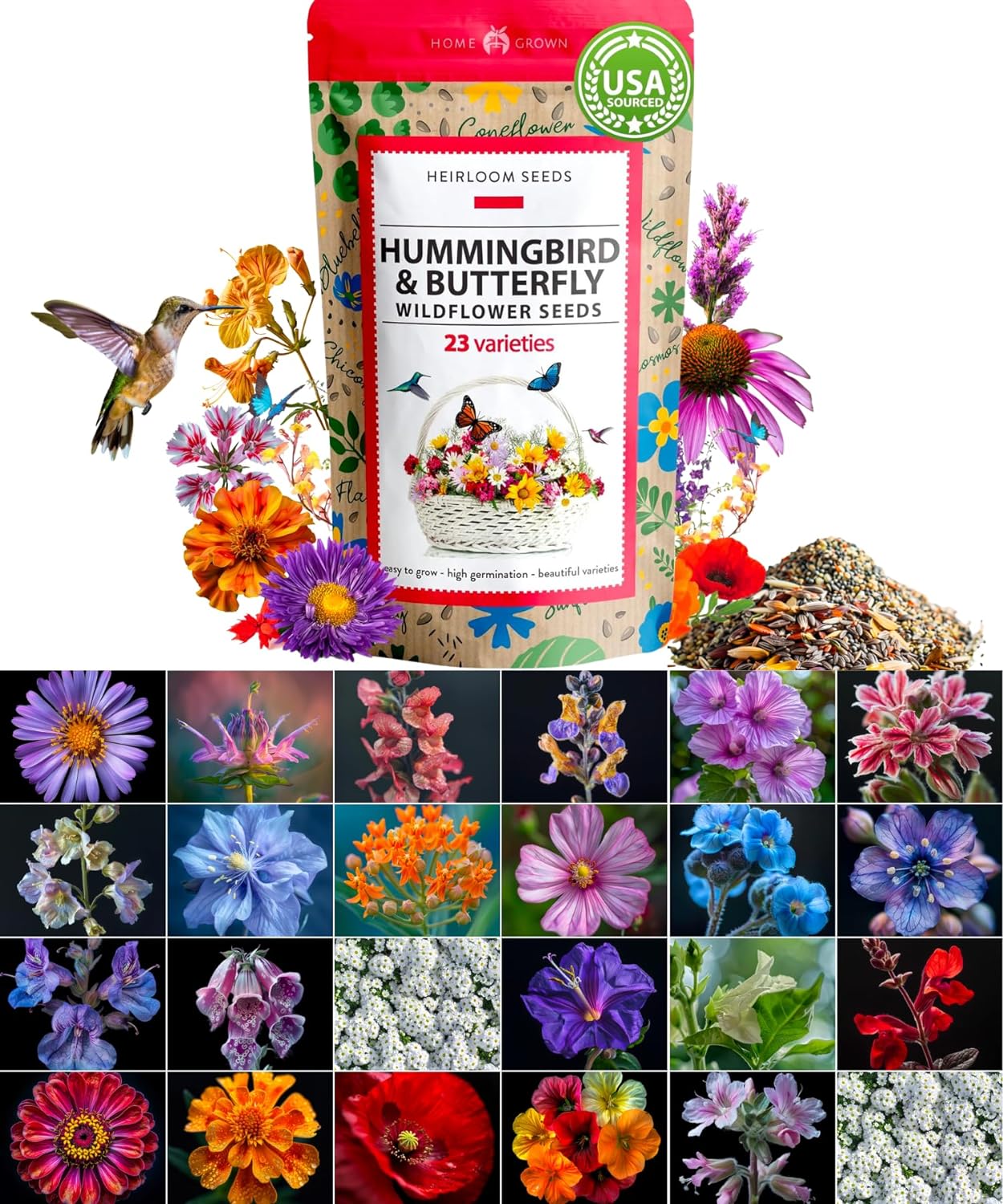
The Beauty and Benefits of Wildflower Seeds
Wildflowers are not just a pretty sight to behold; they also play a crucial role in supporting local ecosystems and biodiversity. Planting wildflower seeds is a simple yet impactful way to enhance your garden while helping the environment thrive.
One of the key advantages of wildflower seeds is their ability to attract pollinators such as bees, butterflies, and hummingbirds. These vital creatures play a crucial role in pollinating plants, ensuring the production of fruits, vegetables, and seeds. By planting wildflowers, you can create a welcoming habitat for these pollinators and support their populations.
Wildflowers also contribute to soil health by preventing erosion and promoting water retention. Their deep root systems help anchor the soil, reducing runoff and erosion. Additionally, some wildflowers have the ability to break up compacted soil, improving its structure and fertility over time.
Another benefit of wildflower seeds is their low maintenance nature. Once established, many wildflowers require minimal care, making them an excellent choice for busy gardeners or those looking to create a more naturalistic garden setting.
There is a wide variety of wildflower seeds available, ranging from native species to exotic blooms. When selecting wildflower seeds for your garden, consider choosing native species that are well-adapted to your local climate and soil conditions. Native wildflowers are not only easier to grow but also provide essential food and habitat for local wildlife.
Whether you’re looking to add color to your garden, attract beneficial insects, or support local ecosystems, planting wildflower seeds is a rewarding endeavor that offers beauty and benefits in abundance.
7 Essential Tips for Successfully Planting and Growing Wildflower Seeds
- Choose native wildflower seeds for your region to ensure they thrive in the local environment.
- Prepare the soil by removing weeds and loosening the top layer before planting wildflower seeds.
- Sow the seeds at the appropriate depth according to the instructions on the seed packet.
- Water newly planted wildflower seeds gently to keep the soil moist but not waterlogged.
- Protect young seedlings from pests and harsh weather conditions by covering them with a light fabric or netting if needed.
- Allow some wildflowers to go to seed at the end of their growing season to encourage self-seeding for future blooms.
- Regularly deadhead faded flowers to promote continuous blooming throughout the season.
Choose native wildflower seeds for your region to ensure they thrive in the local environment.
Selecting native wildflower seeds that are well-suited to your region is essential for ensuring their success in the local environment. Native wildflowers have evolved to thrive in specific climates, soil types, and growing conditions, making them more resilient and better adapted to local ecosystems. By choosing native wildflower seeds, you can create a biodiverse garden that not only enhances the beauty of your surroundings but also provides valuable resources for local wildlife and supports the overall health of the environment.
Prepare the soil by removing weeds and loosening the top layer before planting wildflower seeds.
To ensure successful growth and establishment of wildflower seeds, it is important to prepare the soil adequately. Begin by removing any existing weeds and debris from the planting area to reduce competition for resources. Loosening the top layer of soil with a garden fork or rake helps create a favorable environment for seed germination and root development. By taking the time to properly prepare the soil before planting wildflower seeds, you can improve their chances of thriving and creating a vibrant display of blooms in your garden.
Sow the seeds at the appropriate depth according to the instructions on the seed packet.
To ensure successful germination and growth of wildflower seeds, it is crucial to sow them at the appropriate depth as indicated on the seed packet instructions. Planting seeds at the correct depth provides them with the right conditions to establish strong root systems and thrive in their environment. By following the recommended planting depth, you can help optimize seedling emergence and promote healthy growth, setting the stage for a vibrant display of wildflowers in your garden.
Water newly planted wildflower seeds gently to keep the soil moist but not waterlogged.
When planting wildflower seeds, it’s essential to water them gently to maintain soil moisture without overwatering. By ensuring that the soil is kept moist but not waterlogged, you provide the ideal conditions for the seeds to germinate and establish healthy root systems. Overwatering can lead to seed rot and hinder growth, so a delicate touch with watering is key to nurturing your newly planted wildflowers for successful growth and blooming.
Protect young seedlings from pests and harsh weather conditions by covering them with a light fabric or netting if needed.
To ensure the successful growth of wildflower seedlings, it is important to protect them from potential threats such as pests and harsh weather conditions. One effective tip is to cover young seedlings with a light fabric or netting if necessary. This simple measure can shield the delicate plants from insect damage, extreme temperatures, and strong winds, providing them with a safe environment to establish themselves and thrive. By taking proactive steps to safeguard young seedlings, gardeners can help ensure the healthy development of their wildflower garden for seasons to come.
Allow some wildflowers to go to seed at the end of their growing season to encourage self-seeding for future blooms.
To encourage self-seeding for future blooms, consider allowing some of your wildflowers to go to seed at the end of their growing season. Allowing wildflowers to mature and disperse their seeds naturally not only promotes the sustainability of your garden but also ensures a continuous cycle of blooming seasons. By letting nature take its course, you can enjoy a beautiful display of wildflowers year after year with minimal effort required on your part.
Regularly deadhead faded flowers to promote continuous blooming throughout the season.
Regularly deadheading faded flowers is a simple yet effective tip to ensure continuous blooming of wildflowers throughout the season. By removing spent blooms, you encourage the plant to redirect its energy into producing new flowers, prolonging the colorful display in your garden. This maintenance practice not only promotes a longer blooming period but also helps maintain the overall health and vigor of the wildflower plants, ensuring a vibrant and lively garden landscape for you to enjoy.