
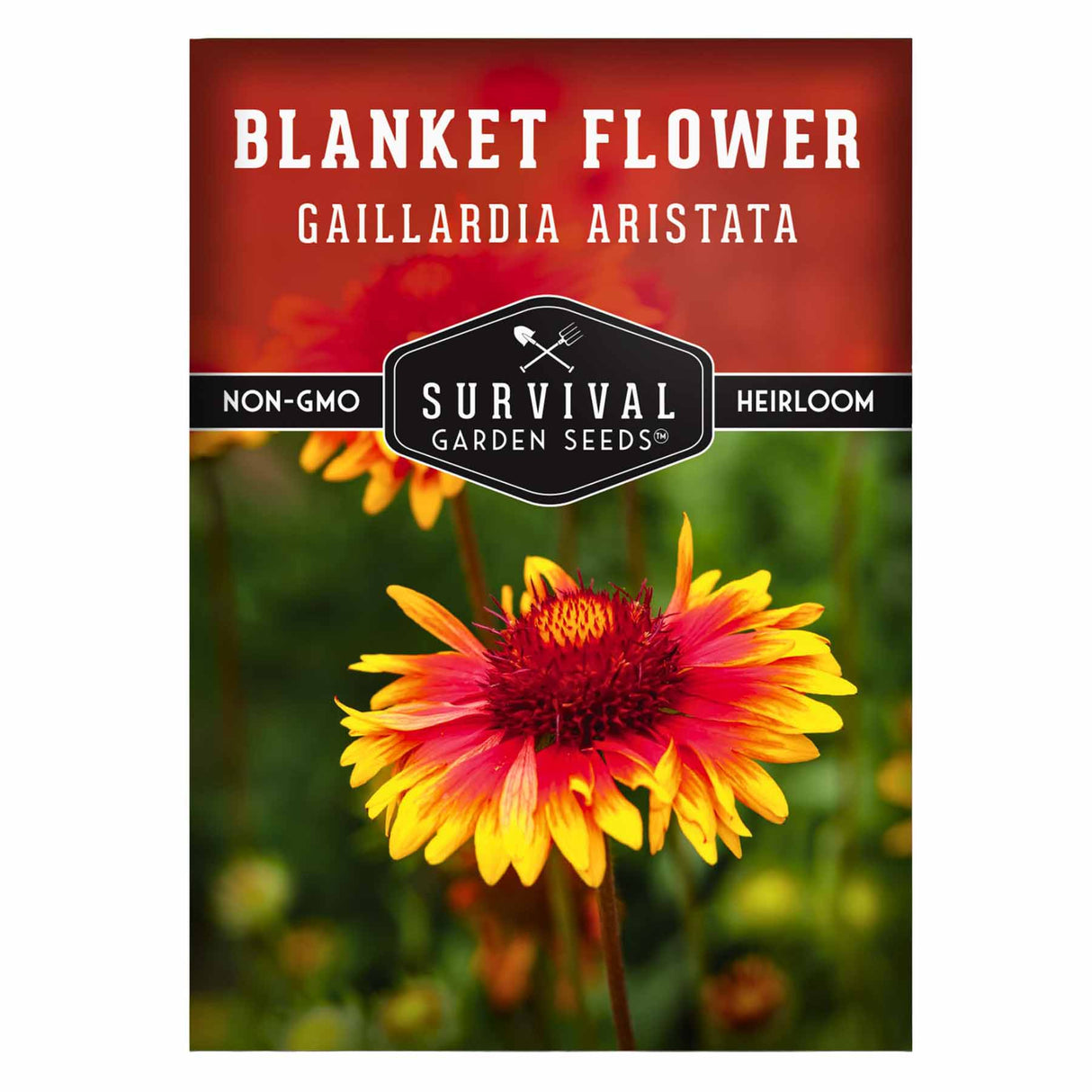
The Beauty and Benefits of Wildflower Seeds
Wildflower seeds are nature’s gift, offering beauty, biodiversity, and environmental benefits to gardens and landscapes. Planting wildflowers is a simple yet impactful way to support pollinators, attract wildlife, and create colorful displays that change with the seasons.
Benefits of Wildflower Seeds:
- Pollinator Support: Wildflowers provide essential food sources for bees, butterflies, and other pollinators, helping to maintain healthy ecosystems.
- Biodiversity: By planting a variety of wildflower species, you can promote biodiversity and create habitats for a range of wildlife species.
- Low Maintenance: Once established, wildflowers require minimal care compared to traditional garden plants, making them a low-maintenance landscaping option.
- Erosion Control: Deep-rooted wildflowers help prevent soil erosion by stabilizing the ground with their extensive root systems.
Tips for Planting Wildflower Seeds:
- Choose Native Species: Select wildflower seeds that are native to your region for optimal growth and ecological benefits.
- Prepare the Soil: Ensure the planting area is weed-free and well-drained to give your wildflowers the best chance of success.
- Sow at the Right Time: Follow planting instructions specific to each wildflower species to ensure proper germination and growth.
- Maintain Moisture: Keep the soil consistently moist during the germination period until the seedlings are established.
In conclusion, wildflower seeds offer a multitude of benefits for both gardeners and the environment. By incorporating these beautiful blooms into your landscape, you can enjoy vibrant colors, support local wildlife, and contribute to a more sustainable ecosystem. So why not add some wildflower seeds to your garden today?
Everything You Need to Know About Planting Wildflower Seeds: FAQs Answered
- 1. How do I plant wildflower seeds?
- 2. When is the best time to sow wildflower seeds?
- 3. What are the benefits of planting wildflower seeds?
- 4. Do I need to prepare the soil before planting wildflower seeds?
- 5. Can I mix different types of wildflower seeds together?
- 6. How long does it take for wildflower seeds to germinate?
1. How do I plant wildflower seeds?
Planting wildflower seeds is a simple and rewarding process. To plant wildflower seeds, begin by preparing the soil in a sunny location that is well-drained and free of weeds. Scatter the seeds evenly over the soil surface, following the planting instructions specific to each wildflower species. Lightly press the seeds into the soil to ensure good seed-to-soil contact. Water the area gently to keep the soil moist during the germination period. With patience and care, you can watch as your wildflower seeds sprout and grow into a beautiful display of nature’s colors.
2. When is the best time to sow wildflower seeds?
The best time to sow wildflower seeds depends on the specific species you are planting and your local climate. In general, many wildflower seeds are best sown in the early spring or late fall when the soil is moist and temperatures are cooler. This timing allows the seeds to establish before extreme heat or cold sets in. However, some species may benefit from being planted in the winter or early summer. It’s essential to research the optimal planting time for the particular wildflower seeds you have to ensure successful germination and growth.
3. What are the benefits of planting wildflower seeds?
Planting wildflower seeds offers a range of benefits for both gardeners and the environment. Firstly, wildflowers provide crucial support for pollinators such as bees, butterflies, and hummingbirds by offering them a diverse and abundant food source. This helps to maintain healthy ecosystems and promote biodiversity. Additionally, wildflower seeds require minimal maintenance once established, making them a low-effort landscaping option. These flowers also contribute to erosion control with their deep root systems, helping to stabilize soil and prevent erosion. Overall, planting wildflower seeds not only adds beauty to your garden but also plays a vital role in supporting wildlife and creating sustainable landscapes.
4. Do I need to prepare the soil before planting wildflower seeds?
Preparing the soil before planting wildflower seeds is crucial for successful germination and growth. Clearing the planting area of weeds and debris, loosening the soil to improve aeration and drainage, and removing any competing vegetation will create an optimal environment for the seeds to take root. By preparing the soil properly, you can provide the wildflower seeds with the best chance of establishing healthy plants that will thrive and bloom beautifully in your garden or landscape.
5. Can I mix different types of wildflower seeds together?
Mixing different types of wildflower seeds together can create a diverse and visually stunning display in your garden or landscape. By combining various species, you can enjoy a range of colors, shapes, and bloom times throughout the growing season. However, it is essential to consider the compatibility of the wildflower species you plan to mix to ensure they will thrive together in the same growing conditions. Some species may compete for resources or have different soil and light requirements. Researching each species’ characteristics and growth habits before mixing them can help you create a harmonious and successful wildflower garden that attracts pollinators and adds beauty to your outdoor space.
6. How long does it take for wildflower seeds to germinate?
The germination time for wildflower seeds can vary depending on the specific species of wildflowers being planted. In general, most wildflower seeds will germinate within 1 to 3 weeks under optimal conditions. However, some species may take longer, ranging from a few weeks to a few months. Factors such as temperature, moisture levels, and soil quality can also influence the germination process. It is important to follow the planting instructions provided for each type of wildflower seed to ensure successful germination and healthy growth of your wildflowers.