
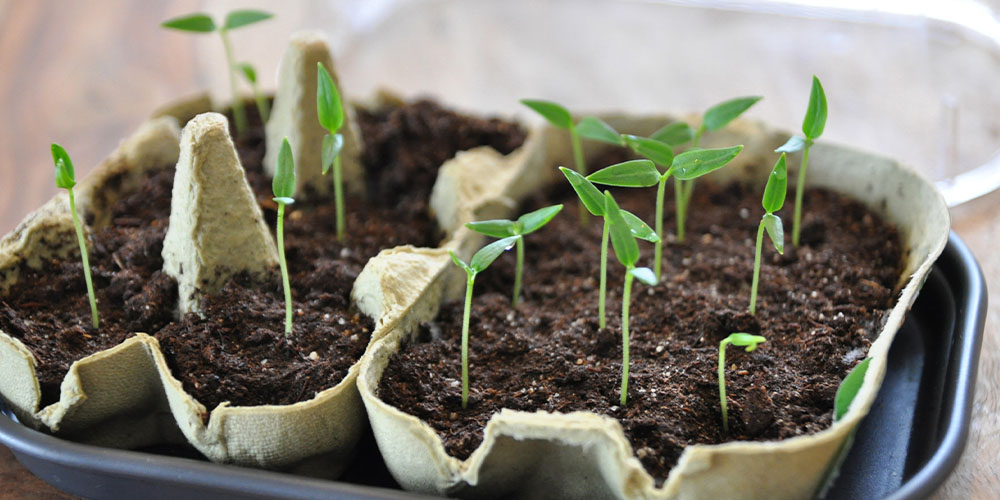
The Art of Seed Gardening: Cultivating Beauty from Tiny Beginnings
Seed gardening is a time-honored practice that allows individuals to connect with nature, exercise patience, and witness the miraculous journey of a tiny seed transforming into a vibrant plant. Whether you are a seasoned gardener or a novice enthusiast, seed gardening offers a sense of fulfillment and wonder that is unmatched.
One of the most rewarding aspects of seed gardening is the opportunity to select from a vast array of plant varieties. From heirloom tomatoes to exotic flowers, seeds provide endless possibilities for creating a unique and diverse garden that reflects your personal taste and preferences.
Starting seeds indoors can be an exciting project that requires careful attention to detail. By providing the right amount of light, water, and warmth, you can nurture your seeds into healthy seedlings ready for transplanting outdoors. Watching your seeds sprout and grow under your care is a gratifying experience that instills a sense of pride and accomplishment.
Seed gardening also offers the chance to save money and reduce waste by growing plants from scratch rather than purchasing mature plants from nurseries. Additionally, cultivating plants from seeds allows you to develop a deeper understanding of the growth cycle and seasonal rhythms of different species, fostering a greater appreciation for the natural world.
Whether you have limited outdoor space or simply enjoy the process of tending to delicate seedlings, seed gardening provides endless opportunities for creativity and self-expression. By experimenting with different planting techniques, soil mixes, and growing conditions, you can develop your skills as a gardener and uncover new insights into the art of cultivation.
In conclusion, seed gardening is not just about growing plants; it is about nurturing life from its most humble beginnings and witnessing the beauty that emerges from tiny seeds. Embrace the art of seed gardening as a way to connect with nature, foster growth and renewal, and create beauty in your own corner of the world.
Top 5 FAQs for Successful Seed Gardening: From Starting Indoors to Choosing Beginner-Friendly Plants
- How do I start seeds indoors?
- When is the best time to plant seeds outdoors?
- What are some common mistakes to avoid when seed gardening?
- How often should I water my seedlings?
- What are the best plants to grow from seeds for beginners?
How do I start seeds indoors?
Starting seeds indoors is a popular method for kickstarting your garden before the outdoor growing season begins. To begin, gather your supplies including containers, seed starting mix, seeds, and a light source. Fill your containers with the seed starting mix, plant the seeds at the recommended depth, and water gently. Place the containers in a warm location with ample sunlight or under grow lights. Keep the soil moist but not waterlogged, and monitor the temperature to ensure optimal germination conditions. As your seeds sprout and grow into seedlings, provide them with adequate light and gradually acclimate them to outdoor conditions before transplanting them into your garden. By following these steps, you can successfully start seeds indoors and enjoy a head start on a bountiful garden harvest.
When is the best time to plant seeds outdoors?
Determining the best time to plant seeds outdoors is a crucial aspect of successful seed gardening. The timing of outdoor seed planting largely depends on factors such as the specific plant species, local climate conditions, and the last frost date in your area. In general, it is recommended to plant seeds outdoors after the threat of frost has passed and the soil has warmed up sufficiently for germination. Consulting a planting calendar or local gardening resources can help you identify the optimal timing for planting different types of seeds in your region. By planting seeds at the right time, you can maximize their chances of thriving and yield a bountiful harvest in your garden.
What are some common mistakes to avoid when seed gardening?
When seed gardening, it is important to be mindful of common mistakes that can impact the success of your plants. One common error to avoid is planting seeds too deeply, as this can inhibit germination by preventing adequate light from reaching the seed. Overwatering is another pitfall to watch out for, as it can lead to root rot and other issues that hinder plant growth. Additionally, neglecting to provide sufficient airflow or using poor-quality soil can impede the development of healthy seedlings. By being aware of these common mistakes and taking proactive steps to prevent them, you can set yourself up for a successful seed gardening experience and enjoy the beauty of your thriving plants.
How often should I water my seedlings?
Knowing when and how much to water your seedlings is crucial for their healthy growth. The frequency of watering your seedlings depends on various factors such as the type of plant, the growing medium, and the environmental conditions. As a general guideline, it is recommended to keep the soil consistently moist but not waterlogged. Checking the moisture level by gently touching the soil surface can help you determine if your seedlings need watering. Overwatering can lead to root rot, while underwatering can cause stress and stunted growth. Observing your seedlings closely and adjusting your watering schedule accordingly will help ensure that they thrive and develop into strong, vibrant plants.
What are the best plants to grow from seeds for beginners?
For beginners venturing into seed gardening, selecting the right plants to grow from seeds is crucial for a successful and rewarding experience. Some of the best plants for beginners to cultivate from seeds include easy-to-grow varieties like sunflowers, zinnias, lettuce, radishes, and marigolds. These plants are known for their resilience, quick germination times, and minimal maintenance requirements, making them ideal choices for those new to seed gardening. By starting with these beginner-friendly plants, aspiring gardeners can build confidence, hone their skills, and enjoy the satisfaction of watching their seeds sprout and flourish into beautiful plants.