
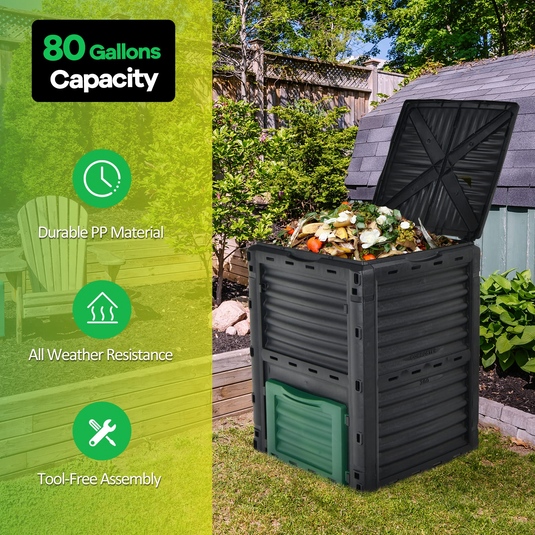
The Benefits of Using a Composting Bin
Composting is a simple and effective way to reduce waste and create nutrient-rich soil for your garden. One popular method of composting is using a composting bin. Here are some benefits of using a composting bin:
- Convenience: Composting bins are easy to use and maintain. They provide a contained space for your organic waste, reducing odors and preventing pests.
- Speed up the composting process: A composting bin creates the ideal environment for microorganisms to break down organic matter quickly, resulting in faster decomposition.
- Reduce landfill waste: By composting your kitchen scraps and yard waste, you divert organic materials from ending up in landfills, where they would contribute to greenhouse gas emissions.
- Create nutrient-rich soil: The compost produced in a composting bin is rich in essential nutrients that can improve soil quality, promote plant growth, and enhance the overall health of your garden.
- Cost-effective: Using a composting bin eliminates the need for store-bought fertilizers and soil amendments, saving you money in the long run.
Whether you are an experienced gardener or just starting out, incorporating a composting bin into your gardening routine can benefit both your garden and the environment. Start composting today and reap the rewards of healthier plants and sustainable practices!
8 Benefits of Using a Compost Bin: From Reducing Waste to Promoting Sustainable Gardening
- Reduces kitchen waste sent to landfills
- Creates nutrient-rich soil for plants
- Helps reduce greenhouse gas emissions
- Cost-effective alternative to store-bought fertilizers
- Easy to use and maintain
- Minimizes odors and pests in the composting process
- Speeds up decomposition of organic matter
- Promotes sustainable gardening practices
7 Drawbacks of Using a Composting Bin: What to Consider Before You Start
- Requires regular maintenance to ensure proper decomposition.
- May attract pests such as rodents and insects if not managed correctly.
- Composting bins can take up space in small yards or gardens.
- Some composting bins may have a higher initial cost compared to traditional compost piles.
- Inadequate aeration in the bin can lead to unpleasant odors.
- In colder climates, composting may slow down during winter months.
- Some materials, like meat and dairy products, cannot be composted in certain bins.
Reduces kitchen waste sent to landfills
One significant advantage of using a composting bin is its ability to reduce kitchen waste sent to landfills. By diverting organic materials such as fruit and vegetable scraps, coffee grounds, and eggshells into a composting bin instead of the trash can, you not only minimize the amount of waste that ends up in landfills but also contribute to the creation of nutrient-rich compost that can be used to enrich soil and support plant growth. This eco-friendly practice helps lower greenhouse gas emissions produced by decomposing organic matter in landfills, making composting bins a sustainable solution for managing kitchen waste.
Creates nutrient-rich soil for plants
One significant advantage of using a composting bin is its ability to create nutrient-rich soil for plants. As organic matter decomposes in the bin, it transforms into a valuable compost that is packed with essential nutrients like nitrogen, phosphorus, and potassium. This nutrient-rich compost acts as a natural fertilizer when added to garden soil, providing plants with the nourishment they need to thrive and grow vigorously. By incorporating compost from a composting bin into your gardening practices, you can enhance soil fertility, improve plant health, and promote sustainable gardening methods.
Helps reduce greenhouse gas emissions
Using a composting bin helps reduce greenhouse gas emissions by diverting organic waste from landfills, where it would otherwise decompose anaerobically and produce methane, a potent greenhouse gas. By composting kitchen scraps and yard waste instead, the organic matter breaks down aerobically in the bin, significantly reducing the carbon footprint associated with waste disposal. This eco-friendly practice not only benefits the environment but also contributes to a more sustainable and greener future for our planet.
Cost-effective alternative to store-bought fertilizers
Using a composting bin as a cost-effective alternative to store-bought fertilizers can lead to significant savings for gardeners. By recycling organic waste into nutrient-rich compost, gardeners can nourish their plants and soil without having to purchase expensive fertilizers and soil amendments. Not only does this approach reduce gardening expenses in the long term, but it also promotes sustainability by minimizing the reliance on chemical products and contributing to a more eco-friendly gardening practice.
Easy to use and maintain
One of the key advantages of using a composting bin is its ease of use and maintenance. Composting bins provide a convenient and contained space for organic waste, making it simple for anyone to start composting at home. With minimal effort required to add organic materials and turn the compost, maintaining a composting bin is an uncomplicated process that can fit seamlessly into daily routines. Additionally, the enclosed nature of a composting bin helps control odors and prevents pests, ensuring a hassle-free composting experience for beginners and experienced gardeners alike.
Minimizes odors and pests in the composting process
Using a composting bin minimizes odors and pests in the composting process by providing a contained space for organic waste. The enclosed environment helps to control and contain any unpleasant smells that may arise during decomposition, making the composting process more manageable and neighbor-friendly. Additionally, the structure of a composting bin helps to deter pests such as rodents and insects from accessing the organic materials, ensuring a cleaner and more hygienic composting experience.
Speeds up decomposition of organic matter
Using a composting bin can significantly accelerate the decomposition process of organic matter. By creating an optimal environment for microorganisms to thrive and break down materials efficiently, a composting bin speeds up the transformation of kitchen scraps, yard waste, and other organic materials into nutrient-rich compost. This increased decomposition rate not only reduces the time required to produce usable compost but also helps maintain a healthy balance in the composting process, resulting in high-quality soil amendment for gardening and landscaping purposes.
Promotes sustainable gardening practices
Using a composting bin promotes sustainable gardening practices by closing the loop of organic waste within your garden ecosystem. By recycling kitchen scraps and yard waste into nutrient-rich compost, you reduce the need for chemical fertilizers and minimize the environmental impact of waste disposal. This sustainable approach not only enriches your soil but also conserves resources, reduces greenhouse gas emissions, and fosters a more eco-friendly gardening environment for future generations to enjoy.
Requires regular maintenance to ensure proper decomposition.
One drawback of using a composting bin is that it requires regular maintenance to ensure proper decomposition of organic materials. Without consistent attention and care, the composting process may slow down or become ineffective, leading to unpleasant odors and the attraction of pests. Regularly turning the compost, monitoring moisture levels, and adding the right mix of green and brown materials are essential tasks to maintain optimal conditions for decomposition in a composting bin. While this maintenance may require some effort, the benefits of nutrient-rich compost for your garden make it a worthwhile investment of time and energy.
May attract pests such as rodents and insects if not managed correctly.
One potential downside of using a composting bin is that it may attract pests such as rodents and insects if not managed correctly. Organic waste in the compost pile can be a food source for unwanted visitors, leading to infestations that can be both unsanitary and disruptive. To mitigate this risk, it is important to properly balance the compost materials, avoid adding meat or dairy products, regularly turn the compost to promote decomposition, and use a secure lid to deter pests from accessing the bin. By following best practices for managing a composting bin, you can minimize the likelihood of attracting pests and maintain a healthy composting environment.
Composting bins can take up space in small yards or gardens.
One downside of using composting bins is that they can take up valuable space in small yards or gardens. For individuals with limited outdoor areas, finding room for a composting bin may be a challenge. This limitation can deter some people from composting, especially if space is already at a premium. However, there are compact and stackable composting bin options available that can help mitigate this issue by maximizing vertical space utilization and accommodating smaller areas.
Some composting bins may have a higher initial cost compared to traditional compost piles.
Some composting bins may have a higher initial cost compared to traditional compost piles. While composting bins offer convenience and containment for composting materials, the upfront investment required for purchasing a bin may deter some individuals from starting their composting journey. However, it’s important to consider the long-term benefits and efficiency that a composting bin can provide, such as faster decomposition, reduced odors, and improved aesthetics in your garden space. Over time, the initial cost of a composting bin can be outweighed by the savings on store-bought fertilizers and the environmental impact of diverting organic waste from landfills.
Inadequate aeration in the bin can lead to unpleasant odors.
Inadequate aeration in a composting bin can result in unpleasant odors that may deter composting enthusiasts. When organic waste does not receive enough oxygen due to poor airflow in the bin, anaerobic bacteria thrive and produce foul-smelling gases. These odors can be off-putting and may attract pests, making the composting process less efficient and enjoyable. To prevent this issue, it is essential to ensure proper ventilation within the composting bin by regularly turning the compost pile or incorporating materials that promote airflow, such as dry leaves or shredded paper. By addressing inadequate aeration, gardeners can maintain a more pleasant composting experience while producing high-quality compost for their gardens.
In colder climates, composting may slow down during winter months.
In colder climates, one challenge of using a composting bin is that the decomposition process may slow down significantly during the winter months. The lower temperatures can cause the microbial activity within the compost pile to decrease, leading to a longer composting time. This delay in decomposition can result in a backlog of organic waste that takes longer to break down and transform into nutrient-rich soil. However, by adjusting your composting practices, such as using insulation or adding smaller pieces of organic matter, you can help maintain the composting process even in colder weather conditions.
Some materials, like meat and dairy products, cannot be composted in certain bins.
Certain composting bins have limitations on the types of materials that can be composted effectively, with some prohibiting the composting of meat and dairy products. These materials can attract pests and produce odors if not properly managed in a composting bin. While excluding meat and dairy products may seem like a drawback, it is important to follow these guidelines to maintain a healthy and efficient composting process. By being mindful of what goes into the composting bin, we can ensure that the end product is high-quality compost that benefits our gardens and the environment.