
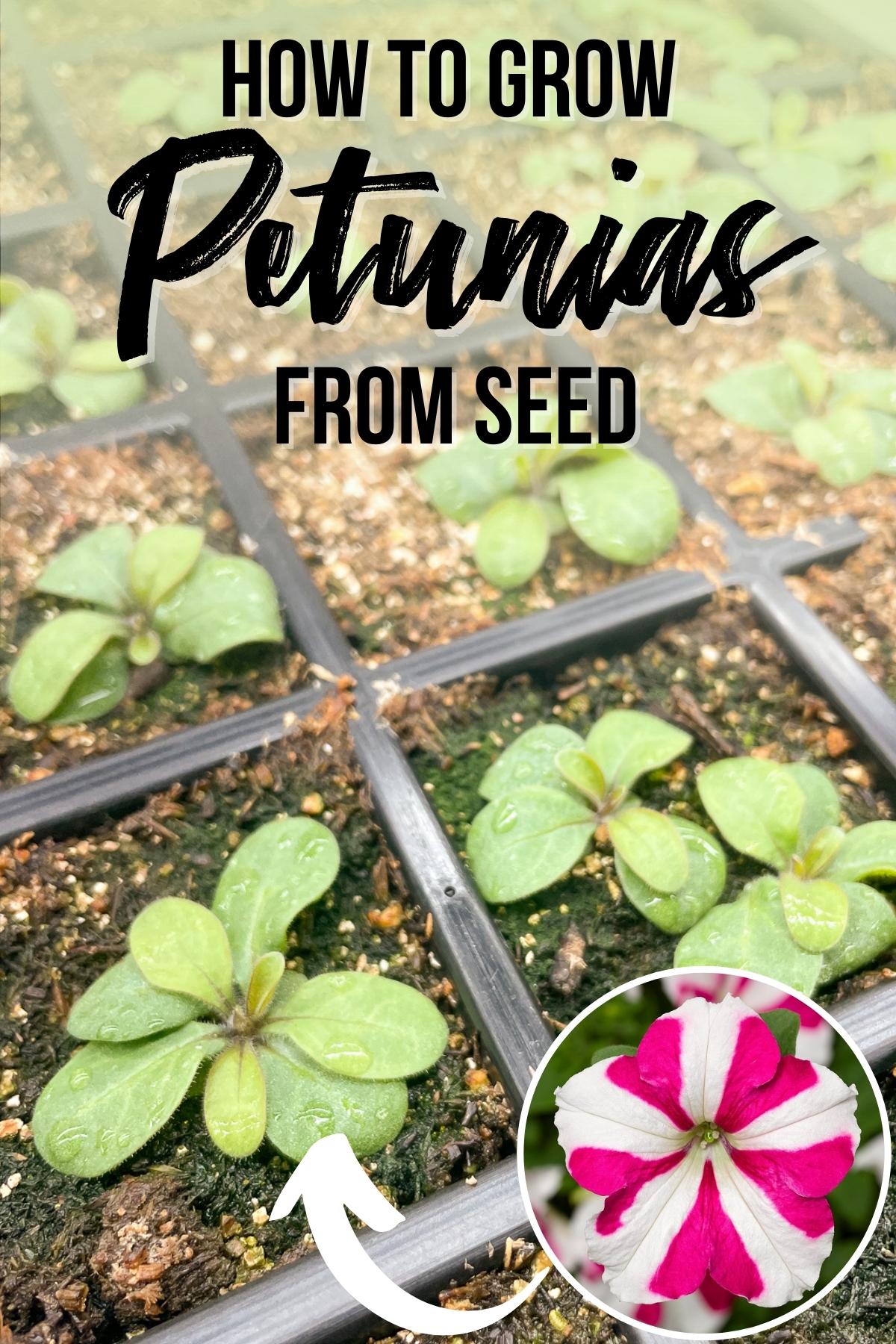
The Beauty of Petunia Seeds: A Gardener’s Guide
Petunias are popular flowering plants known for their vibrant colors and versatility in gardens and containers. Growing petunias from seeds is a rewarding experience for gardeners of all levels. Here’s everything you need to know about petunia seeds:
Types of Petunia Seeds
There are two main types of petunia seeds: hybrid seeds and heirloom seeds. Hybrid petunia seeds are bred for specific traits such as color, size, and disease resistance. Heirloom petunia seeds, on the other hand, are open-pollinated varieties that have been passed down through generations.
Planting Petunia Seeds
Petunia seeds can be started indoors 6-8 weeks before the last frost date or sown directly into the garden after the danger of frost has passed. Plant the seeds in well-draining soil and keep them moist until germination occurs.
Caring for Petunias
Petunias thrive in full sun and require regular watering to keep the soil evenly moist. Fertilize petunias every 2-4 weeks with a balanced fertilizer to promote healthy growth and abundant blooms. Deadhead faded flowers to encourage continuous blooming throughout the season.
Benefits of Growing Petunias
Aside from their stunning beauty, petunias attract pollinators such as bees and butterflies to the garden, contributing to biodiversity. They also make excellent container plants, brightening up patios, balconies, and windowsills with their colorful blooms.
In Conclusion
Whether you’re a seasoned gardener or just starting out, growing petunias from seeds is a delightful way to add color and charm to your garden. With proper care and attention, these versatile plants will reward you with an abundance of flowers all season long.
Everything You Need to Know About Growing Petunias from Seeds: Top 8 FAQs
- What time of year do you sow petunia seeds?
- What does a petunia seed pod look like?
- Are petunias easy to grow from seed?
- Where is the best place to plant petunia seeds?
- How do I collect seeds from petunias?
- When should petunia seeds be planted?
- Can you grow petunias from seed?
- Can I get seeds from my petunias?
What time of year do you sow petunia seeds?
Petunia seeds are typically sown indoors 6-8 weeks before the last frost date in your area. This timing allows the seedlings to establish and grow strong before being transplanted outdoors after the danger of frost has passed. For most regions, this means starting petunia seeds indoors in late winter to early spring for a head start on the growing season. Sowing petunia seeds at the right time ensures healthy plants and vibrant blooms once they are ready to be moved into your garden or containers.
What does a petunia seed pod look like?
A petunia seed pod is typically small and elongated, resembling a miniature pea pod. It forms at the base of the flower where the petals have fallen off, developing as the flower matures. The seed pod starts out green and gradually turns brown as it ripens. Inside the pod, tiny petunia seeds are housed, ready to be collected for future planting. Harvesting these seeds from the pod allows gardeners to save and propagate their favorite petunia varieties, ensuring a continuous cycle of beauty in their gardens.
Are petunias easy to grow from seed?
Petunias are generally considered easy to grow from seed, making them a popular choice for both novice and experienced gardeners. With proper care and attention to their growing conditions, petunia seeds can germinate relatively quickly and produce beautiful blooms in a variety of colors. Starting petunias from seed allows gardeners to select from a wide range of hybrid and heirloom varieties, giving them the flexibility to create stunning displays in gardens, containers, or hanging baskets. By following basic guidelines for planting, watering, and fertilizing, anyone can enjoy the vibrant beauty of petunias grown from seed in their own garden.
Where is the best place to plant petunia seeds?
When planting petunia seeds, it is essential to choose a location that receives full sunlight for optimal growth and blooming. Petunias thrive in well-draining soil, so ensure the planting area has good drainage to prevent waterlogging. Whether starting the seeds indoors or directly in the garden, select a spot with adequate air circulation to reduce the risk of fungal diseases. By planting petunia seeds in a sunny, well-drained location with good air flow, you can set the stage for healthy plants and abundant blooms throughout the growing season.
How do I collect seeds from petunias?
To collect seeds from petunias, wait for the flowers to fade and develop seed pods. Once the seed pods have turned brown and dry, carefully remove them from the plant. Open the pods and collect the small black seeds inside. Store the seeds in a cool, dry place in an airtight container until you are ready to plant them. Remember to label the container with the date and type of petunia seeds for future reference. By collecting and storing petunia seeds properly, you can enjoy propagating these beautiful flowers season after season in your garden.
When should petunia seeds be planted?
Petunia seeds should be planted based on the local climate and growing conditions. In general, petunia seeds can be started indoors 6-8 weeks before the last frost date to give them a head start on the growing season. For areas with mild winters, petunia seeds can also be sown directly into the garden after the danger of frost has passed. It’s important to ensure that the soil temperature is warm enough for germination, typically around 70°F (21°C). By planting petunia seeds at the right time, gardeners can enjoy a colorful display of blooms throughout the spring and summer months.
Can you grow petunias from seed?
Yes, you can absolutely grow petunias from seed! Petunia seeds are readily available and easy to germinate, making them a popular choice for gardeners looking to add vibrant colors to their gardens. Whether you choose hybrid or heirloom varieties, starting petunias from seed allows you to explore a wide range of colors and characteristics. With proper planting and care, you can enjoy a beautiful display of petunia blooms in your garden or containers throughout the growing season. So go ahead and give it a try – growing petunias from seed is a rewarding and enjoyable experience for any gardener.
Can I get seeds from my petunias?
Yes, you can collect seeds from your petunias to grow new plants. Petunias are annual plants that produce seed pods after flowering. To harvest seeds, allow the flowers to fade and form seed pods on the plant. Once the seed pods have dried and turned brown, carefully collect them and remove the seeds. Store the seeds in a cool, dry place until you are ready to plant them. Keep in mind that if you have hybrid petunias, the seeds may not grow true to the parent plant’s characteristics. Experimenting with collecting and growing petunia seeds can be a fun way to explore different variations and colors in your garden.