
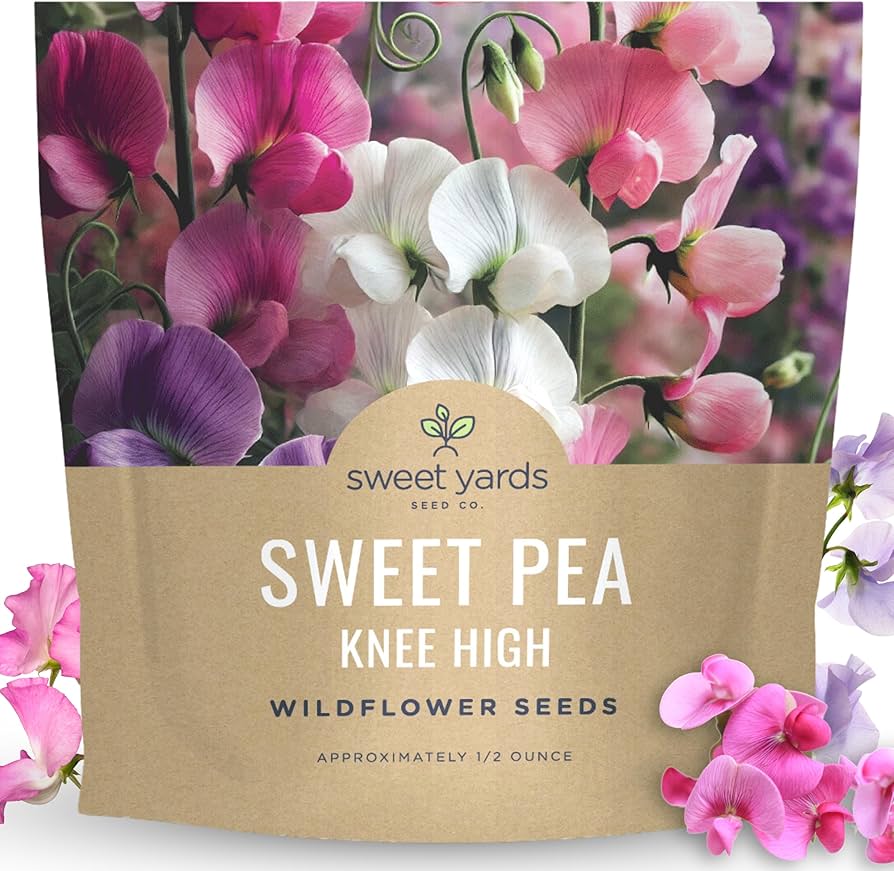
The Beauty of Sweet Pea Seeds
Sweet pea seeds are a beloved favorite among gardeners for their delicate beauty and enchanting fragrance. These seeds, originating from the Lathyrus odoratus plant, are easy to grow and produce stunning blooms in a variety of colors.
One of the most appealing aspects of sweet pea seeds is their versatility. They can be planted in garden beds, containers, or even along trellises to create a vertical display of cascading flowers. Their long stems make them ideal for cutting and using in floral arrangements, bringing a touch of elegance to any bouquet.
When planting sweet pea seeds, it’s important to choose a sunny location with well-draining soil. Sow the seeds in early spring after the last frost date, either directly into the ground or in pots for later transplanting. Keep the soil consistently moist but not waterlogged to encourage healthy growth.
As the sweet pea plants begin to bloom, you’ll be treated to a profusion of fragrant flowers that attract bees and butterflies to your garden. Regular deadheading will prolong the blooming period, ensuring that you can enjoy their beauty throughout the growing season.
Whether you’re a seasoned gardener or just starting out, sweet pea seeds are a wonderful addition to any garden. Their charm and fragrance will captivate your senses and bring joy to your outdoor space. So why not plant some sweet pea seeds today and experience the magic for yourself?
5 Reasons to Plant Sweet Pea Seeds: Easy, Beautiful, and Versatile Blooms for Every Garden
- Easy to grow, making them suitable for novice gardeners
- Produce beautiful and fragrant blooms in a variety of colors
- Versatile plants that can be grown in garden beds, containers, or along trellises
- Attract bees and butterflies to the garden with their nectar-rich flowers
- Ideal for cutting and using in floral arrangements to add elegance to bouquets
Challenges of Growing Sweet Pea Seeds: Germination, Pests, Watering Needs, and Climate Considerations
- Sweet pea seeds have a short germination window and may require pre-soaking to improve sprouting.
- Some sweet pea varieties are susceptible to pests and diseases, requiring regular monitoring and care.
- These seeds need consistent watering, as they can be sensitive to drought conditions.
- In hot climates, sweet pea plants may struggle to thrive and produce flowers, requiring extra attention to maintain their health.
Easy to grow, making them suitable for novice gardeners
Sweet pea seeds are a fantastic choice for novice gardeners due to their ease of growth. These seeds require minimal maintenance and are forgiving of beginner mistakes, making them an ideal starting point for those new to gardening. With simple care instructions and a rewarding outcome of beautiful blooms, sweet pea seeds provide a low-stress introduction to the world of gardening for beginners looking to cultivate their green thumbs.
Produce beautiful and fragrant blooms in a variety of colors
Sweet pea seeds offer the delightful advantage of producing exquisite and fragrant blooms in a diverse array of colors. From soft pastels to vibrant hues, these charming flowers add a touch of beauty and elegance to any garden or floral arrangement. The sweet, captivating fragrance that emanates from their blooms further enhances the sensory experience, making sweet pea seeds a truly enchanting choice for gardeners seeking both visual and olfactory delight in their outdoor spaces.
Versatile plants that can be grown in garden beds, containers, or along trellises
Sweet pea seeds offer gardeners the advantage of versatility, as they can be cultivated in various settings such as garden beds, containers, or along trellises. This flexibility allows for creative and customizable displays in both small and large gardening spaces. Whether adorning a balcony with cascading blooms in containers or creating a vertical garden feature with trellised sweet peas, these plants adapt well to different environments, making them a popular choice for gardeners seeking aesthetic diversity in their landscapes.
Attract bees and butterflies to the garden with their nectar-rich flowers
Sweet pea seeds offer the delightful benefit of attracting bees and butterflies to the garden with their nectar-rich flowers. These beautiful blooms act as a magnet for pollinators, enhancing the biodiversity of the garden ecosystem. By planting sweet pea seeds, gardeners not only enjoy the visual appeal and fragrance of the flowers but also play a vital role in supporting essential pollinators that are crucial for plant reproduction and overall environmental health.
Ideal for cutting and using in floral arrangements to add elegance to bouquets
Sweet pea seeds offer the delightful advantage of being ideal for cutting and incorporating into floral arrangements, enhancing bouquets with a touch of elegance. Their long, slender stems and vibrant, fragrant blooms make them a popular choice for florists and home gardeners alike. By including sweet pea flowers in arrangements, one can effortlessly elevate the aesthetic appeal of bouquets, bringing a sense of charm and sophistication to any floral display.
Sweet pea seeds have a short germination window and may require pre-soaking to improve sprouting.
One challenge with sweet pea seeds is their short germination window, which can make it tricky for some gardeners to achieve successful sprouting. To overcome this hurdle, pre-soaking the seeds before planting can help improve germination rates. By allowing the seeds to soak in water for a few hours or overnight, gardeners can soften the seed coat and kickstart the germination process, increasing the chances of successful sprouting. While this extra step may require a bit more patience and planning, the reward of vibrant sweet pea blooms in the garden makes it well worth the effort.
Some sweet pea varieties are susceptible to pests and diseases, requiring regular monitoring and care.
Certain sweet pea varieties can be prone to pests and diseases, necessitating diligent attention and care from gardeners. Keeping a close eye on these plants is essential to identify any issues early on and take appropriate measures to protect them. Regular monitoring, proper watering, and proactive pest control strategies are crucial in maintaining the health and vitality of sweet pea plants susceptible to infestations or diseases. By being vigilant and proactive in addressing these challenges, gardeners can help ensure the success of their sweet pea cultivation efforts.
These seeds need consistent watering, as they can be sensitive to drought conditions.
Sweet pea seeds, while beautiful and fragrant, come with the con of requiring consistent watering due to their sensitivity to drought conditions. These seeds thrive in moist soil and may struggle to survive prolonged periods of dryness. It is important for gardeners to monitor the moisture levels of the soil regularly and provide adequate hydration to ensure the healthy growth and blooming of sweet pea plants. Failure to maintain proper watering practices can lead to stunted growth and diminished flower production, highlighting the importance of attentive care when cultivating these delicate seeds.
In hot climates, sweet pea plants may struggle to thrive and produce flowers, requiring extra attention to maintain their health.
In hot climates, sweet pea plants may face challenges in thriving and flowering to their full potential. The intense heat can stress the plants, leading to decreased flower production and overall growth. Gardeners in such regions need to provide extra care and attention to ensure that sweet pea plants receive adequate water, protection from the sun’s harsh rays, and proper soil moisture levels. By monitoring these factors closely and implementing strategies to mitigate the effects of high temperatures, gardeners can help their sweet pea plants overcome the obstacles posed by hot climates and continue to flourish.