
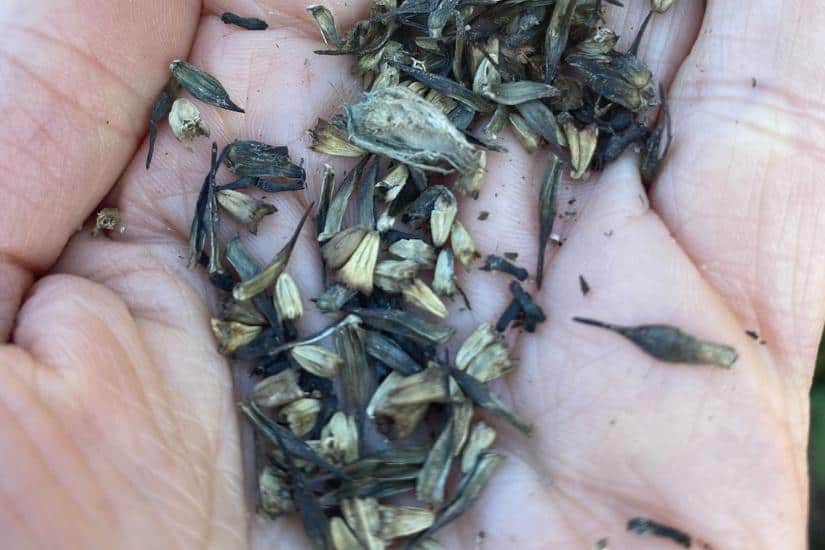
The Benefits of Echinacea Seeds for Your Garden
Echinacea, also known as coneflower, is a popular and versatile plant that can bring beauty and health benefits to your garden. While many gardeners opt to purchase mature echinacea plants from nurseries, growing echinacea from seeds can be a rewarding experience with its own set of advantages.
Benefits of Echinacea Seeds:
- Cost-Effective: Purchasing echinacea seeds is often more budget-friendly than buying mature plants. With a packet of seeds, you can grow multiple plants at a fraction of the cost.
- Variety: Growing echinacea from seeds allows you to explore a wide variety of colors and forms that may not be readily available in nurseries.
- Health Benefits: Echinacea is known for its immune-boosting properties. Having fresh echinacea flowers in your garden means you can harvest them for teas or tinctures to support your health.
- Sustainability: By growing echinacea from seeds, you reduce the environmental impact associated with transporting mature plants from nurseries.
- Educational Experience: Planting and nurturing echinacea seeds provides an educational opportunity to learn about the life cycle of these beautiful flowers and develop your gardening skills.
Tips for Growing Echinacea from Seeds:
- Sowing: Start by sowing echinacea seeds in well-draining soil in early spring or late fall. Press the seeds gently into the soil surface without covering them completely.
- Watering: Keep the soil consistently moist but not waterlogged until the seeds germinate, usually within 10-20 days.
- Sunlight: Echinacea thrives in full sun, so ensure your seedlings receive at least 6 hours of sunlight per day.
- Transplanting: Once your seedlings have developed several sets of true leaves, you can transplant them into individual pots or directly into your garden bed.
- Maintenance: Regularly water and fertilize your echinacea plants to promote healthy growth and vibrant blooms.
Growing echinacea from seeds is a fulfilling way to add color, biodiversity, and wellness benefits to your garden. Whether you’re a seasoned gardener or a beginner looking to expand your plant collection, consider starting with echinacea seeds for a rewarding gardening experience.
Your Guide to Growing Echinacea: Answers to 9 Common Questions About Planting and Caring for Echinacea Seeds
- 1. How do I plant echinacea seeds?
- 2. When is the best time to sow echinacea seeds?
- 3. How long does it take for echinacea seeds to germinate?
- 4. Do echinacea seeds require special treatment before planting?
- 5. What type of soil is best for growing echinacea from seeds?
- 6. Can I grow different varieties of echinacea from seeds?
- 7. How often should I water echinacea seedlings?
- 8. Are there any pests or diseases that affect echinacea grown from seeds?
- 9. How can I harvest and store echinacea seeds for future planting?
1. How do I plant echinacea seeds?
Planting echinacea seeds is a straightforward process that can yield beautiful and beneficial results in your garden. To plant echinacea seeds, start by sowing them in well-draining soil either in early spring or late fall. Gently press the seeds into the soil surface without burying them too deep. Keep the soil consistently moist until the seeds germinate, usually within 10-20 days. Echinacea plants thrive in full sun, so ensure they receive at least 6 hours of sunlight daily. Once your seedlings have developed several sets of true leaves, you can transplant them into individual pots or directly into your garden bed. Regular watering, fertilization, and maintenance will help your echinacea plants grow strong and produce vibrant blooms for you to enjoy.
2. When is the best time to sow echinacea seeds?
The best time to sow echinacea seeds is typically in early spring or late fall. Echinacea seeds benefit from a period of cold stratification, which mimics the natural conditions they would experience in the wild. By sowing the seeds in early spring, they have the opportunity to germinate and establish themselves during the growing season. Alternatively, planting echinacea seeds in late fall allows them to undergo stratification over the winter months and sprout when conditions become favorable in the spring. This timing helps ensure successful germination and healthy growth of your echinacea plants.
3. How long does it take for echinacea seeds to germinate?
Echinacea seeds typically take around 10 to 20 days to germinate. It is important to provide the seeds with consistent moisture and warmth during this period to support germination. By sowing echinacea seeds in well-draining soil and maintaining the right environmental conditions, you can expect to see the first signs of germination within a few weeks. Patience and proper care are key factors in successfully growing echinacea from seeds, leading to healthy seedlings that will eventually develop into beautiful coneflower plants in your garden.
4. Do echinacea seeds require special treatment before planting?
Echinacea seeds do not typically require special treatment before planting, but some gardeners may choose to stratify the seeds to improve germination rates. Stratification involves exposing the seeds to cold, moist conditions for a period of time to simulate winter conditions. This process can help break seed dormancy and promote more uniform germination. However, echinacea seeds can also be sown directly into well-draining soil without stratification, especially if planted in early spring or late fall when natural temperature fluctuations can aid in germination. Ultimately, the decision to stratify echinacea seeds depends on individual preferences and growing conditions.
5. What type of soil is best for growing echinacea from seeds?
When it comes to growing echinacea from seeds, the ideal soil type is well-draining and fertile. Echinacea plants thrive in soil that is rich in organic matter and has good drainage to prevent waterlogging, which can lead to root rot. A mix of loamy soil with added compost or peat moss can provide the perfect balance of nutrients and drainage for successful seed germination and plant growth. Ensuring that the soil pH is slightly acidic to neutral (around 6.0-7.0) will also support the healthy development of echinacea seeds into vibrant plants.
6. Can I grow different varieties of echinacea from seeds?
Yes, you can grow different varieties of echinacea from seeds. Growing echinacea from seeds offers the opportunity to explore a wide range of colors, forms, and characteristics that may not be readily available when purchasing mature plants. By selecting different echinacea seed varieties, you can create a diverse and visually stunning garden filled with unique coneflower blooms. Whether you prefer traditional purple hues or are interested in experimenting with vibrant oranges, pinks, and whites, growing echinacea from seeds allows you to customize your garden with a variety of exciting options.
7. How often should I water echinacea seedlings?
When caring for echinacea seedlings, it is essential to maintain consistent moisture levels in the soil without overwatering. Echinacea seedlings should be watered regularly to keep the soil evenly moist but not waterlogged. A good practice is to check the soil moisture by inserting your finger into the soil up to the first knuckle; if it feels dry, it’s time to water. Typically, watering echinacea seedlings every few days or when the top inch of soil is dry is sufficient to support their growth and development without risking root rot. Adjust watering frequency based on environmental conditions and the specific needs of your echinacea plants.
8. Are there any pests or diseases that affect echinacea grown from seeds?
Echinacea plants grown from seeds are generally resilient to pests and diseases, but they can still face some challenges. Common pests that may affect echinacea include aphids, spider mites, and Japanese beetles. These pests can be managed through regular monitoring and the use of organic insecticidal soaps or neem oil. As for diseases, echinacea plants grown from seeds may be susceptible to fungal infections such as powdery mildew or root rot if they are exposed to overly moist conditions. To prevent these issues, it is essential to provide proper air circulation, avoid overwatering, and ensure well-draining soil. By practicing good garden hygiene and monitoring your echinacea plants regularly, you can help them thrive and minimize the impact of pests and diseases.
9. How can I harvest and store echinacea seeds for future planting?
Harvesting and storing echinacea seeds for future planting is a straightforward process that ensures you can continue to grow these beautiful flowers season after season. To harvest echinacea seeds, wait until the flower heads have dried on the plant and the seeds are brown and firm. Gently shake the flower heads over a clean container to release the seeds. Store the seeds in a cool, dry place in an airtight container to maintain their viability. Properly stored echinacea seeds can remain viable for several years, allowing you to sow them in your garden whenever you’re ready for a new batch of vibrant coneflowers to bloom.