
Exploring Antirrhinum Seeds: A Guide to Growing Snapdragons
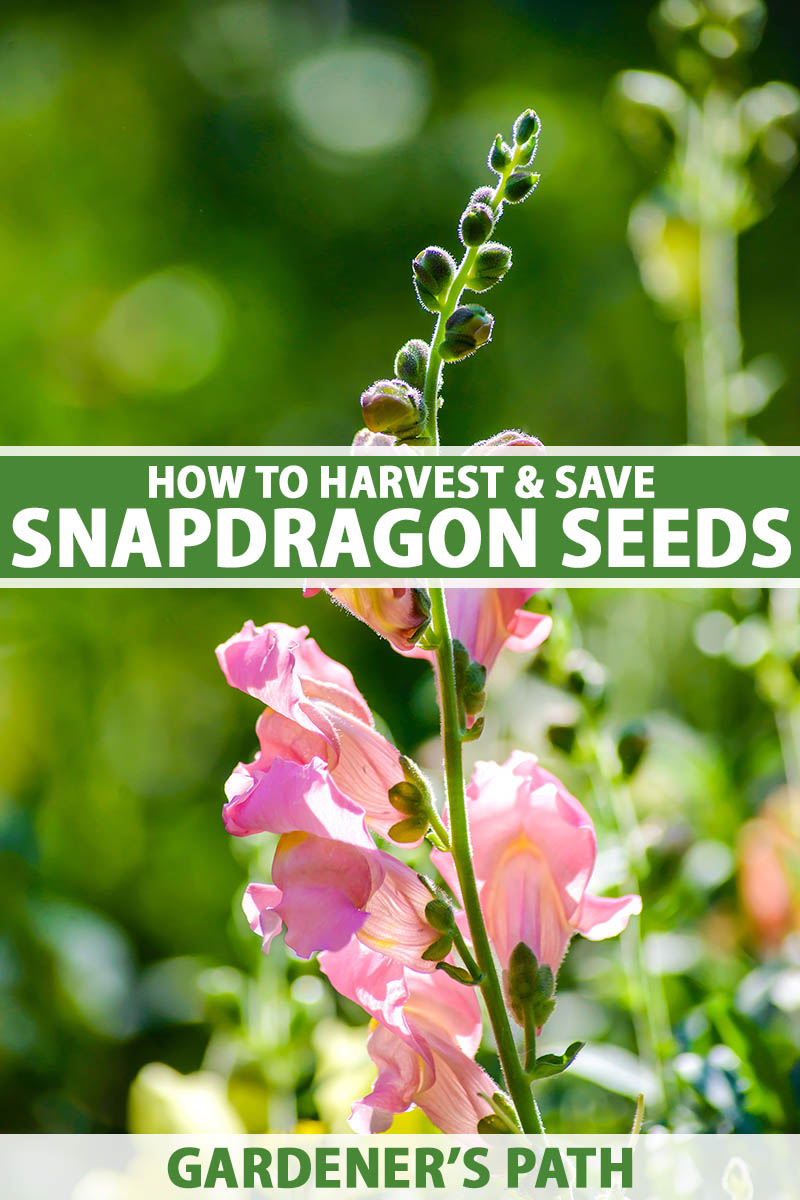
Antirrhinum seeds, commonly known as snapdragon seeds, are a popular choice for gardeners looking to add vibrant colors and unique shapes to their flower beds. These seeds produce plants with distinctive blooms that resemble the face of a dragon when gently squeezed, hence the name “snapdragon.”
When planting antirrhinum seeds, it is important to choose a sunny location with well-drained soil. These hardy plants thrive in full sun and can tolerate a variety of soil conditions, making them versatile additions to any garden.
To sow antirrhinum seeds, simply scatter them on the soil surface and lightly press them down. Water the seeds gently to avoid displacing them and keep the soil consistently moist until germination occurs. With proper care, you can expect to see seedlings emerge within 7-14 days.
Once your antirrhinum seedlings have established themselves, be sure to provide adequate spacing between plants to allow for proper air circulation and prevent overcrowding. Regular deadheading of spent blooms will encourage continuous flowering throughout the growing season.
Antirrhinum seeds come in a variety of colors, including vibrant hues of red, pink, purple, yellow, and white. Whether you choose a single color or opt for a mix of shades, snapdragons are sure to add visual interest and charm to your garden.
In addition to their ornamental value, snapdragons also attract pollinators such as bees and butterflies, making them beneficial companions for other plants in your garden. Their tall spikes of colorful flowers can be used as cut flowers in bouquets or floral arrangements.
Overall, antirrhinum seeds offer both beauty and functionality for gardeners seeking a versatile and eye-catching addition to their outdoor spaces. With proper care and attention, you can enjoy the delightful blooms of snapdragons throughout the gardening season.
Everything You Need to Know About Growing Antirrhinum Seeds: FAQs Answered
- 1. How do I plant antirrhinum seeds?
- 2. When is the best time to sow antirrhinum seeds?
- 3. What type of soil do antirrhinum seeds prefer?
- 4. How long does it take for antirrhinum seeds to germinate?
- 5. Do antirrhinums require special care once they have sprouted?
- 6. What are the different colors available in antirrhinum seeds?
- 7. Can antirrhinums be grown in containers or pots?
1. How do I plant antirrhinum seeds?
Planting antirrhinum seeds is a straightforward process that begins by selecting a sunny location with well-drained soil. Simply scatter the seeds on the soil surface and lightly press them down before gently watering to keep the soil consistently moist. Germination typically occurs within 7-14 days when provided with proper care. Once the seedlings emerge, ensure adequate spacing between plants for optimal growth and continuous flowering throughout the season by regularly deadheading spent blooms. Antirrhinum seeds come in a variety of vibrant colors, making snapdragons a charming and beneficial addition to any garden.
2. When is the best time to sow antirrhinum seeds?
The best time to sow antirrhinum seeds is typically in the early spring, after the last frost has passed. This timing allows the seeds to germinate in optimal conditions, with warm soil and increasing daylight hours promoting healthy growth. By starting your antirrhinum seeds indoors a few weeks before the last frost date or directly sowing them in well-prepared garden beds once the soil has warmed up, you can give your snapdragons a head start and ensure a successful growing season ahead.
3. What type of soil do antirrhinum seeds prefer?
Antirrhinum seeds prefer well-drained soil that is rich in organic matter. It is important to choose a planting location with soil that is not overly compacted, as good drainage is crucial for the healthy growth of snapdragon plants. Sandy loam or loamy soil types are ideal for antirrhinum seeds, as they provide a balance of moisture retention and drainage. Adding compost or organic matter to the soil before planting can help improve its quality and provide essential nutrients for the growing plants. By ensuring proper soil conditions, gardeners can help promote strong root development and vibrant blooms in their antirrhinum plants.
4. How long does it take for antirrhinum seeds to germinate?
Antirrhinum seeds typically take about 7 to 14 days to germinate under optimal conditions. It is important to provide a sunny location with well-drained soil and to keep the soil consistently moist during the germination period. By following these guidelines and providing proper care, gardeners can expect to see seedlings emerge within a week or two after sowing the antirrhinum seeds. Patience and attention to watering will help ensure successful germination and healthy growth of snapdragon plants in your garden.
5. Do antirrhinums require special care once they have sprouted?
Once antirrhinum seeds have sprouted, caring for these plants is relatively straightforward. It is essential to provide them with adequate sunlight, well-drained soil, and regular watering to ensure healthy growth. Deadheading spent blooms will promote continuous flowering, while providing sufficient spacing between plants allows for proper air circulation. Antirrhinums do not typically require special care once they have sprouted, but consistent attention to their basic needs will help them thrive and continue to grace your garden with their charming snapdragon blooms.
6. What are the different colors available in antirrhinum seeds?
Antirrhinum seeds, also known as snapdragon seeds, come in a wide range of vibrant colors to suit every gardener’s preferences. These colorful blooms can be found in shades of red, pink, purple, yellow, and white. Whether you prefer a monochromatic display or a mix of hues to create a diverse garden palette, there is a color variation of antirrhinum seeds to meet your aesthetic needs. With such a variety of colors available, gardeners can easily create stunning visual displays and add a pop of color to their outdoor spaces with these versatile and charming snapdragons.
7. Can antirrhinums be grown in containers or pots?
Antirrhinums, also known as snapdragons, can indeed be successfully grown in containers or pots. These versatile plants adapt well to container gardening, making them a great choice for those with limited garden space or wanting to add a pop of color to patios, balconies, or windowsills. When growing antirrhinums in containers, ensure the pots have good drainage and use a high-quality potting mix to provide adequate nutrients for healthy growth. Regular watering and occasional feeding will help maintain vibrant blooms throughout the growing season. With proper care, container-grown antirrhinums can thrive and bring joy with their charming flowers in various settings.