
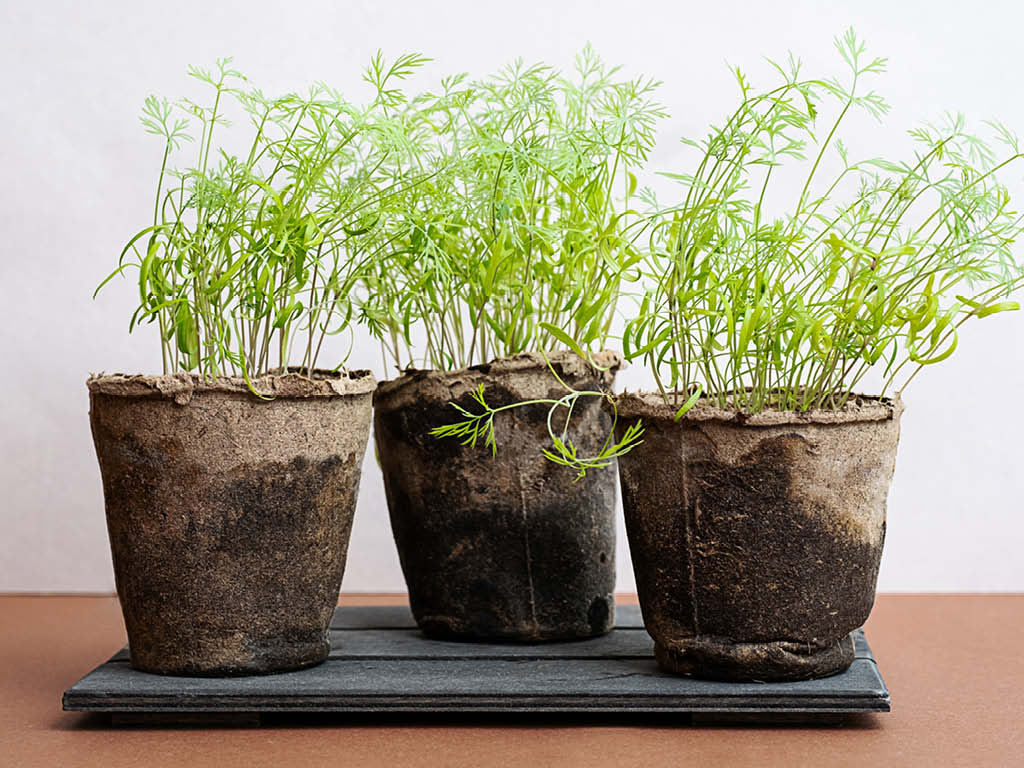
Growing Dill: A Guide to Cultivating Your Own Fresh Herbs
Dill is a versatile herb that not only adds flavor to your dishes but also brightens up your garden with its feathery foliage. Here is a comprehensive guide on how to grow dill in your own garden:
Planting Dill Seeds
Start by planting dill seeds directly into well-drained soil with plenty of sunlight. Dill thrives in full sun and prefers a light, sandy soil. Sow the seeds about ¼ inch deep and 18 inches apart to allow room for the plants to grow.
Caring for Dill Plants
Water your dill plants regularly, keeping the soil moist but not waterlogged. Fertilize the plants every few weeks with a balanced fertilizer to promote healthy growth. As dill grows tall, consider staking or providing support for the plants to prevent them from bending or breaking.
Harvesting Dill
You can start harvesting dill leaves once the plant reaches about 8 inches tall. Snip off the leaves as needed, being careful not to remove more than one-third of the plant at a time. For dill seeds, wait until the flowers have turned brown and dried out before harvesting the seed heads.
Using Fresh Dill
Fresh dill adds a burst of flavor to salads, soups, sauces, and fish dishes. You can also use dill in pickling recipes or as a garnish for various dishes. Store fresh dill in the refrigerator wrapped in a damp paper towel or freeze it for later use.
Conclusion
Growing dill in your garden is a rewarding experience that allows you to enjoy fresh herbs right at your fingertips. With proper care and maintenance, you can harvest dill leaves and seeds throughout the growing season and elevate your culinary creations with this aromatic herb.
8 Essential Tips for Successfully Growing Dill in Your Garden
- Plant dill in well-draining soil with full sunlight.
- Water dill regularly, keeping the soil consistently moist but not waterlogged.
- Thin out dill plants to allow proper air circulation and prevent overcrowding.
- Fertilize dill sparingly with a balanced fertilizer to promote healthy growth.
- Protect dill from strong winds as they can damage the delicate leaves.
- Harvest dill by cutting the outer leaves first to encourage continuous growth.
- Use mulch around dill plants to retain moisture and suppress weed growth.
- Rotate the location of dill in your garden yearly to prevent diseases and nutrient depletion.
Plant dill in well-draining soil with full sunlight.
To ensure successful growth of dill, it is crucial to plant it in soil that drains well and receives ample sunlight. Dill thrives in full sun conditions and requires soil that allows excess water to flow away easily. By choosing a sunny spot with well-draining soil, you provide dill plants with the ideal environment to flourish and produce an abundance of flavorful leaves and seeds.
Water dill regularly, keeping the soil consistently moist but not waterlogged.
To successfully grow dill, it is essential to water the plants regularly, ensuring that the soil remains consistently moist without becoming waterlogged. Dill thrives in well-drained soil that retains moisture but does not become soggy. By maintaining the right balance of moisture, you provide dill plants with the ideal growing conditions they need to flourish and produce flavorful leaves and seeds for your culinary endeavors.
Thin out dill plants to allow proper air circulation and prevent overcrowding.
To ensure healthy growth and optimal development of dill plants, it is essential to thin them out to promote proper air circulation and prevent overcrowding. By spacing out the dill plants adequately, you not only reduce the risk of diseases caused by poor ventilation but also provide each plant with ample space to thrive. Thinning out dill plants allows them to receive sufficient sunlight, water, and nutrients, resulting in stronger, more robust plants that are better equipped to produce an abundant harvest of flavorful leaves and seeds.
Fertilize dill sparingly with a balanced fertilizer to promote healthy growth.
To promote healthy growth of dill, it is recommended to fertilize the plants sparingly with a balanced fertilizer. By providing the right nutrients in moderation, you can support the development of robust dill plants that produce flavorful leaves and seeds. Over-fertilizing can lead to excessive foliage growth at the expense of flavor concentration, so a cautious approach to fertilization is key in cultivating thriving dill plants in your garden.
Protect dill from strong winds as they can damage the delicate leaves.
To ensure the healthy growth of your dill plants, it is essential to protect them from strong winds that can potentially damage their delicate leaves. By providing a sheltered location or using physical barriers to shield the plants from gusty winds, you can help maintain the integrity of the dill foliage and promote optimal growth. This simple precaution can go a long way in safeguarding your dill plants and ensuring a bountiful harvest of fresh herbs for culinary delights.
Harvest dill by cutting the outer leaves first to encourage continuous growth.
To ensure a steady supply of fresh dill throughout the growing season, it is recommended to harvest dill by cutting the outer leaves first. This practice not only allows you to enjoy the flavorful leaves for culinary purposes but also encourages the plant to produce new growth. By selectively trimming the outer leaves, you promote continuous growth and ensure a bountiful harvest of dill for your culinary creations.
Use mulch around dill plants to retain moisture and suppress weed growth.
To promote healthy growth and reduce maintenance, consider using mulch around your dill plants. Mulching helps retain moisture in the soil, ensuring that your dill plants have a consistent water supply. Additionally, mulch serves as a barrier to weed growth, minimizing competition for nutrients and allowing your dill to thrive without interference. By incorporating mulch into your gardening routine, you can create optimal conditions for your dill plants to flourish while keeping maintenance efforts to a minimum.
Rotate the location of dill in your garden yearly to prevent diseases and nutrient depletion.
To ensure the health and vitality of your dill plants, it is essential to rotate their location in your garden annually. By rotating the position of dill each year, you can prevent the buildup of diseases and depletion of nutrients in the soil. This practice helps maintain soil fertility, reduces the risk of pest infestations, and promotes overall plant health. Additionally, rotating dill ensures that each plant has access to fresh soil with adequate nutrients, allowing them to thrive and produce robust foliage for culinary use.