
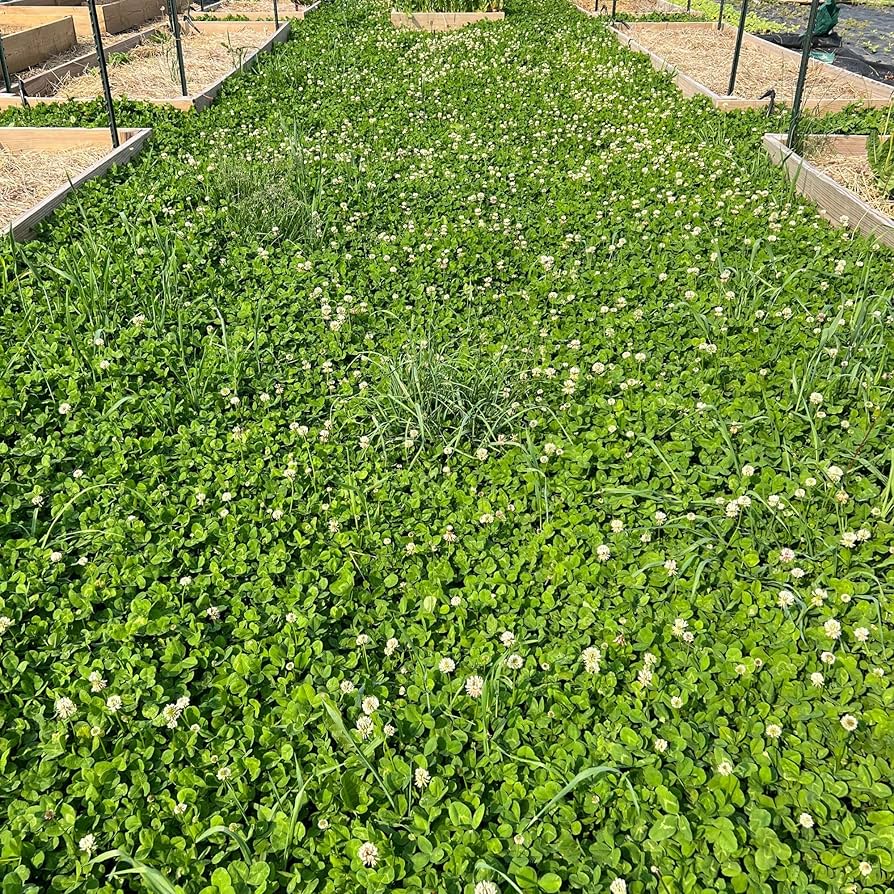
The Benefits of Planting Clover Lawn Seed
Are you looking for a low-maintenance and eco-friendly alternative to traditional grass lawns? Consider planting clover lawn seed! Clover lawns have been gaining popularity for their numerous benefits and sustainable nature.
Benefits of Clover Lawns:
- Drought Resistance: Clover is more drought-tolerant than grass, requiring less water to thrive.
- Nitrogen Fixation: Clover is a natural nitrogen fixer, enriching the soil with nutrients and reducing the need for chemical fertilizers.
- Weed Suppression: Dense clover growth helps to suppress weeds, reducing the need for herbicides.
- Attracts Pollinators: Clover flowers attract bees and other pollinators, supporting biodiversity in your yard.
- Low Maintenance: Clover lawns require less mowing than traditional grass lawns, saving time and effort.
Tips for Planting Clover Lawn Seed:
- Prepare the Soil: Ensure the soil is well-drained and free of weeds before planting clover seed.
- Sow the Seed: Broadcast clover seed evenly over the prepared soil and lightly rake to cover the seeds.
- Water Regularly: Keep the soil moist until the clover seedlings are established.
- Mow High: Maintain a higher mowing height to encourage healthy clover growth and discourage weeds.
In conclusion, planting clover lawn seed is a sustainable choice that offers numerous benefits for both your yard and the environment. Consider making the switch to a clover lawn for a greener, healthier outdoor space!
9 Essential Tips for Growing a Thriving Clover Lawn
- Choose a clover variety suitable for lawns, such as white clover or microclover.
- Prepare the soil by removing weeds and debris before planting clover seeds.
- Mix the clover seeds with sand to help distribute them evenly across the lawn area.
- Water the newly planted clover seeds regularly to keep the soil moist but not waterlogged.
- Mow the clover lawn at a higher setting to allow the clover plants to thrive and outcompete weeds.
- Fertilize the clover lawn sparingly, as clover is a nitrogen-fixing plant that doesn’t require much additional fertilizer.
- Consider overseeding your existing lawn with clover seeds for a gradual transition to a clover-rich lawn.
- Encourage pollinators by letting some areas of your clover lawn flower and bloom.
- Avoid using herbicides on your clover lawn, as they can harm beneficial insects and pollinators.
Choose a clover variety suitable for lawns, such as white clover or microclover.
When selecting clover seed for your lawn, it is essential to choose a variety that is well-suited for lawn environments. Varieties such as white clover or microclover are ideal choices for creating a lush and resilient clover lawn. These varieties are specifically bred for use in lawns, offering excellent coverage, durability, and aesthetic appeal. By opting for a clover variety tailored for lawn settings, you can ensure the success of your clover lawn project and enjoy all the benefits that clover has to offer in a residential landscape.
Prepare the soil by removing weeds and debris before planting clover seeds.
Preparing the soil by diligently removing weeds and debris before planting clover seeds is a crucial step in establishing a healthy and thriving clover lawn. By clearing the soil of competing plants and debris, you create an optimal environment for the clover seeds to germinate and grow successfully. This initial preparation sets the foundation for a lush and weed-free clover lawn, ensuring that your efforts yield beautiful results in the long run.
Mix the clover seeds with sand to help distribute them evenly across the lawn area.
To ensure even distribution of clover seeds across your lawn area, a helpful tip is to mix the clover seeds with sand before sowing. The sand acts as a carrier, making it easier to spread the seeds uniformly over the soil. This method not only helps prevent clumping of seeds but also aids in better coverage, promoting consistent germination and growth of clover plants throughout your lawn. By mixing the clover seeds with sand, you can achieve a more balanced and lush clover lawn with minimal effort.
Water the newly planted clover seeds regularly to keep the soil moist but not waterlogged.
To ensure successful germination and growth of newly planted clover seeds, it is essential to water them regularly while maintaining a balance. Keeping the soil consistently moist, but not waterlogged, is crucial for the seeds to establish strong roots and thrive. By providing adequate moisture without saturating the soil, you create optimal conditions for the clover seeds to sprout and develop into a lush and healthy lawn. Remember to monitor the soil moisture levels closely to support the growth of your clover lawn effectively.
Mow the clover lawn at a higher setting to allow the clover plants to thrive and outcompete weeds.
To ensure the success of your clover lawn, it is recommended to mow at a higher setting to promote the healthy growth of clover plants. By allowing the clover to thrive and spread out, you create a dense ground cover that can outcompete weeds, reducing the need for chemical herbicides. This simple adjustment in mowing height not only benefits the clover plants but also helps maintain a lush and weed-free lawn naturally.
Fertilize the clover lawn sparingly, as clover is a nitrogen-fixing plant that doesn’t require much additional fertilizer.
When maintaining a clover lawn, it is important to fertilize sparingly due to clover’s natural nitrogen-fixing ability. As a plant that enriches the soil with nitrogen, clover typically does not require much additional fertilizer to thrive. By limiting the use of fertilizers on your clover lawn, you can help preserve its natural balance and reduce the need for chemical inputs, promoting a healthier and more sustainable lawn environment.
Consider overseeding your existing lawn with clover seeds for a gradual transition to a clover-rich lawn.
Consider overseeding your existing lawn with clover seeds for a gradual transition to a clover-rich lawn. By incorporating clover seeds into your current grass lawn, you can introduce the benefits of clover while allowing it to gradually establish itself alongside the existing turf. This method offers a gentle and sustainable way to transform your lawn into a lush and eco-friendly space, reaping the advantages of clover without the need for a complete overhaul. Over time, the clover will spread and thrive, providing a natural and beautiful alternative to traditional grass lawns.
Encourage pollinators by letting some areas of your clover lawn flower and bloom.
Encouraging pollinators by allowing certain areas of your clover lawn to flower and bloom is a simple yet effective way to support biodiversity in your outdoor space. By letting the clover plants produce flowers, you provide valuable food sources for bees, butterflies, and other pollinators. This not only enhances the beauty of your lawn but also plays a crucial role in promoting the health of local ecosystems. Embracing the natural flowering process of clover can create a vibrant and dynamic habitat that benefits both your garden and the environment as a whole.
Avoid using herbicides on your clover lawn, as they can harm beneficial insects and pollinators.
It is important to avoid using herbicides on your clover lawn, as these chemicals can harm beneficial insects and pollinators that play a crucial role in maintaining a healthy ecosystem. Clover lawns naturally attract bees and other pollinators with their flowers, supporting biodiversity in your yard. By refraining from using herbicides, you can help protect these valuable insects and create a more sustainable environment for both your clover lawn and the surrounding ecosystem.