
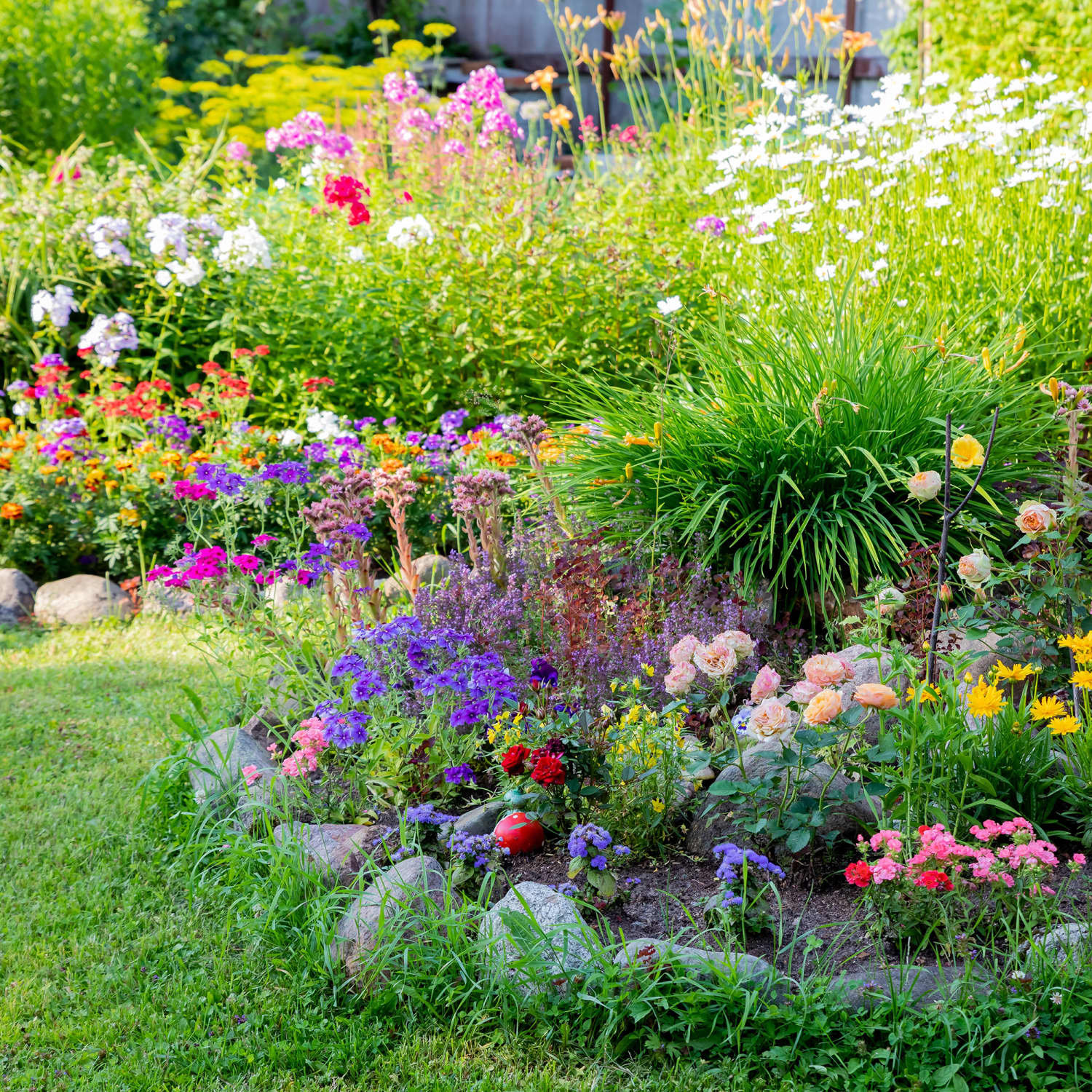
The Benefits of Plant Gardens: Enhancing Your Home and Health
Plant gardens are not just beautiful additions to your home; they also offer a wide range of benefits for your health and well-being. Whether you have a small balcony or a spacious backyard, creating a plant garden can have a positive impact on both your physical and mental health.
Health Benefits of Plant Gardens:
- Air purification: Plants help improve air quality by absorbing pollutants and releasing oxygen, creating a healthier environment for you to breathe in.
- Stress reduction: Gardening has been shown to reduce stress levels and promote relaxation, providing a therapeutic escape from the demands of daily life.
- Physical activity: Maintaining a plant garden involves physical tasks such as planting, watering, and weeding, which can help you stay active and improve your fitness levels.
Home Enhancement with Plant Gardens:
In addition to the health benefits, plant gardens can enhance the beauty and functionality of your home. Here are some ways in which plant gardens can transform your living space:
- Curb appeal: A well-maintained garden can boost the curb appeal of your home, making it more inviting and visually appealing.
- Outdoor living space: Plant gardens create outdoor spaces where you can relax, entertain guests, or enjoy meals surrounded by nature.
- Biodiversity: By planting a variety of flowers, herbs, fruits, and vegetables, you can attract beneficial insects and wildlife to your garden, creating a diverse ecosystem in your backyard.
Whether you are an experienced gardener or just starting out, plant gardens offer endless opportunities for creativity, self-expression, and connection with nature. So roll up your sleeves, grab some soil and seeds, and start reaping the many rewards that come with cultivating your own plant garden!
6 Benefits of Plant Gardens: Beauty, Health, and Creativity for Your Home
- Enhance the beauty of your home and outdoor space
- Provide a therapeutic and stress-relieving hobby
- Promote physical activity and improve fitness levels
- Contribute to better air quality by absorbing pollutants
- Support biodiversity by attracting beneficial insects and wildlife
- Offer opportunities for creativity and self-expression
Challenges of Plant Gardening: Common Drawbacks to Consider
- Pests and diseases can damage plants and require regular monitoring and treatment.
- Weeds can compete with garden plants for nutrients, water, and sunlight, leading to reduced growth.
- Climate conditions such as extreme temperatures or droughts can stress plants and affect their health.
- Maintenance tasks like watering, pruning, and fertilizing can be time-consuming and labor-intensive.
- Allergies to pollen or certain plant species may be triggered by exposure to plant gardens.
- Initial setup costs for tools, soil amendments, seeds, or plants can be a financial investment.
Enhance the beauty of your home and outdoor space
Plant gardens have the remarkable ability to enhance the beauty of your home and outdoor space. By carefully selecting and arranging plants, flowers, and landscaping elements, you can create a visually stunning environment that adds charm and character to your property. Whether you opt for a colorful flower bed, a lush green lawn, or a serene garden oasis, plant gardens have the power to transform any outdoor area into a vibrant and inviting space that you can enjoy and be proud of.
Provide a therapeutic and stress-relieving hobby
Plant gardens provide a therapeutic and stress-relieving hobby that offers a peaceful escape from the hustle and bustle of daily life. Engaging in gardening activities, such as planting, watering, and tending to plants, can have a calming effect on the mind and body. The act of nurturing living plants and watching them grow can be incredibly rewarding and fulfilling, promoting relaxation and reducing stress levels. Whether it’s digging in the soil, smelling the fragrant blooms, or simply enjoying the beauty of nature, plant gardens offer a serene sanctuary for individuals to unwind and rejuvenate their spirits.
Promote physical activity and improve fitness levels
Plant gardens offer a unique and enjoyable way to promote physical activity and enhance fitness levels. Engaging in gardening activities such as planting, watering, weeding, and harvesting not only helps to maintain a beautiful garden but also provides a natural form of exercise. The physical tasks involved in tending to a plant garden can help increase strength, flexibility, and endurance, contributing to improved overall fitness. By incorporating gardening into your routine, you can enjoy the dual benefits of cultivating a thriving garden while also staying active and healthy.
Contribute to better air quality by absorbing pollutants
Plant gardens play a crucial role in improving air quality by absorbing pollutants. Through the process of photosynthesis, plants take in harmful gases such as carbon dioxide, ozone, and volatile organic compounds, and release oxygen into the atmosphere. This natural purification process not only helps to reduce air pollution but also creates a healthier environment for us to breathe in. By incorporating plant gardens into our surroundings, we can actively contribute to cleaner air and promote better respiratory health for ourselves and future generations.
Support biodiversity by attracting beneficial insects and wildlife
Plant gardens play a crucial role in supporting biodiversity by attracting beneficial insects and wildlife. By planting a diverse range of flowers, herbs, fruits, and vegetables, gardeners create a welcoming habitat for pollinators like bees and butterflies, as well as natural predators that help control pest populations. This harmonious ecosystem not only enhances the health and resilience of the garden but also contributes to the overall biodiversity of the surrounding environment.
Offer opportunities for creativity and self-expression
Plant gardens offer opportunities for creativity and self-expression by providing a canvas for individuals to design and cultivate their own unique outdoor spaces. Whether it’s selecting a color palette of flowers, arranging plants in aesthetically pleasing patterns, or incorporating decorative elements like sculptures or pathways, gardening allows individuals to express their personal style and creativity. From choosing plant combinations that reflect their personality to experimenting with different garden layouts, plant gardens empower people to showcase their individuality and create a space that truly reflects who they are.
Pests and diseases can damage plants and require regular monitoring and treatment.
One significant drawback of plant gardens is the susceptibility to pests and diseases, which can inflict damage on plants and necessitate consistent monitoring and treatment. These unwelcome intruders can compromise the health and vitality of garden plants, leading to stunted growth, wilting leaves, and even plant death if left unchecked. Gardeners must invest time and effort in identifying pest or disease issues early on, implementing appropriate control measures, and maintaining a vigilant stance to protect their beloved plants from harm.
Weeds can compete with garden plants for nutrients, water, and sunlight, leading to reduced growth.
One significant drawback of plant gardens is the presence of weeds, which can pose a challenge to garden plants by competing for essential resources such as nutrients, water, and sunlight. As weeds thrive in various conditions and grow rapidly, they can quickly outcompete garden plants, resulting in reduced growth and overall health of the desired plants. Constant vigilance and proactive weed management strategies are necessary to prevent weeds from stifling the growth and productivity of plant gardens.
Climate conditions such as extreme temperatures or droughts can stress plants and affect their health.
Climate conditions, such as extreme temperatures or droughts, pose a significant challenge to plant gardens as they can stress plants and compromise their health. High temperatures can lead to wilting, sunburn, and decreased photosynthesis, while drought conditions can result in water stress and hinder the plant’s ability to absorb nutrients. These environmental factors not only impact the growth and development of plants but also increase their susceptibility to diseases and pests. Gardeners must be vigilant in monitoring weather patterns and implementing appropriate measures to protect their plant gardens from the adverse effects of climate conditions.
Maintenance tasks like watering, pruning, and fertilizing can be time-consuming and labor-intensive.
One drawback of plant gardens is the significant time and effort required to maintain them. Tasks such as watering, pruning, and fertilizing can be demanding and time-consuming, requiring consistent attention and effort to ensure the health and vitality of the plants. For individuals with busy schedules or limited physical capabilities, the labor-intensive nature of garden maintenance can pose a challenge and may deter them from fully enjoying the benefits of having a plant garden.
Allergies to pollen or certain plant species may be triggered by exposure to plant gardens.
Exposure to plant gardens can pose a con for individuals who have allergies to pollen or specific plant species. Pollen released by flowers and plants in gardens can trigger allergic reactions such as sneezing, runny nose, itchy eyes, and respiratory issues in susceptible individuals. Certain plants with high pollen counts or known allergenic properties may exacerbate these symptoms, making it challenging for allergy sufferers to enjoy spending time in plant-filled outdoor spaces. It is important for individuals with allergies to be cautious and take necessary precautions when engaging with plant gardens to minimize the risk of allergic reactions.
Initial setup costs for tools, soil amendments, seeds, or plants can be a financial investment.
One notable downside of plant gardens is the initial setup costs involved. Acquiring necessary tools, soil amendments, seeds, or plants can require a significant financial investment upfront. This expense may deter some individuals from starting their own garden, especially those on a tight budget or with limited resources. However, it’s important to consider the long-term benefits and savings that a well-maintained garden can provide over time, such as reduced grocery bills and improved mental and physical health through gardening activities.