
The Sweet and Crunchy Delight of Sugar Snap Pea Seeds
Sugar snap pea seeds are a popular choice for home gardeners looking to add a delicious and nutritious vegetable to their garden. These seeds produce a plant that yields sweet, crunchy pods that can be eaten fresh or cooked in a variety of dishes.
One of the great things about sugar snap pea seeds is that they are easy to grow, making them ideal for both beginner and experienced gardeners. They thrive in cooler weather and can be planted early in the spring for a bountiful harvest later in the season.
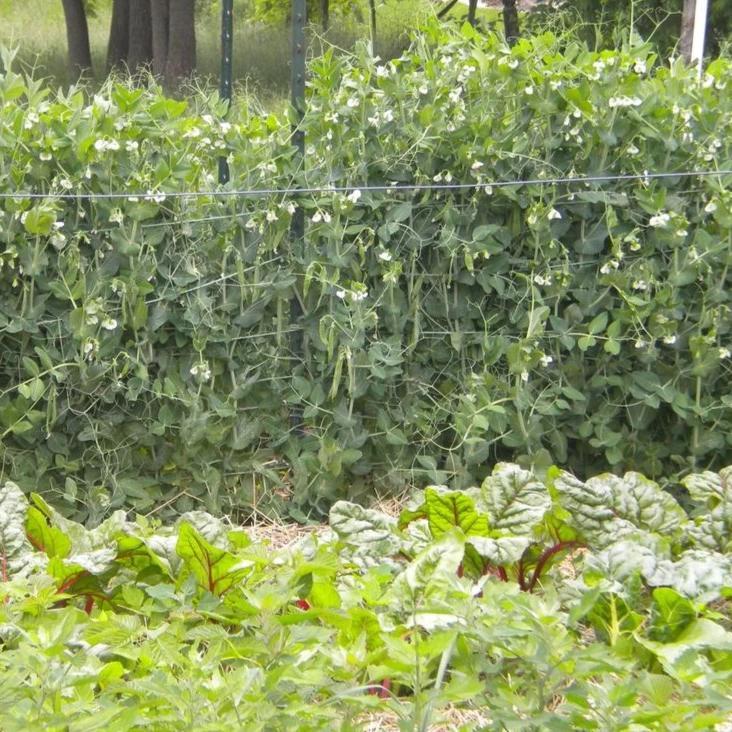
When planting sugar snap pea seeds, it’s important to provide them with well-draining soil and plenty of sunlight. These plants also benefit from support structures like trellises or stakes to help them climb as they grow.
Harvesting sugar snap peas is a rewarding experience. Simply wait until the pods are plump and the peas inside have developed fully. Pick them regularly to encourage more growth and enjoy them fresh off the vine or incorporate them into salads, stir-fries, or pasta dishes.
In addition to their delicious taste, sugar snap peas are packed with nutrients. They are rich in vitamins A, C, and K, as well as fiber and antioxidants. Including these crunchy veggies in your diet can help support overall health and wellness.
Whether you’re a seasoned gardener or just starting out, consider adding sugar snap pea seeds to your garden this season. Their easy cultivation, delectable flavor, and nutritional benefits make them a fantastic choice for any home garden.
7 Reasons to Plant Sugar Snap Pea Seeds: Easy Growth and Nutrient-Rich Harvests
- Easy to grow, ideal for beginner gardeners
- Produces sweet and crunchy pods for fresh eating
- Thrives in cooler weather, can be planted early in the spring
- Rich in vitamins A, C, and K, as well as fiber and antioxidants
- Can be incorporated into a variety of dishes like salads and stir-fries
- Regular harvesting promotes more growth throughout the season
- Provides a delicious and nutritious addition to home gardens
7 Challenges of Growing Sugar Snap Pea Seeds: From Pests to Proper Care
- Require regular watering to prevent drying out
- Susceptible to certain pests like aphids and powdery mildew
- May need support structures for optimal growth
- Can be affected by diseases such as root rot or fungal infections
- Limited shelf life once harvested, best enjoyed fresh
- Some varieties may have a shorter harvest window
- Overcrowding can lead to reduced yield and quality
Easy to grow, ideal for beginner gardeners
Sugar snap pea seeds are a fantastic choice for beginner gardeners due to their ease of cultivation. These seeds require minimal effort to grow successfully, making them an ideal starting point for those new to gardening. With simple care requirements and a forgiving nature, sugar snap pea seeds offer a low-stress introduction to the joys of growing your own fresh produce. Their resilience and adaptability make them a perfect addition to any novice gardener’s plot, providing a rewarding experience and delicious harvests with minimal hassle.
Produces sweet and crunchy pods for fresh eating
Sugar snap pea seeds offer the delightful advantage of producing sweet and crunchy pods that are perfect for fresh eating. The crisp texture and natural sweetness of these pods make them a delicious and healthy snack straight from the garden. Whether enjoyed on their own or added to salads or stir-fries, the fresh-picked flavor of sugar snap peas is a true delight for any palate.
Thrives in cooler weather, can be planted early in the spring
One of the standout advantages of sugar snap pea seeds is their ability to thrive in cooler weather conditions, making them an excellent choice for early spring planting. This characteristic allows gardeners to get a head start on their growing season and enjoy a plentiful harvest of sweet and crunchy peas before the heat of summer sets in. By being able to plant sugar snap pea seeds early, gardeners can maximize their yield and savor the fresh flavors of homegrown produce sooner in the year.
Rich in vitamins A, C, and K, as well as fiber and antioxidants
Sugar snap pea seeds offer a nutritional powerhouse, being rich in vitamins A, C, and K, along with fiber and antioxidants. These nutrients play a crucial role in supporting overall health and well-being. Vitamin A promotes good vision and immune function, vitamin C boosts the immune system and aids in collagen production, vitamin K is essential for blood clotting and bone health, while fiber supports digestion and antioxidants help protect cells from damage. Including sugar snap peas in your diet can be a tasty way to ensure you’re getting a variety of essential nutrients for optimal health.
Can be incorporated into a variety of dishes like salads and stir-fries
Sugar snap pea seeds offer the versatile advantage of being easily incorporated into a wide range of dishes, such as refreshing salads and flavorful stir-fries. Their crisp texture and sweet flavor make them a delightful addition to both raw and cooked recipes, adding a pop of freshness and nutrition to any meal. Whether tossed in a vibrant salad or quickly sautéed in a sizzling stir-fry, sugar snap peas bring a burst of color and taste that elevates the dish to a new level of culinary delight.
Regular harvesting promotes more growth throughout the season
Regular harvesting of sugar snap pea seeds is not only a delightful task for gardeners but also a beneficial practice that promotes more growth throughout the season. By consistently picking ripe pods, you encourage the plant to produce new flowers and pods, leading to a continuous supply of fresh peas. This cycle of harvesting stimulates the plant to keep producing, resulting in a longer and more abundant harvest period. Additionally, regular harvesting helps prevent overripening, ensuring that the peas maintain their optimal flavor and texture.
Provides a delicious and nutritious addition to home gardens
Sugar snap pea seeds offer a delightful combination of flavor and nutrition, making them a fantastic choice for home gardeners. Not only do they provide a delicious addition to meals with their sweet and crunchy pods, but they also pack a nutritional punch. Rich in vitamins and antioxidants, sugar snap peas are a wholesome option to incorporate into your diet while enjoying the satisfaction of growing your own fresh produce right in your backyard.
Require regular watering to prevent drying out
One challenge of growing sugar snap pea seeds is the need for consistent watering to prevent them from drying out. These plants have shallow roots and are sensitive to fluctuations in moisture levels, making it essential to keep the soil consistently moist throughout their growth cycle. Failure to provide adequate water can lead to stunted growth, poor pod development, and decreased yield. Gardeners must be diligent in monitoring soil moisture levels and ensuring that sugar snap pea plants receive regular watering to thrive and produce a bountiful harvest.
Susceptible to certain pests like aphids and powdery mildew
Sugar snap pea seeds, while a popular choice for home gardeners, are not without their challenges. One significant con is their susceptibility to pests such as aphids and diseases like powdery mildew. These pests can damage the plants and affect the quality of the harvest, requiring diligent monitoring and possibly the use of organic or chemical controls to manage infestations. Gardeners cultivating sugar snap pea seeds should be prepared to address these potential issues to ensure a successful growing season.
May need support structures for optimal growth
One potential downside of growing sugar snap pea seeds is that they may require support structures for optimal growth. These plants tend to vine and climb as they mature, so providing trellises or stakes can help support their growth and prevent them from sprawling on the ground. While this extra step may require some additional effort in setting up the support structures, it is essential for ensuring that the sugar snap pea plants grow upright and produce a plentiful harvest of sweet and crunchy pods.
Can be affected by diseases such as root rot or fungal infections
Sugar snap pea seeds, while a delightful addition to any garden, are not without their challenges. One significant drawback is their susceptibility to diseases such as root rot and fungal infections. These issues can arise due to factors like overwatering, poor soil drainage, or unfavorable weather conditions. It’s essential for gardeners to monitor their sugar snap pea plants closely, practice proper watering techniques, and maintain good garden hygiene to prevent the onset of these diseases and ensure a healthy crop yield.
Limited shelf life once harvested, best enjoyed fresh
One drawback of sugar snap pea seeds is their limited shelf life once harvested, as they are best enjoyed fresh. Due to their high water content and delicate nature, sugar snap peas tend to lose their crispness and sweetness relatively quickly after being picked. To fully savor the sweet and crunchy taste of sugar snap peas, it is recommended to consume them soon after harvesting, either raw or lightly cooked, to preserve their optimal flavor and texture.
Some varieties may have a shorter harvest window
One potential drawback of sugar snap pea seeds is that certain varieties may have a shorter harvest window. This means that the time period during which you can harvest ripe pods from these plants may be limited compared to other varieties. Gardeners need to be mindful of this characteristic when selecting sugar snap pea seeds to ensure they align with their desired harvest schedule and gardening goals. Planning ahead and choosing appropriate varieties can help mitigate this con and still allow for a successful and rewarding growing experience.
Overcrowding can lead to reduced yield and quality
Overcrowding can be a significant con when it comes to sugar snap pea seeds. Planting them too close together can lead to competition for resources like water, nutrients, and sunlight, ultimately resulting in reduced yield and compromised quality of the peas produced. Proper spacing is crucial to allow each plant to thrive and develop fully, ensuring a bountiful harvest of sweet and crunchy sugar snap peas. Careful attention to planting density is essential to avoid overcrowding and maximize the potential of these delicious garden gems.