
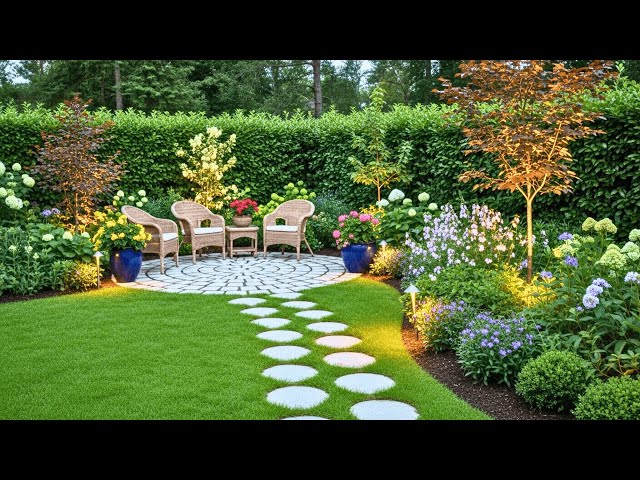
Transform Your Outdoor Space with Creative Backyard Landscaping Ideas
Creating a beautiful and functional backyard landscape can significantly enhance the overall look and feel of your outdoor space. Whether you have a small patio or a sprawling yard, there are endless possibilities to design a backyard that suits your style and needs.
Define Your Purpose
Before starting any landscaping project, consider how you want to use your backyard. Do you want a cozy space for relaxation, a vibrant garden for entertaining, or a playground for children? Understanding your purpose will help guide your design choices.
Plan Your Layout
Sketch out a rough layout of your backyard, including existing elements like trees, fences, and structures. Consider factors such as sunlight exposure, drainage, and privacy when planning the placement of different features like patios, flower beds, and seating areas.
Choose Plants Wisely
Select plants that thrive in your local climate and soil conditions. Incorporate a mix of trees, shrubs, flowers, and grasses to add color, texture, and interest to your landscape. Consider native plants that require less maintenance and support local wildlife.
Create Functional Spaces
Divide your backyard into functional zones based on your needs. Designate areas for dining, lounging, gardening, or playing to make the most of your outdoor space. Use hardscaping elements like pathways, pergolas, or fire pits to define different areas.
Add Personal Touches
Showcase your personality by adding unique elements to your backyard landscape. Consider incorporating art pieces, decorative lighting, water features, or outdoor furniture that reflect your style and create a welcoming atmosphere for outdoor gatherings.
Maintain Regularly
Maintaining your backyard landscape is essential to keep it looking its best year-round. Regularly prune plants, mow the lawn, weed flower beds, and clean hardscaping surfaces to ensure that your outdoor space remains healthy and inviting.
With careful planning and creativity, you can transform your backyard into a stunning oasis that complements your lifestyle and enhances the beauty of your home.
Top 8 FAQs for Transforming Your Backyard Landscape
- 1. How do I design a small backyard landscape?
- 2. What are some low-maintenance plants for backyard landscaping?
- 3. How can I create privacy in my backyard with landscaping?
- 4. What are the best materials for building a patio in my backyard?
- 5. How do I incorporate sustainable practices into my backyard landscaping?
- 6. What are some budget-friendly ideas for sprucing up my backyard landscape?
- 7. How do I deal with drainage issues in my backyard landscaping?
- 8. Are there any local regulations or permits required for certain backyard landscaping projects?
1. How do I design a small backyard landscape?
Designing a small backyard landscape requires thoughtful planning to maximize space and create a functional and visually appealing outdoor retreat. Start by defining your priorities and needs for the space, such as seating areas, greenery, or entertaining space. Utilize vertical elements like trellises or hanging plants to add interest without taking up valuable ground space. Opt for multipurpose furniture that can serve different functions, such as storage benches or foldable tables. Incorporate strategic lighting to enhance the ambiance and make the space feel larger. By carefully considering layout, plant selection, and design elements, you can transform your small backyard into a cozy oasis that feels spacious and inviting.
2. What are some low-maintenance plants for backyard landscaping?
When considering low-maintenance plants for backyard landscaping, it’s beneficial to choose species that require minimal care and upkeep while still adding beauty to your outdoor space. Some popular options include succulents like sedum and agave, which are drought-tolerant and thrive in various climates. Ornamental grasses such as fountain grass and blue fescue are also excellent choices as they add texture and movement to the landscape with little maintenance required. Native plants like coneflowers and black-eyed Susans are not only easy to grow but also attract pollinators, contributing to a vibrant ecosystem in your backyard. By incorporating these low-maintenance plants into your landscaping design, you can enjoy a beautiful garden with less time and effort spent on maintenance tasks.
3. How can I create privacy in my backyard with landscaping?
Creating privacy in your backyard through landscaping is a common goal for many homeowners seeking to enjoy a secluded outdoor retreat. There are several effective ways to achieve privacy using landscaping techniques. Planting tall trees, such as evergreens or bamboo, along the perimeter of your yard can create a natural barrier that blocks views from neighboring properties. Installing trellises with climbing vines or shrubs can also add vertical interest while providing additional coverage. Incorporating dense shrubs, ornamental grasses, or strategic placement of potted plants can further enhance privacy and create a tranquil atmosphere in your backyard sanctuary.
4. What are the best materials for building a patio in my backyard?
When considering the best materials for building a patio in your backyard, several factors come into play. Popular options include concrete, pavers, natural stone, and wood. Concrete is a versatile and cost-effective choice that can be stamped or stained for added visual appeal. Pavers offer a wide range of colors and patterns, allowing for creative designs and easy replacement of damaged pieces. Natural stone like flagstone or slate provides a timeless and elegant look but may require more maintenance. Wood decks are warm and inviting but need regular sealing to protect against weathering. Ultimately, the best material for your patio will depend on your budget, aesthetic preferences, maintenance capabilities, and the overall design of your backyard landscape.
5. How do I incorporate sustainable practices into my backyard landscaping?
Incorporating sustainable practices into your backyard landscaping is a great way to create a more eco-friendly outdoor space. You can start by choosing native plants that require less water and maintenance, thus reducing the need for chemical fertilizers and pesticides. Implementing a rainwater harvesting system can help conserve water resources, while using organic mulch can improve soil health naturally. Additionally, consider installing energy-efficient outdoor lighting and using recycled materials for hardscaping projects to minimize environmental impact. By embracing sustainable practices in your backyard landscaping, you can create a beautiful and environmentally responsible outdoor oasis.
6. What are some budget-friendly ideas for sprucing up my backyard landscape?
When looking for budget-friendly ideas to spruce up your backyard landscape, consider starting with simple yet impactful changes. Opt for DIY projects like creating a flower or vegetable garden using recycled materials, such as pallets or containers. Adding mulch or gravel pathways can define spaces and add visual interest without breaking the bank. Upcycling old furniture or decor items with a fresh coat of paint can breathe new life into your outdoor space. Incorporating low-maintenance plants and focusing on strategic placement to enhance your backyard’s aesthetic appeal while keeping costs down. With a bit of creativity and resourcefulness, you can achieve a refreshed and inviting backyard landscape without overspending.
7. How do I deal with drainage issues in my backyard landscaping?
Addressing drainage issues in your backyard landscaping is crucial to prevent water pooling, soil erosion, and potential damage to plants and structures. To tackle this common concern, consider implementing solutions such as installing French drains, creating swales or berms to redirect water flow, or adding permeable paving materials to allow water to seep into the ground. Proper grading of your yard can also help direct water away from problem areas. Consulting with a landscaping professional can provide tailored recommendations based on your specific drainage challenges and landscape layout. By taking proactive steps to manage drainage effectively, you can ensure a healthy and sustainable backyard environment for your plants and outdoor living spaces.
8. Are there any local regulations or permits required for certain backyard landscaping projects?
When embarking on backyard landscaping projects, it is essential to consider local regulations and permits that may be required for certain activities. Depending on your location, there may be specific guidelines regarding the installation of structures, such as sheds, decks, or fences, as well as limitations on tree removal or modifications to natural landscapes. It is advisable to check with your local municipality or homeowners’ association to ensure compliance with any regulations and obtain necessary permits before proceeding with your backyard landscaping plans. By staying informed and following local guidelines, you can avoid potential issues and create a beautiful outdoor space within legal boundaries.