
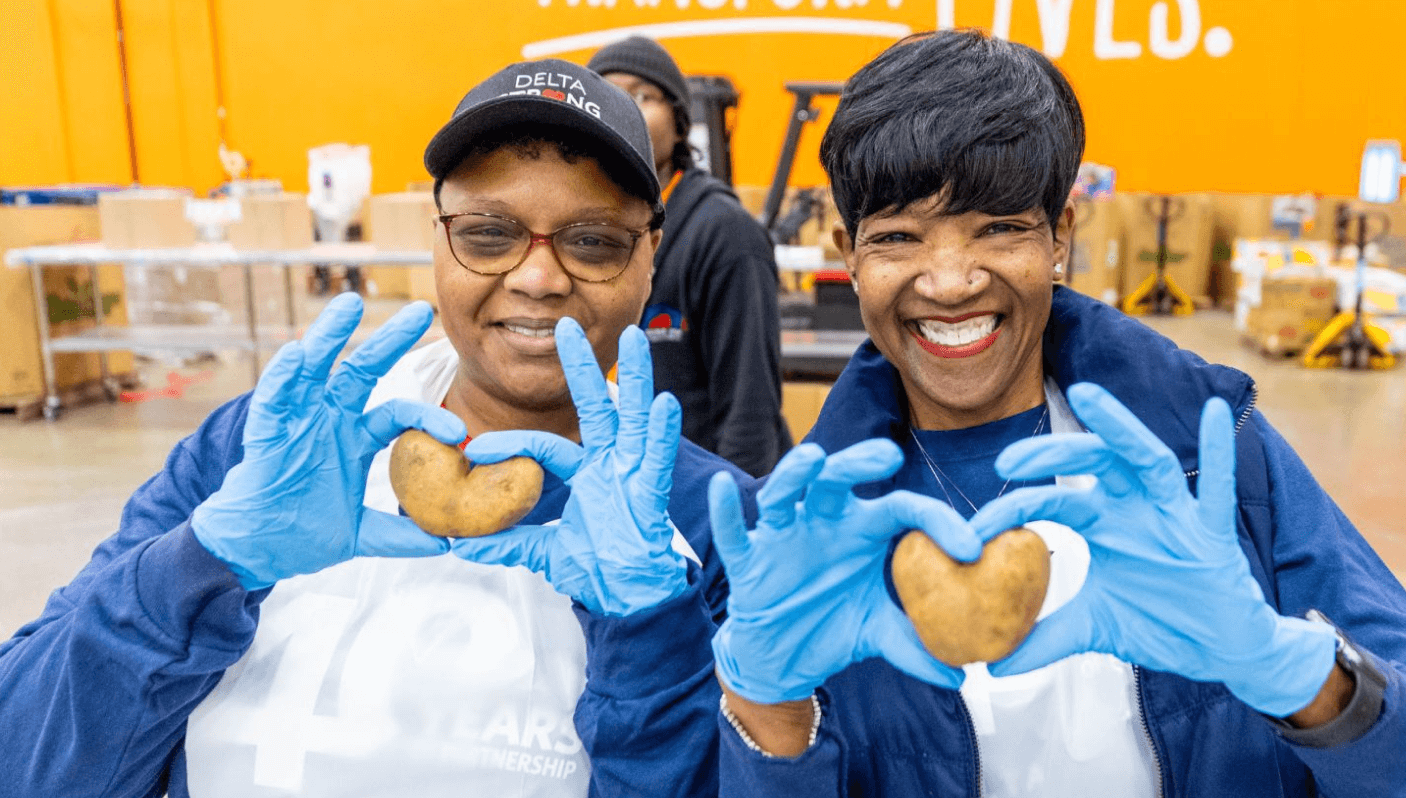
How to Volunteer at a Food Pantry
Food pantries help individuals and families access groceries when they need extra support. Behind every distribution are volunteers who sort donations, organize shelves, prepare food boxes, and welcome visitors. Giving a few hours of your time can help make nutritious food more accessible in your community.
What Food Pantry Volunteers Do
Volunteer tasks vary by pantry and may include:
- Sorting donated food and checking dates and packaging
- Stocking shelves and organizing storage areas
- Packing grocery bags or boxes for distribution
- Greeting visitors and helping them find what they need
- Collecting donations or assisting with community food drives
- Helping with deliveries, recordkeeping, or cleanup
Some pantries also welcome volunteers with special skills, such as gardening, cooking, translation, or administrative experience. Ask the pantry what support is most useful before planning a project or bringing donations.
Getting Started
Look for a food pantry operated by a community organization, house of worship, or local social service agency. Check its website or contact the volunteer coordinator to learn about current needs, available shifts, age requirements, and any orientation or training. Pantries may have limited space, so signing up in advance is often important.
Before your first shift, ask what to wear and whether you should bring anything. Comfortable clothing and closed-toe shoes are usually practical. Follow the pantry’s instructions for food safety, privacy, and respectful communication. Visitors should be treated with courtesy and without judgment.
Ways to Make Your Help Count
Consistency is valuable. A regular volunteer can help a pantry plan its schedule and serve visitors reliably. If you can only volunteer occasionally, that can still make a difference—especially during busy seasons or food drives.
When donating food, check the pantry’s wish list first. Many organizations need shelf-stable staples, but storage space and community needs vary. Fresh produce can also be welcome when the pantry has the capacity to receive and distribute it safely. Coordinate with staff before bringing homegrown fruits or vegetables.
Food pantry volunteering is a practical way to support neighbors and strengthen a community. Whether you sort donations, pack groceries, or lend a specialized skill, your time can help ensure that more people have access to food and a welcoming place to turn for support.
9 Reasons to Volunteer at a Food Pantry: Make a Difference and Strengthen Your Community
- Helps neighbors access food.
- Strengthens the local community.
- Makes a meaningful difference.
- Offers flexible volunteer shifts.
- Builds teamwork skills.
- Creates connections with others.
- Supports families facing hardship.
- Requires no special experience.
- Brings purpose to your free time.
Challenges of Volunteering at a Food Pantry: Time, Physical Demands, Limited Openings, and Emotional Strain
- Volunteer shifts may require a regular time commitment.
- The work can be physically demanding.
- Pantries may have limited volunteer openings.
- Some tasks can be emotionally challenging.
Helps neighbors access food.
Volunteering at a food pantry helps neighbors access the food they need. By sorting donations, packing grocery bags, and assisting with distributions, volunteers help pantry staff serve more people efficiently and create a welcoming experience for individuals and families seeking support.
Strengthens the local community.
Volunteering at a food pantry strengthens the local community by bringing neighbors together to support one another. Volunteers help make food more accessible to people facing hardship while creating welcoming connections built on kindness and respect. This shared effort can inspire others to get involved, build trust among residents, and create a stronger, more caring community.
Makes a meaningful difference.
Volunteering at a food pantry makes a meaningful difference by helping neighbors access food and feel supported during challenging times. Every task—from sorting donations to preparing grocery bags—helps the pantry serve more people with care and dignity. Even a few hours can ease the workload for staff and volunteers while bringing essential groceries to families who need them.
Offers flexible volunteer shifts.
Food pantry volunteering often offers flexible shifts, making it easier to fit community service into a busy schedule. Many pantries need help at different times for sorting donations, preparing food boxes, or assisting during distributions, so volunteers may be able to choose a shift that works around school, work, or family commitments. Even volunteering occasionally or for a few hours can provide valuable support to neighbors in need.
Builds teamwork skills.
Volunteering at a food pantry helps build teamwork skills by bringing people together to meet shared goals. Volunteers coordinate tasks such as sorting donations, packing grocery bags, and assisting visitors, while communicating clearly and adapting to changing needs. Working alongside others also encourages patience, reliability, and respect—skills that are valuable in the community, at school, and in the workplace.
Creates connections with others.
Volunteering at a food pantry creates meaningful connections with people across your community. As you work alongside other volunteers, staff, and visitors, shared tasks can lead to new friendships and a stronger sense of belonging. These interactions also offer a chance to learn from others, exchange ideas, and build relationships grounded in kindness and mutual support.
Supports families facing hardship.
Volunteering at a food pantry helps support families facing hardship by making groceries and other essential items more accessible. Volunteers sort donations, prepare food packages, and assist with distribution, helping pantry staff serve more people efficiently and with care. Their time and kindness can ease some of the stress families experience when household budgets are tight and remind them that their community is ready to help.
Requires no special experience.
Volunteering at a food pantry usually requires no special experience—just a willingness to help. Many tasks, such as sorting donations, stocking shelves, packing grocery bags, or welcoming visitors, can be learned with simple instructions from pantry staff. This makes food pantry volunteering an approachable way for people of different ages and backgrounds to support their community.
Brings purpose to your free time.
Volunteering at a food pantry gives your free time a meaningful purpose. Instead of letting a few spare hours pass by, you can use them to sort donations, pack groceries, or welcome neighbors seeking support. Knowing that your time helps connect people with food can make volunteering rewarding and leave you feeling more connected to your community.
Volunteer shifts may require a regular time commitment.
One potential drawback of volunteering at a food pantry is that shifts may require a regular time commitment. Pantries rely on dependable volunteers to sort donations, prepare food, and serve visitors, so some roles require showing up at the same time each week or month. This schedule can be difficult to manage alongside work, school, caregiving, or other responsibilities. Before signing up, ask about shift frequency, length, and flexibility to find an arrangement that works for you.
The work can be physically demanding.
Volunteering at a food pantry can be physically demanding, especially during busy distribution days. Tasks may involve standing for long periods, lifting boxes, carrying grocery bags, or repeatedly bending and reaching while sorting and stocking food. The physical requirements vary by pantry, so volunteers should ask about the duties in advance, wear comfortable closed-toe shoes, and let the coordinator know if they need an adjustment or a task with lighter physical demands.
Pantries may have limited volunteer openings.
One challenge of volunteering at a food pantry is that openings may be limited. Pantries often have small workspaces, fixed shift schedules, and more people interested in helping than they can accommodate at once. You may need to sign up in advance, join a waitlist, or be flexible about when you volunteer. Contacting the pantry to ask about future needs or occasional events can help you find another opportunity to contribute.
Some tasks can be emotionally challenging.
Some food pantry volunteer tasks can be emotionally challenging. Hearing about the hardships people face or seeing the effects of food insecurity may feel overwhelming, especially for volunteers who regularly interact with visitors. It can help to remember that offering practical support with kindness and respect makes a meaningful difference, while also taking breaks and talking with a coordinator when a shift feels difficult.