
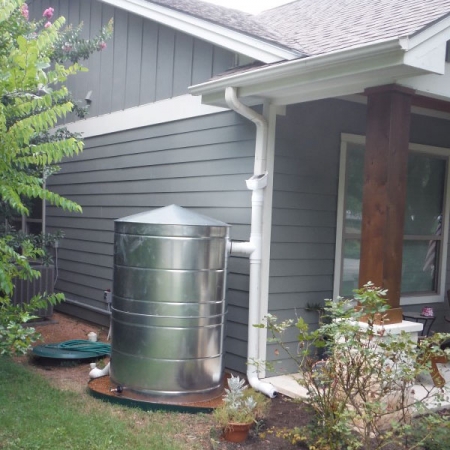
Harvesting Rainwater Systems: A Practical Guide for Home Gardeners
Rainwater harvesting is the practice of collecting and storing rain for later use. For gardeners, a simple system can provide a convenient source of water for flowers, trees, and vegetable beds while helping reduce demand on treated drinking water. A rain barrel beside a downspout is one of the easiest ways to get started, while larger properties may benefit from linked barrels or a storage cistern.
How a Rainwater Harvesting System Works
Most residential systems collect water that runs off a roof. Gutters and downspouts direct it through a screen or filter and into a covered storage container. A tap, hose, or pump then makes the stored water available for garden use. An overflow outlet sends excess water away when the container is full.
A basic system includes:
- A catchment surface: Usually a roof in good condition.
- Gutters and downspouts: These direct rainwater toward the storage container.
- Screening and filtration: Screens help keep leaves, insects, and larger debris out.
- Storage: A covered rain barrel or cistern holds the water.
- An overflow route: This safely carries extra water away from the home’s foundation.
- A way to use the water: A spigot, hose, watering can, or pump can supply the garden.
Choosing the Right System
A rain barrel is a good starting point for a small garden. It is relatively simple to install and can be placed under a downspout near the plants that need watering. Several barrels can be connected to increase storage, provided they are installed on a stable, level base and have adequate overflow capacity.
A cistern holds more water and may suit a larger garden or a property with greater water needs. Cisterns can be above or below ground and may require a pump, professional installation, and more planning. Before choosing a system, consider available space, the amount of water you expect to use, your budget, and how easily you can access the stored water.
Estimating How Much Water You Can Collect
The amount of water available depends on rainfall, roof area, and how efficiently the system captures runoff. As a rough estimate, one inch of rain falling on 1,000 square feet of roof can produce about 600 gallons before losses from splashing, evaporation, and system design. Actual collection will be lower, so storage capacity and overflow planning matter.
Rainwater harvesting usually works best as a supplement to other watering methods. A barrel may fill quickly during a storm and run empty during a dry stretch. Use stored water thoughtfully, especially during extended dry weather, and follow local watering guidance.
Installation and Placement
Place a rain barrel on a firm, level base designed to support its full weight. Water is heavy: a 50-gallon barrel can weigh more than 400 pounds when full. A raised platform can make it easier to fill a watering can, but it must be sturdy and stable.
Choose a location that allows water to overflow away from the home’s foundation, walkways, and neighboring properties. Keep the container covered, secure it against tipping, and make sure children and pets cannot access open water. Do not connect a rainwater system directly to household plumbing unless it is designed and installed to meet applicable plumbing and safety requirements.
Keeping Stored Rainwater Clean
Rainwater collected from a roof is not necessarily clean enough to drink. It may pick up bird droppings, pollen, leaves, roofing materials, and other contaminants. Use untreated harvested rainwater for appropriate outdoor purposes, such as watering ornamental plants. For edible crops, use care to keep water off the parts that will be eaten, and check local public health guidance for recommendations.
To maintain good water quality:
- Keep gutters and roof surfaces clear of leaves and debris.
- Use screens on gutters, inlets, and openings.
- Consider a first-flush diverter, which directs some of the initial roof runoff away from the storage tank.
- Keep the barrel tightly covered to block sunlight, debris, and mosquitoes.
- Clean the container and screens periodically according to the manufacturer’s instructions.
Preventing Mosquitoes and Managing Overflow
Standing water can attract mosquitoes if containers are open or poorly screened. Use a sealed lid, cover every opening with fine mesh, and repair damaged screens promptly. Empty or clean the system as needed, and do not allow water to collect in nearby objects such as saucers, buckets, or clogged gutters.
Every system needs a reliable overflow outlet. Direct overflow to a suitable area where it can soak into the ground without causing erosion, flooding, or water intrusion. Avoid directing it onto a neighbor’s property or toward a building foundation. If the site has drainage problems, consult a qualified professional before installing a larger system.
Seasonal Care
In colder climates, including New Jersey, prepare rain barrels for freezing weather. Follow the manufacturer’s guidance, which may include disconnecting the downspout, draining the barrel, and storing it upside down or indoors. Water left in a full container can freeze and damage the barrel or fittings.
In spring, inspect the barrel, connections, screens, and overflow line before reconnecting the system. Clear the gutters and make sure water can drain safely.
Check Local Requirements
Rules for rainwater systems can vary by municipality and by system size or design. Before installing a large cistern, making changes to drainage, or connecting a system to plumbing, check with your local municipality and relevant state or county agencies. Also review any requirements that apply to your property, such as homeowners’ association rules.
A Useful Addition to a Water-Wise Garden
Harvesting rainwater can make garden watering more convenient and help gardeners make better use of rainfall. A well-maintained barrel or cistern will not replace every source of irrigation, but it can provide a helpful reserve during dry periods. Pair rainwater collection with practices such as mulching, choosing plants suited to local conditions, and watering deeply when needed to make the most of every drop.
9 Advantages of Harvesting Rainwater: Saving Money, Water, and the Environment
- Reduces reliance on municipal water.
- Lowers outdoor water bills.
- Provides water during dry spells.
- Captures runoff from roofs.
- Helps reduce stormwater runoff.
- Supplies water for gardens and landscapes.
- Can be simple and affordable to install.
- Makes efficient use of a natural resource.
- Supports water-wise gardening.
Challenges of Rainwater Harvesting: High Costs, Maintenance Needs, and Supply Limitations
- Upfront installation costs can be high.
- Stored water may require regular cleaning and maintenance.
- Rainwater supplies can run low during dry periods.
Reduces reliance on municipal water.
Harvesting rainwater can reduce reliance on municipal water by providing a supplemental source for outdoor tasks such as watering gardens, washing tools, and cleaning patios. Using stored rainwater for these purposes can lower household demand for treated drinking water, particularly during the growing season. The amount saved depends on rainfall, storage capacity, and water use, but even a simple rain barrel can make a useful difference.
Lowers outdoor water bills.
Harvesting rainwater can lower outdoor water bills by providing a free source of water for gardens, lawns, and other landscaping. Instead of relying entirely on treated tap water to irrigate plants or wash outdoor areas, homeowners can use rainwater stored in barrels or cisterns. The savings may be especially noticeable during warm, dry months when outdoor water use increases.
Provides water during dry spells.
Harvesting rainwater provides a useful reserve during dry spells, when rainfall is scarce and gardens may need extra watering. Water collected during storms can be stored in a covered rain barrel or cistern and used later for flowers, trees, and other landscape plants. Although the supply depends on rainfall and storage capacity, having rainwater on hand can help gardeners bridge dry periods and reduce reliance on treated tap water.
Captures runoff from roofs.
Harvesting rainwater systems capture runoff from roofs that would otherwise flow into gutters, storm drains, or the surrounding landscape. By directing this water into a barrel or cistern, homeowners can store it for later use in gardens and other outdoor areas. This makes practical use of rainfall while helping reduce the amount of runoff leaving the property.
Helps reduce stormwater runoff.
Harvesting rainwater helps reduce stormwater runoff by capturing roof water before it flows across driveways, sidewalks, and other hard surfaces. Storing some of that water for later use can ease pressure on storm drains during heavy rain and may help limit erosion and the movement of pollutants into nearby waterways. Directing any overflow to a suitable area where it can soak into the ground further supports responsible rainwater management.
Supplies water for gardens and landscapes.
Harvesting rainwater provides a convenient source of water for gardens and landscapes. Stored rain can be used to water flowers, trees, lawns, and vegetable beds, helping reduce reliance on municipal water, especially during dry spells. Because rain barrels and cisterns keep water close to where it is needed, they can also make routine garden watering easier.
Can be simple and affordable to install.
One of the advantages of harvesting rainwater is that a system can be simple and affordable to install. A basic setup may require only a rain barrel, a stable base, and a connection to an existing downspout. With a covered barrel and proper screening, homeowners can start collecting water for garden use without investing in a complex system. As needs grow, additional barrels or other components can be added over time.
Makes efficient use of a natural resource.
Harvesting rainwater makes efficient use of a natural resource that would otherwise flow off roofs and into storm drains. By collecting and storing it for garden use, homeowners can make the most of rainfall, reduce reliance on treated tap water, and have a handy supply for plants during dry periods.
Supports water-wise gardening.
Harvesting rainwater supports water-wise gardening by giving gardeners a local water source for plants when rainfall is limited. Using collected rain for irrigation can reduce reliance on treated tap water and encourage thoughtful watering habits. Paired with mulching, suitable plant choices, and efficient irrigation, a rainwater system helps make every drop go further.
Upfront installation costs can be high.
One drawback of rainwater harvesting systems is the upfront installation cost. Even a basic setup may require a rain barrel, sturdy platform, screens, gutter modifications, and overflow piping, while larger cistern systems can involve pumps, filters, excavation, and professional installation. These expenses can make it harder for homeowners to get started, although a simple system can be added gradually and may help reduce outdoor water use over time.
Stored water may require regular cleaning and maintenance.
Stored rainwater systems require regular cleaning and maintenance to keep water usable and equipment working properly. Leaves, sediment, and other debris can build up in gutters, screens, filters, and barrels, while neglected containers may become breeding grounds for mosquitoes. Periodically inspect and clean the system, clear the gutters, check screens and connections, and make sure overflow drains properly. This upkeep takes time, but it helps protect water quality and extend the life of the system.
Rainwater supplies can run low during dry periods.
One limitation of rainwater harvesting is that supplies can run low during extended dry periods. A storage tank may fill quickly after a storm, but continued watering can empty it before the next rainfall, especially in hot weather or during peak growing season. Rainwater systems are therefore best treated as a supplemental source, with gardeners planning for dry spells by conserving stored water, choosing drought-tolerant plants, and arranging a backup source when needed.