
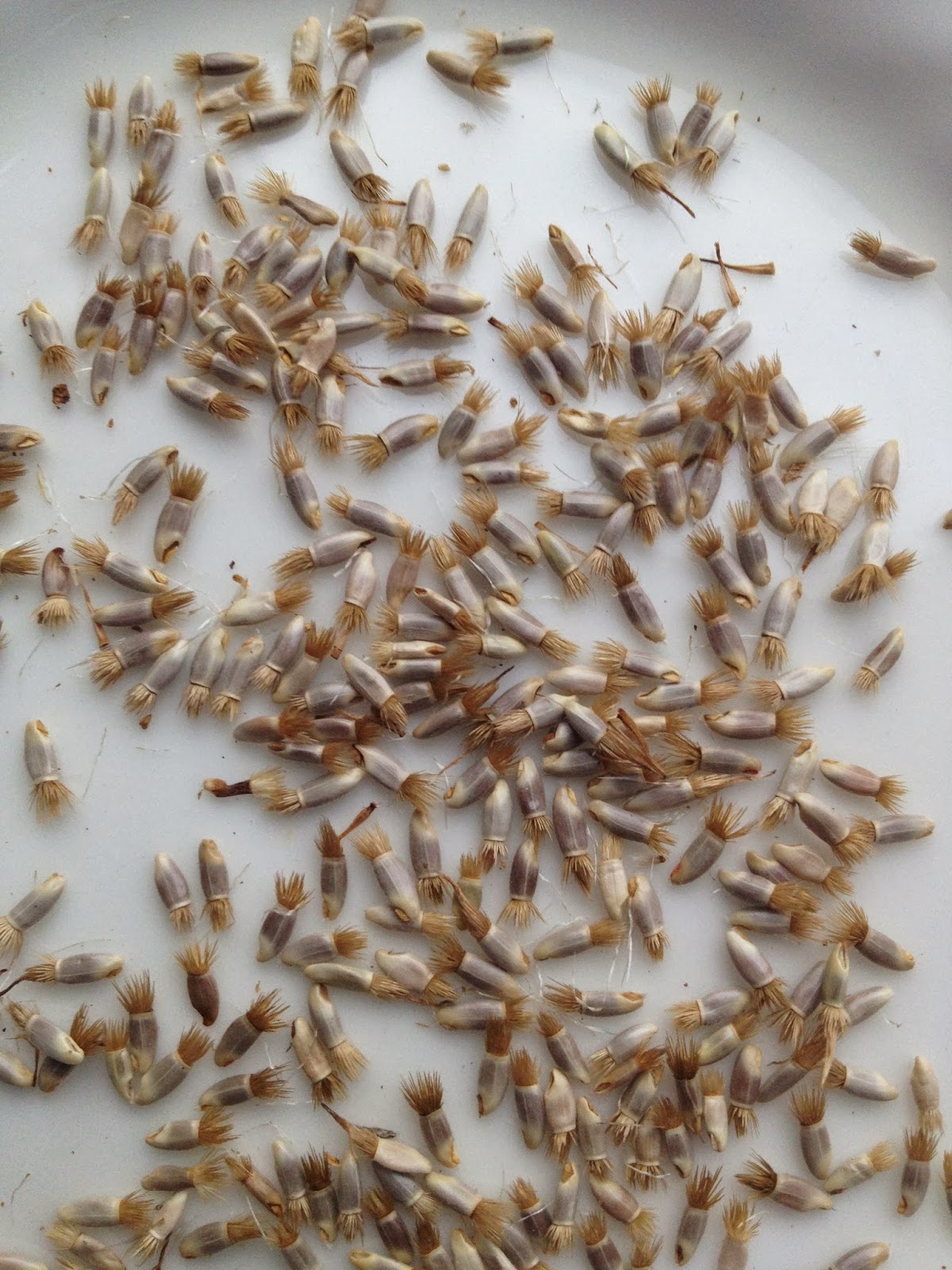
Growing Cornflowers from Seed
Cornflowers (Centaurea cyanus), also known as bachelor’s buttons, are easy-to-grow annuals prized for their vivid blue blooms. Modern varieties also flower in shades of pink, purple, red, and white. Their long-lasting flowers brighten garden beds and make excellent cut flowers, while attracting bees and other pollinators.
When to Plant Cornflower Seeds
Cornflowers grow best when their seeds are sown directly in the garden. In most parts of the United States, sow seeds in early spring as soon as the soil can be worked. The plants tolerate cool weather and light frost. In areas with mild winters, seeds can also be sown in fall for flowers the following spring.
Choose a location that receives full sun. Cornflowers can grow in partial shade, but they may produce fewer blooms and become leggier.
How to Sow the Seeds
- Remove weeds and loosen the soil. Cornflowers prefer well-drained soil and do not need especially rich ground.
- Scatter seeds over the prepared area or sow them individually about 1/4 inch deep.
- Cover lightly with soil and water gently. Keep the soil evenly moist until seedlings emerge, usually within 7 to 14 days.
- Once seedlings are a few inches tall, thin them to about 6 to 12 inches apart, depending on the variety. Proper spacing improves airflow and gives plants room to branch.
Because cornflowers have long roots, direct sowing is generally easier than transplanting. If starting seeds indoors, use biodegradable pots and move seedlings outside while they are still small, taking care to disturb their roots as little as possible.
Caring for Cornflowers
After they are established, cornflowers are relatively low-maintenance. Water during prolonged dry spells, but avoid keeping the soil soggy. Excessively rich soil or heavy fertilizing can encourage leafy growth at the expense of flowers.
Most varieties grow about 1 to 3 feet tall. Taller plants may need support in windy locations. Remove faded blooms regularly to encourage more flowers. If you would like the plants to reseed, leave some flower heads in place to mature at the end of the season.
Harvesting and Saving Seeds
For cut flowers, harvest stems when the blooms are just opening. To save seeds, leave a few flowers on the plant until the petals fade and the flower heads turn dry and brown. Collect the heads on a dry day, then separate the seeds and store them in a labeled paper envelope in a cool, dry place.
Cornflowers often self-seed, so new plants may appear in the same area the following year. This can be a welcome feature in a naturalistic garden, but remove unwanted seedlings before they set seed. Check local guidance if you are growing them near natural areas, since plants can spread beyond garden beds in some locations.
A Colorful, Pollinator-Friendly Annual
With a sunny spot, well-drained soil, and a simple direct sowing, cornflower seeds can produce a cheerful display with little fuss. Plant them in borders, cottage gardens, or cutting gardens, and enjoy their bright flowers from late spring into summer.
7 Common Questions About Growing Cornflower Seeds
- How long does it take for cornflower seeds to bloom?
- Do cornflowers come back each year?
- Are bachelor buttons and cornflowers the same?
- Is cornflower easy to grow from seed?
- Can I just scatter cornflower seeds?
- Are cornflowers easy to grow from seed?
- Are cornflowers and bachelor buttons the same?
How long does it take for cornflower seeds to bloom?
Cornflower seeds typically bloom about 10 to 12 weeks after sowing, though timing varies with the variety, weather, and growing conditions. Seeds sown in early spring usually flower in late spring or early summer. Plant them in a sunny spot with well-drained soil, and keep the soil lightly moist while the seeds germinate to help plants get off to a strong start.
Do cornflowers come back each year?
Cornflowers (Centaurea cyanus) are annuals, so the original plants usually die at the end of the growing season rather than returning from their roots. However, they readily self-seed when flower heads are left to mature and drop their seeds, so new plants may sprout the following year. To encourage reseeding, leave some blooms on the plant until the seed heads dry; remove them if you prefer to prevent volunteers.
Are bachelor buttons and cornflowers the same?
Yes. Bachelor’s buttons and cornflowers are common names for the same plant, Centaurea cyanus, an annual flowering species known for its bright blue blooms. The name “bachelor’s button” refers to the flower’s traditional use as a buttonhole flower, while “cornflower” reflects its history of growing in fields alongside grain crops. Today, cultivated varieties are also available in pink, purple, red, and white.
Is cornflower easy to grow from seed?
Yes, cornflower is easy to grow from seed and is a good choice for beginner gardeners. Sow seeds directly in the garden in early spring, as soon as the soil can be worked, or in fall in areas with mild winters. Choose a sunny spot with well-drained soil, cover seeds lightly, and keep the soil moist until they sprout—usually within one to two weeks. Once seedlings are established, thin them to allow room to grow; cornflowers need little extra care.
Can I just scatter cornflower seeds?
Yes, you can scatter cornflower seeds directly in the garden. For best results, prepare the area by removing weeds and lightly loosening the soil, then spread the seeds evenly and rake them in or cover them with about ¼ inch of soil. Water gently and keep the soil moist until seedlings appear, usually within 7 to 14 days. Once they’re growing, thin seedlings to about 6 to 12 inches apart so the plants have room to thrive.
Are cornflowers easy to grow from seed?
Yes, cornflowers are easy to grow from seed and are a good choice for beginning gardeners. Sow seeds directly in the garden in early spring, as soon as the soil can be worked, or in fall in areas with mild winters. Choose a sunny spot with well-drained soil, cover the seeds lightly, and keep the soil moist until they sprout, usually within one to two weeks. Once seedlings are established, cornflowers need little care beyond occasional watering and, if desired, deadheading to encourage more blooms.
Are cornflowers and bachelor buttons the same?
Yes. Cornflowers and bachelor’s buttons are common names for the same annual flower, Centaurea cyanus. The name “cornflower” comes from its traditional growth in grain fields, while “bachelor’s button” refers to the flower’s use as a buttonhole bloom. Seed packets may use either name, and both grow into the familiar daisy-like flowers—most often bright blue, but also available in pink, purple, red, and white.