
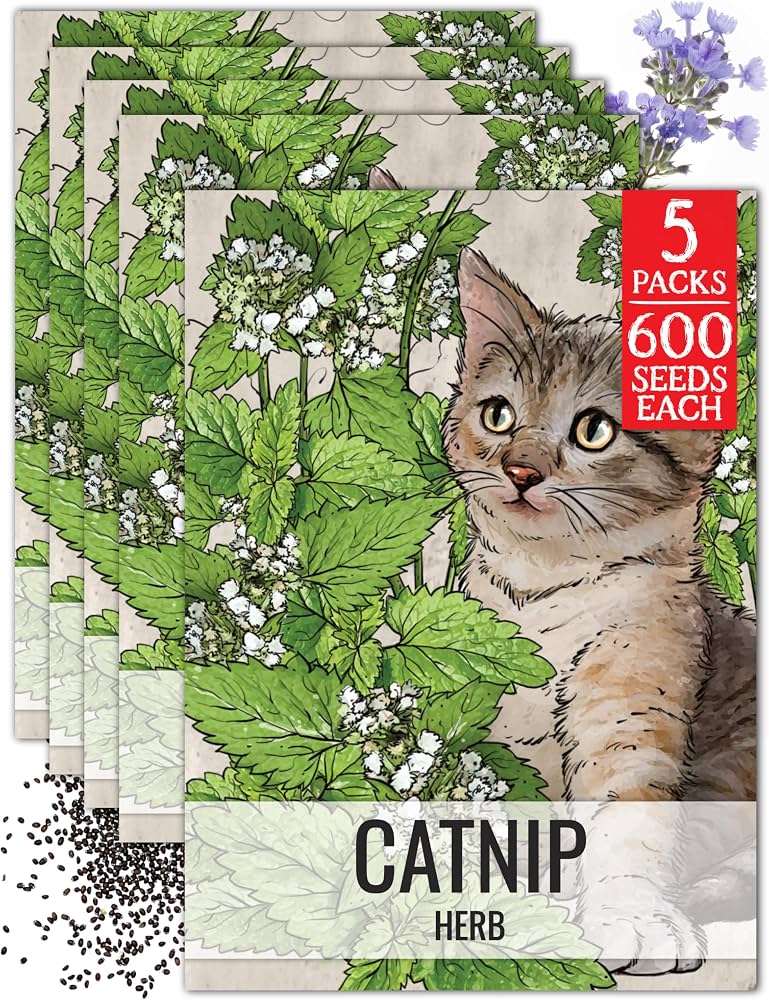
Catnip Seeds: How to Plant and Grow Catnip
Catnip (Nepeta cataria) is a fragrant perennial herb in the mint family. It is best known for its effect on many cats, but gardeners also grow it for its soft green foliage, small flowers, and appeal to pollinators. Starting catnip from seed is an easy, affordable way to add this hardy herb to a garden or container.
Choosing Catnip Seeds
Look for seeds labeled Nepeta cataria if you want common catnip. Catmint is a related group of ornamental plants, but it is not always the same species. Check the botanical name on the seed packet to be sure you are growing the plant you intend.
When to Plant Catnip Seeds
Catnip seeds can be started indoors several weeks before the last expected spring frost, or sown outdoors after the danger of frost has passed. In mild climates, they can also be sown outdoors in fall. Follow local frost dates and the seed packet’s instructions for the best timing in your area.
How to Sow Catnip Seeds
- Prepare the soil. Choose a sunny location with well-drained soil. Catnip tolerates a range of soil types and does not need especially rich soil.
- Sow the seeds. Scatter seeds on the soil surface and press them in gently. Cover them with only a thin layer of soil, since light can help with germination.
- Keep the soil lightly moist. Water gently so the seeds stay in place. Avoid waterlogged soil, which can cause seeds or young seedlings to rot.
- Wait for germination. Seeds typically sprout in about one to three weeks, though conditions and seed freshness can affect the timing.
- Thin the seedlings. Once seedlings are large enough to handle, thin them to give mature plants room to grow. Catnip can spread and may self-seed.
If germination is slow, a period of cold, moist conditioning may help. Place seeds in a sealed bag with a small amount of slightly damp growing medium and refrigerate them for a few weeks before sowing. Check the seed supplier’s guidance, as requirements can vary.
Growing Catnip After Germination
Established catnip is generally drought-tolerant and easy to care for. Water young plants regularly while they develop roots; afterward, water when the soil begins to dry. Full sun encourages compact growth and abundant flowering, while light shade is usually tolerated.
Trim the plants after flowering to encourage fresh growth and reduce unwanted self-seeding. In areas where catnip grows vigorously, remove flower heads before seeds mature or grow the plant in a container. Keep in mind that cats may roll on or chew plants, so protect young seedlings if needed.
Harvesting Catnip
For a fragrant harvest, cut stems once the plants are well established, ideally before or as they begin to flower. Dry the stems in a warm, airy place away from direct sunlight, then store the dried leaves in an airtight container. Catnip seeds can also be collected from mature, dried flower heads, but allow some seeds to remain if you want the plant to reseed.
Do Catnip Seeds Affect Cats?
The familiar response many cats have to catnip is mainly associated with a naturally occurring compound called nepetalactone, found in the plant’s leaves and stems. Seeds themselves are not typically the part used to attract cats. Individual cats respond differently, and some show little or no reaction.
Frequently Asked Questions
Does catnip come back every year?
Catnip is a perennial in many climates, so established plants can return for several growing seasons. It may also reseed itself.
Can catnip grow in a pot?
Yes. Use a container with drainage holes and a well-draining potting mix. A pot can also help limit spreading and make it easier to protect the plant from curious cats.
Why are my catnip seeds not sprouting?
Common causes include old or poorly stored seeds, planting them too deeply, soil that is too wet or too dry, and temperatures outside the seeds’ preferred range. Sow seeds shallowly, keep the surface evenly moist, and allow time for germination.
With light, well-drained soil, and modest care, catnip seeds can grow into a useful and aromatic garden herb. Plan for its tendency to spread, and enjoy its flowers, foliage, and appeal to both people and pollinators.
6 Common Questions About Growing Catnip from Seeds
- When is the best time to plant catnip seeds?
- How do you germinate catnip seeds?
- Do catnip seeds need cold stratification?
- How long do catnip seeds take to germinate?
- How deep should catnip seeds be planted?
- Can you grow catnip from seeds indoors?
When is the best time to plant catnip seeds?
The best time to plant catnip seeds is in spring, after the danger of frost has passed. You can also start seeds indoors about six to eight weeks before your area’s last expected frost, then transplant the seedlings outside when the weather warms. In mild climates, sowing seeds outdoors in fall is another option.
How do you germinate catnip seeds?
To germinate catnip seeds, sow them on the surface of moist, well-draining seed-starting mix and press them gently into the soil, covering them only very lightly. Keep the mix evenly moist—not soggy—and place the container in a warm, bright spot. Seeds usually sprout in one to three weeks. If germination is slow, chilling the seeds in a damp medium in the refrigerator for a few weeks before sowing may help.
Do catnip seeds need cold stratification?
Catnip seeds do not always require cold stratification, but a period of cold, moist conditions can improve or speed up germination, especially if seeds are slow to sprout. To stratify them, place the seeds in a sealed bag with a little damp—not wet—growing medium and refrigerate for a few weeks, then sow them shallowly. You can also sow seeds directly in the garden in fall, allowing winter conditions to provide natural stratification. Follow the seed supplier’s instructions, since recommendations can vary.
How long do catnip seeds take to germinate?
Catnip seeds typically germinate in about 7 to 14 days, though they may take up to three weeks depending on seed freshness, temperature, moisture, and light. Sow them shallowly in a well-draining mix, keep the soil evenly moist but not soggy, and provide warm conditions. If sprouts are slow to appear, give the seeds a little more time and check that they haven’t been buried too deeply.
How deep should catnip seeds be planted?
Catnip seeds should be planted very shallowly—about 1/8 inch deep—or simply scattered on the soil surface and gently pressed in. They need light to germinate, so avoid covering them with a thick layer of soil. Keep the soil evenly moist until the seedlings emerge.
Can you grow catnip from seeds indoors?
Yes, catnip can be grown from seeds indoors. Sow the seeds in pots or seed-starting trays, barely covering them with a thin layer of soil, and keep the mix evenly moist in a warm, bright spot. Once seedlings have several sets of leaves, move them to a sunny window or under grow lights, then harden them off before transplanting outdoors after the risk of frost has passed. Catnip also grows well in containers indoors, provided it gets plenty of light and has good drainage.