
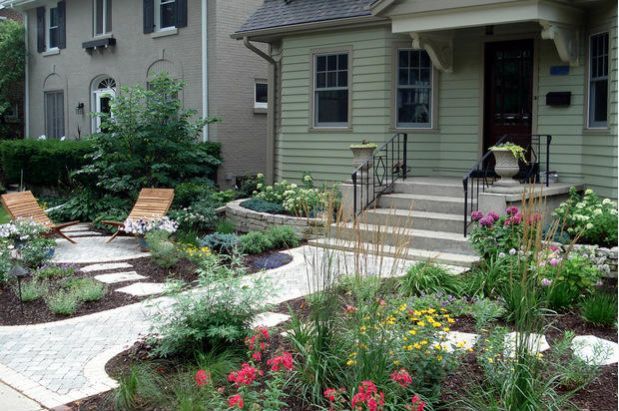
Landscape Design for Small Yards: Make Every Inch Count
A small yard can be beautiful, comfortable, and practical. The key is to plan around how you want to use the space, then choose plants and features that make it feel open rather than crowded. With thoughtful layout, a compact yard can offer room to relax, grow flowers or vegetables, and enjoy nature.
Start With a Simple Plan
Before buying plants or materials, observe the yard throughout the day. Note sunny and shady areas, drainage patterns, views you want to highlight, and spots you would like to screen. Make a basic sketch that includes the house, paths, existing trees, utility features, and property boundaries.
Next, list your priorities. You might want a small seating area, a place for children to play, pollinator-friendly plants, or room for a few raised vegetable beds. In a small yard, choosing a few key uses is often more successful than trying to fit everything in.
Create Clear Zones
Divide the yard into a few purposeful areas, such as a patio, planting bed, and open lawn. These zones do not need fences or walls to feel distinct. A change in paving, a low border, or a group of plants can signal where one area ends and another begins.
Keep routes between spaces clear and comfortable. A path that leads to a focal point, such as a bench, specimen plant, or birdbath, can make the yard feel intentional. Avoid narrow, winding paths that take up space without serving a useful purpose.
Make the Yard Feel Larger
- Use fewer, larger elements. A single well-proportioned patio or planter can look calmer than many small features.
- Keep sightlines open. Place taller plants toward the edges and leave the center or a diagonal view unobstructed.
- Repeat materials and colors. Consistent paving, containers, and plant colors help the design feel unified.
- Draw the eye upward. Trellises, vertical plantings, and small trees add height without using much ground space.
- Use mirrors cautiously. Outdoor mirrors can create visual depth, but position them safely and where they will not confuse birds or reflect intense sunlight.
Choose Plants for Scale and Site Conditions
Check each plant’s mature size before planting. A shrub that looks small at the nursery may eventually block a path or overwhelm a narrow bed. Compact varieties can be useful, but they still need enough room to grow.
Match plants to the conditions in your yard, including sunlight, soil, moisture, and exposure to wind. Group plants with similar needs to make care easier. A mix of heights, textures, and bloom times adds interest without requiring a large collection of species.
Consider native plants suited to your region. They can provide food and habitat for local wildlife, and many are well adapted to local conditions once established. For a small garden, even a modest planting of native flowers, grasses, or shrubs can make a meaningful contribution.
Think Vertically
When ground space is limited, use walls, fences, and sturdy structures for vertical interest. A trellis can support climbing plants, while wall-mounted planters can hold herbs or seasonal flowers. Keep vertical features secure and choose plants that will not damage siding or fences.
Small trees can also add height and shade, but select one with a mature size and root system appropriate for the location. Leave room for branches, avoid planting too close to buildings or overhead wires, and check local guidance before planting near property lines or utilities.
Choose Features That Do Double Duty
In a compact landscape, useful features can serve more than one purpose. A bench with built-in storage can provide seating and a place to keep garden tools. A raised bed can define a patio edge while making vegetables easier to reach. A low fence may provide support for plants while creating a subtle boundary.
Containers are another flexible option. They can add color to a patio, help define a space, and be rearranged as the garden changes. Choose containers with drainage holes and a size that suits the plants you plan to grow.
Keep Maintenance in Mind
A good design should be easy to care for. Give plants enough room to reach their mature size, use mulch to help retain soil moisture and suppress weeds, and make sure you can reach beds for watering and pruning. Drip irrigation or a soaker hose may simplify watering, especially in containers and raised beds.
Before digging, contact your local utility-locating service to identify underground lines. Also consider how rainwater moves across the yard. Directing runoff toward appropriate planted areas can help manage water, but avoid creating drainage problems for neighboring properties.
Begin With One Improvement
You do not have to redesign the entire yard at once. Start with a clear priority, such as improving the entrance, adding a small seating area, or replacing an awkward patch of lawn with a planting bed. Live with the change for a season, notice what works, and build on it gradually.
With a clear plan, carefully chosen plants, and a few well-designed features, even the smallest yard can feel welcoming and full of life.
5 Smart Landscape Design Tips for Small Yards
- Use vertical planters to save ground space.
- Choose compact plants suited to your climate.
- Create a clear focal point to make the yard feel intentional.
- Use curved paths to add depth and visual interest.
- Add layered lighting to make the space feel larger at night.
Use vertical planters to save ground space.
Use vertical planters to add flowers, herbs, or leafy greens without taking up valuable ground space. Attach planters to a sturdy wall or fence, or use a freestanding tiered structure where sunlight and watering are easy to manage. Choose plants suited to the amount of light the spot receives, and make sure each planter has good drainage and secure support. Vertical planting can also add color, texture, and privacy while keeping pathways and seating areas open.
Choose compact plants suited to your climate.
Choose compact plants suited to your climate to keep a small yard attractive without letting greenery overwhelm the space. Check each plant’s mature height and spread—not just its size at the garden center—and match it to your local temperatures, sunlight, soil, and water conditions. Climate-appropriate plants are more likely to thrive with less maintenance, while compact varieties leave room for paths, seating, and other garden features.
Create a clear focal point to make the yard feel intentional.
Create a clear focal point to give a small yard a sense of purpose and make the overall design feel intentional. Choose one feature—such as a colorful container, a small ornamental tree, a striking sculpture, or a comfortable bench—and place it where it naturally draws the eye, like at the end of a path or within view from the house. Keep nearby plantings and decor simple so the focal point stands out without making the space feel crowded.
Use curved paths to add depth and visual interest.
Curved paths can make a small yard feel more spacious by guiding the eye gradually through the landscape instead of revealing everything at once. A gentle bend adds movement and visual interest, creates a sense of discovery, and can make the space seem deeper than it is. Keep the curves broad and the path wide enough to walk comfortably; simple materials and low plantings along the edge help the route feel inviting without making the yard look crowded.
Add layered lighting to make the space feel larger at night.
Layered lighting can make a small yard feel more spacious and inviting after dark. Combine soft ambient light, such as low-voltage path lights, with focused accents on trees, textured walls, or garden features to create depth and draw the eye through the space. Add task lighting near seating or dining areas, and choose warm, shielded fixtures to reduce glare and keep the atmosphere comfortable. By highlighting different areas instead of flooding the whole yard with bright light, you can create a sense of dimension while making the space easier to enjoy at night.