
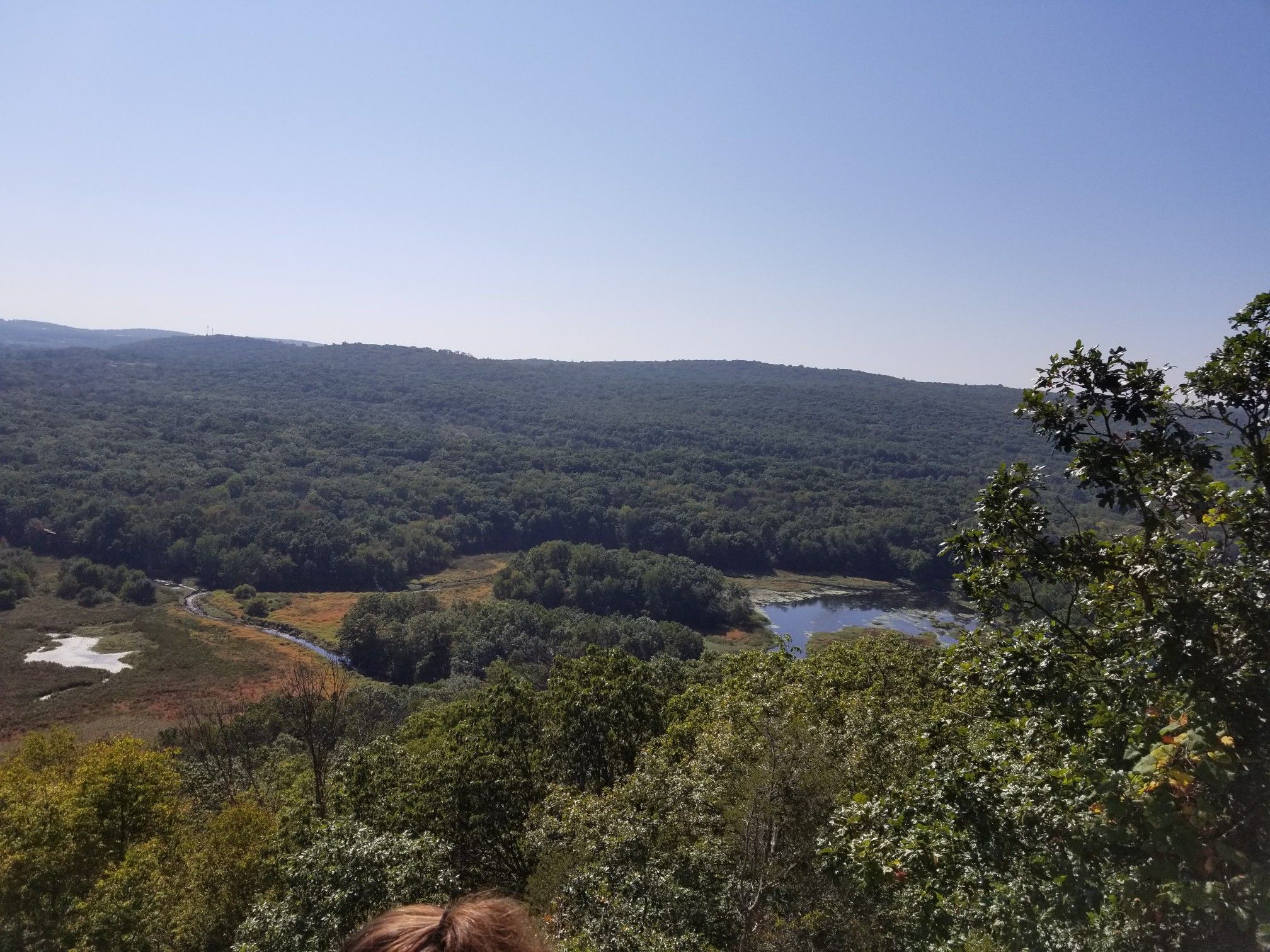
Budd Lake: A Natural Treasure in Morris County, New Jersey
Budd Lake is a freshwater lake in Mount Olive Township, Morris County, New Jersey. Surrounded by residential neighborhoods and wooded areas, it is a well-known local destination for outdoor recreation and a notable feature of the region’s natural landscape. The lake also serves as the source of the South Branch of the Raritan River, linking its health to the wider watershed.
A Glacial Lake
Budd Lake was formed by glacial activity during the last Ice Age. Its setting in northwestern New Jersey gives the area a scenic mix of water, forest, and rolling terrain. The lake is often described as New Jersey’s largest natural lake located entirely within the state.
The lake and its surrounding watershed support a range of plants and wildlife. Aquatic habitats provide food and shelter for fish, waterfowl, and other animals, while nearby trees and wetlands contribute to the area’s ecological diversity.
Recreation on and Around the Water
Budd Lake is a popular place for boating, fishing, and enjoying time outdoors. Depending on local rules and conditions, visitors may be able to use the lake for activities such as kayaking, canoeing, and other forms of non-motorized boating. Anglers can find freshwater fishing opportunities, though regulations, seasons, and access arrangements should be checked before a visit.
Because the shoreline includes both public and private areas, access is not the same everywhere. Visitors should follow posted signs, respect residents’ property, and check with local authorities or lake organizations for current information about boat launches, swimming, and other activities.
Protecting the Lake
Like many lakes near developed communities, Budd Lake can be affected by stormwater runoff, litter, erosion, and excess nutrients. These pressures may contribute to water-quality problems, including algae growth. Everyday choices can help reduce impacts: dispose of trash properly, avoid releasing soaps or chemicals into the water, maintain vegetation near shorelines, and follow rules for boats and fishing.
Local residents, community groups, and public agencies all play a role in caring for the lake. Monitoring water quality, protecting wetlands, and managing runoff throughout the watershed help preserve the lake for wildlife and future generations.
A Place to Enjoy and Preserve
Budd Lake is more than a scenic spot in Mount Olive Township. It is a natural resource, a source of recreation, and the beginning of a river system that flows through central New Jersey. With thoughtful use and continued conservation, the lake can remain an important part of the community and a welcoming destination for people who appreciate the outdoors.
Budd Lake, NJ FAQs: Swimming Safety, Living, Lake Facts, and Nearby Towns
- Is Budd Lake safe to swim?
- Is Budd Lake NJ A good place to live?
- What is Budd Lake known for?
- Is Budd Lake the largest natural lake in NJ?
- How deep is Budd Lake in NJ?
- What towns are near Budd Lake?
- Is Budd Lake safe to swim in?
- Is Budd Lake a nice place to live?
Is Budd Lake safe to swim?
Swimming safety at Budd Lake can vary with water quality, weather, and current advisories. Check for local health or harmful-algal-bloom warnings before entering the water, and avoid swimming if the water looks discolored or scummy, or if you see a posted advisory. Also confirm that swimming is allowed at your chosen location, since shoreline access and rules vary.
Is Budd Lake NJ A good place to live?
Budd Lake, in Mount Olive Township, can be a good place to live for people who value a suburban setting, nearby outdoor recreation, and access to the lake and surrounding natural areas. The community offers a quieter pace than larger cities, while shops, services, and major roads are available in the wider township and region. Whether it’s the right fit depends on your priorities: commute times, housing costs, school options, and the location-specific rules and access around the lake are all worth researching before you move.
What is Budd Lake known for?
Budd Lake is known as New Jersey’s largest natural lake located entirely within the state, as well as a popular spot for boating, fishing, and enjoying the outdoors. Located in Mount Olive Township, it is also the source of the South Branch of the Raritan River.
Is Budd Lake the largest natural lake in NJ?
Yes. Budd Lake is commonly described as New Jersey’s largest natural lake located entirely within the state. Lake Hopatcong is much larger, but it has been significantly enlarged and altered by dams, so it is often distinguished from a naturally occurring lake.
How deep is Budd Lake in NJ?
Budd Lake in Mount Olive Township is about 40 feet deep at its deepest point, though much of the lake is shallower. Depth varies across the lake, so boaters and anglers should use current charts and take care, especially in unfamiliar areas.
What towns are near Budd Lake?
Budd Lake is located in Mount Olive Township in Morris County, New Jersey. Nearby communities include Netcong, Stanhope, Flanders, and Landing, while Hackettstown is a short drive to the west. These towns and communities offer convenient options for dining, shopping, and exploring the surrounding area.
Is Budd Lake safe to swim in?
Swimming safety at Budd Lake can vary with water quality and local conditions, so check current advisories from the New Jersey Department of Environmental Protection and Mount Olive Township before entering the water. Swim only in areas where swimming is permitted, and avoid the lake if there is a posted closure, a harmful algal bloom warning, or signs of pollution. Never swim in restricted areas, and follow all posted safety rules.
Is Budd Lake a nice place to live?
Budd Lake can be a nice place to live for people who enjoy a suburban setting with access to outdoor recreation, including boating and fishing, and the convenience of being in Mount Olive Township. The area has a mix of homes and nearby local services, though the feel can vary by neighborhood. Lake access is not necessarily available to every resident, and prospective buyers or renters should check shoreline rules, water-quality information, commuting options, and local amenities to see whether the area fits their needs.