
How to Grow Blanket Flowers from Seed
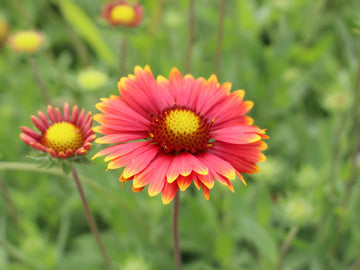
Blanket flowers are bright, daisy-like blooms known for their red, orange, and yellow petals. Their long flowering season, tolerance of heat, and appeal to pollinators make them a popular choice for sunny gardens. Growing blanket flowers from seed is a simple way to add cheerful color to a flower bed, border, or container.
About Blanket Flower Seeds
Blanket flower is the common name for plants in the genus Gaillardia. Two commonly grown species are annual or short-lived Gaillardia pulchella and perennial Gaillardia aristata. Many garden varieties are hybrids. Check the seed packet for the variety’s growth habit, hardiness, and sowing instructions, since these can differ.
Some blanket flowers readily reseed in the garden. However, seedlings from hybrid plants may not look exactly like the parent. For blooms that match a named variety, choose seeds described as true-to-type or start with nursery-grown plants.
When to Sow Blanket Flower Seeds
For outdoor sowing, plant seeds in spring after the danger of hard frost has passed. In mild-winter areas, seeds can also be sown in fall. To get a head start, sow seeds indoors about six to eight weeks before your area’s last expected frost, then transplant seedlings outdoors once they are hardened off and conditions are suitable.
How to Plant Blanket Flower Seeds
- Choose a sunny spot. Blanket flowers bloom best with at least six hours of direct sunlight per day.
- Prepare the soil. Use well-drained soil. These plants tolerate relatively poor soil and generally do not need rich, heavily amended ground.
- Sow the seeds. Press seeds lightly onto the soil surface or cover them with a very thin layer of soil, following the seed packet directions. Light can help germination, so avoid burying seeds deeply.
- Keep the soil gently moist. Water carefully so the seeds stay in place. Keep the soil moist, but not waterlogged, while they germinate.
- Thin or transplant seedlings. Once seedlings are established, space them according to the variety’s instructions. Good air circulation helps keep plants healthy.
Germination time varies with the variety and growing conditions. Keep the seed-starting area warm and bright, and check the seed packet for the expected germination range.
Care After Germination
After seedlings are established, blanket flowers are generally low-maintenance. Water young plants during dry spells while their roots develop. Mature plants are drought-tolerant, but occasional watering during extended heat and drought can support flowering. Avoid overwatering and poorly drained soil, which can contribute to root problems.
Deadheading—removing faded flowers—can encourage more blooms and reduce unwanted self-seeding. If you want the plants to reseed or provide seeds for birds, leave some flower heads in place at the end of the season. Tall varieties may benefit from support, while compact varieties usually need little maintenance.
Common Problems
Blanket flowers may produce fewer blooms in shade or overly fertile soil. Excess moisture can also weaken plants, so choose a well-drained location and avoid keeping the soil constantly wet. If plants become crowded, thin them to improve airflow and reduce competition.
Why Grow Blanket Flowers?
Blanket flowers bring long-lasting color to sunny gardens and can attract bees and butterflies. They work well in mixed borders, pollinator gardens, and containers, provided the containers drain freely. With sun, well-drained soil, and modest care, blanket flower seeds can grow into a lively display of blooms from late spring or summer into fall, depending on the variety and local conditions.
8 Benefits of Blanket Flower Seeds for a Bright, Pollinator-Friendly Garden
- Easy to sow and grow
- Attracts bees and butterflies
- Produces bright, cheerful blooms
- Tolerates heat and dry conditions
- Thrives in full sun
- Grows in well-drained soil
- Can bloom for a long season
- May reseed naturally in gardens
Blanket Flower Seeds: Uneven Germination, Delayed Blooms, and Unpredictable Hybrid Traits
- Seeds may germinate unevenly.
- Seedlings can take time to bloom.
- Hybrid seedlings may differ from the parent plant.
Easy to sow and grow
Blanket flower seeds are easy to sow and grow, making them a great choice for beginners and experienced gardeners alike. Simply scatter or lightly press the seeds onto well-drained soil in a sunny spot, and keep the soil lightly moist while they germinate. Once established, blanket flowers need little fuss: they tolerate heat and dry conditions and thrive without rich soil, rewarding simple care with bright, long-lasting blooms.
Attracts bees and butterflies
Blanket flower seeds can grow into vibrant, daisy-like blooms that attract bees and butterflies to the garden. Their nectar and pollen provide a useful food source for these pollinators, while the colorful flowers bring movement and life to sunny beds and borders. Planting blanket flowers is an easy way to make a garden more welcoming to beneficial insects.
Produces bright, cheerful blooms
Blanket flower seeds grow into plants with bright, cheerful blooms in warm shades of red, orange, and yellow. Their daisy-like flowers add a lively splash of color to sunny garden beds, borders, and containers, creating a welcoming display that can last through much of the growing season.
Tolerates heat and dry conditions
Blanket flowers are an excellent choice for gardens that face hot, dry weather. Once established, these hardy plants can tolerate heat and periods of low rainfall, making them a practical option for sunny spots where other flowers may struggle. For best results, sow seeds in well-drained soil and water young plants regularly until their roots are established.
Thrives in full sun
Blanket flower seeds grow into plants that thrive in full sun, making them an excellent choice for bright, open garden spaces. With at least six hours of direct sunlight each day, blanket flowers typically produce more abundant blooms and vivid colors. Their tolerance for sunny, warm conditions also makes them well suited to borders, pollinator gardens, and other spots where less sun-loving flowers may struggle.
Grows in well-drained soil
Blanket flower seeds grow best in well-drained soil, making them a good choice for sunny spots where water doesn’t linger after rain or watering. Once established, blanket flowers tolerate dry conditions and need less frequent watering than many garden plants. Avoid heavy, soggy soil, which can keep roots too wet and hinder healthy growth.
Can bloom for a long season
Blanket flowers grown from seed can bloom for a long season, often producing colorful flowers from early summer into fall when given plenty of sun and well-drained soil. Removing spent blooms can encourage plants to keep flowering, while leaving a few flower heads in place may allow them to form seeds for future growth. Because bloom timing varies by variety and climate, check the seed packet for local growing guidance.
May reseed naturally in gardens
One of the benefits of growing blanket flowers from seed is that established plants may reseed naturally in the garden. If you leave some faded flower heads in place, they can drop seeds that sprout in a later season, helping blanket flowers return without replanting. Reseeding varies with the variety and growing conditions, so allow seedlings to grow where they appear or thin them to keep the garden tidy.
Seeds may germinate unevenly.
Blanket flower seeds may germinate unevenly, so seedlings can appear over several days or even weeks rather than all at once. Differences in seed freshness, soil temperature, moisture, and planting depth can affect germination. Sow seeds evenly, keep the soil lightly moist, and avoid covering them too deeply; patience may be needed before deciding that some seeds have failed.
Seedlings can take time to bloom.
One drawback of growing blanket flowers from seed is that seedlings may take several months to produce blooms, so the garden may not get much color during their first growing season. Starting seeds indoors can give plants a head start, but gardeners seeking flowers sooner may prefer established nursery plants.
Hybrid seedlings may differ from the parent plant.
One drawback of saving seeds from hybrid blanket flowers is that the seedlings may not resemble the parent plant. Their flower color, size, shape, or growth habit can vary, so the next generation may look quite different from the blooms you enjoyed. For consistent results, choose seeds labeled as true-to-type or start with nursery-grown plants of the desired variety.