
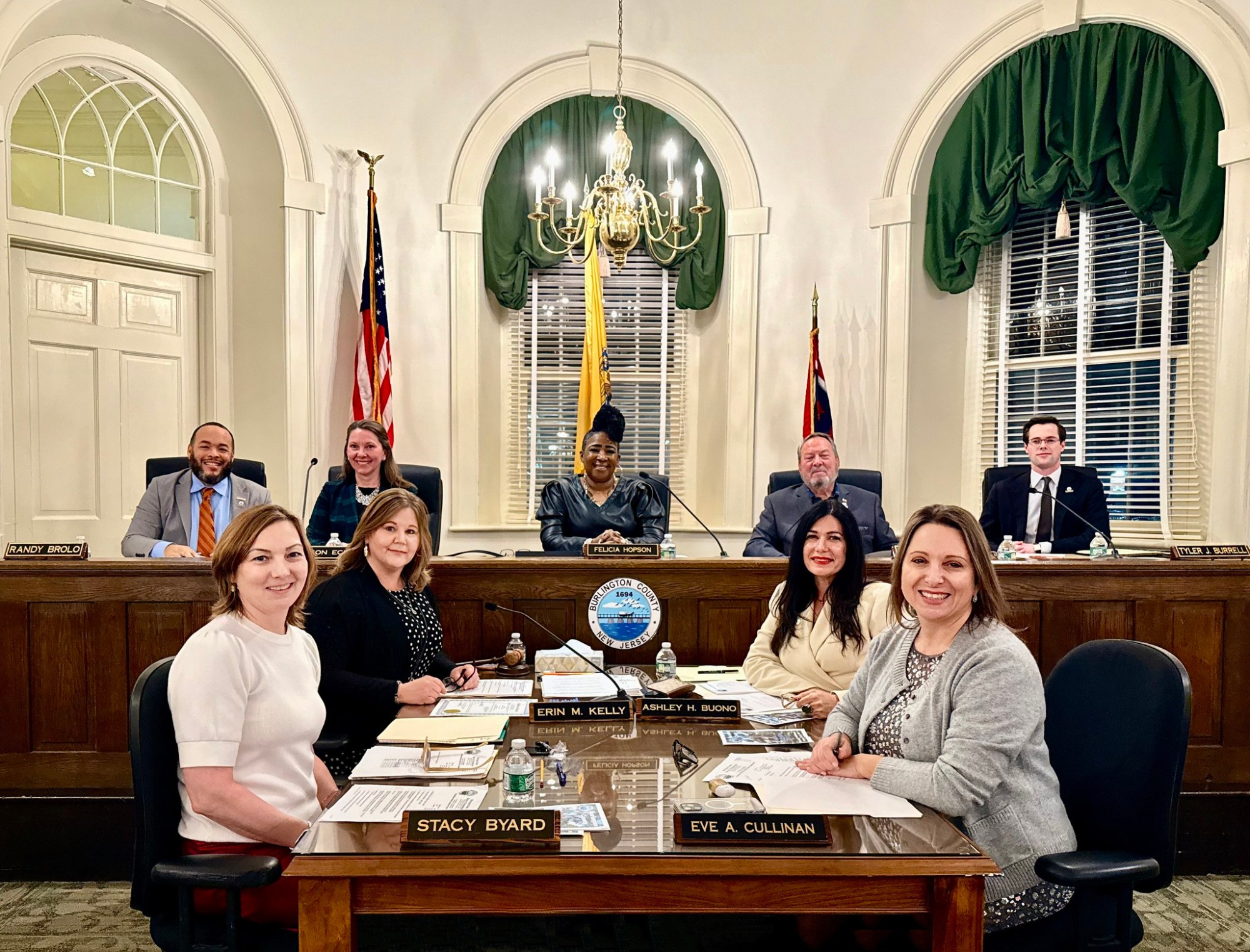
Burlington County, New Jersey: A Blend of History, Nature, and Agriculture
Burlington County is a diverse region in southern New Jersey, known for its historic communities, working farms, wooded landscapes, and access to the Delaware River. From lively downtowns to quiet stretches of the Pinelands, the county offers a mix of rural and suburban life.
Location and Landscape
One of New Jersey’s largest counties by land area, Burlington County stretches from the Delaware River in the west toward the Pine Barrens in the east. Its landscape includes farmland, forests, wetlands, rivers, and developed communities. This variety supports a wide range of plants and wildlife and gives residents many opportunities to explore the outdoors.
The county seat is Mount Holly, a historic town with roots reaching back to the colonial era. Other communities include Bordentown, Burlington City, Moorestown, Medford, and Mount Laurel. Each has its own character, from historic streets and town centers to parks and open spaces.
A Strong Agricultural Tradition
Agriculture remains an important part of Burlington County’s identity. Farms across the county grow crops and raise livestock, while farm stands and seasonal markets connect residents with locally produced food. The region’s agricultural heritage is also reflected in its open fields and rural roadways.
For home gardeners, Burlington County’s range of soil and site conditions makes it useful to learn about the conditions in a specific yard before planting. Sun exposure, drainage, soil texture, and local wildlife can all influence which plants will thrive. Choosing plants suited to the site can help conserve water and reduce the need for pesticides and other maintenance.
Outdoor Recreation and Natural Areas
Burlington County offers many ways to enjoy the outdoors, including trails, parks, waterways, and nature areas. Rancocas State Park protects a mix of forest, wetlands, and river habitat, while the county’s many local parks provide space for walking, cycling, picnicking, and community activities. Portions of the Pinelands National Reserve also extend into the county, bringing distinctive pine forests and wetlands to the region.
These natural areas are valuable not only for recreation but also for the plants and animals they support. Native plants can provide food and shelter for pollinators and birds, while healthy wetlands and forests help protect water quality and support local ecosystems.
History and Community
Burlington County has a long history tied to settlement along the Delaware River, agriculture, and trade. Historic sites and preserved buildings throughout the county offer glimpses into its past, while its towns continue to grow and change. Community events, local markets, and outdoor programs help bring residents together throughout the year.
Discover Burlington County
Whether exploring a historic town, visiting a farm, or walking a wooded trail, Burlington County offers a range of experiences within one region. Its combination of agriculture, natural landscapes, and community life makes it a distinctive part of New Jersey.
6 Reasons to Love Burlington County, New Jersey
- Rich history and historic towns
- Abundant parks and outdoor trails
- Beautiful Pinelands and wetlands
- Strong local farming tradition
- Convenient access to the Delaware River
- A mix of rural and suburban communities
5 Cons of Living in Burlington County
- Public transportation can be limited in rural areas.
- A car is often needed for daily errands.
- Summers can be hot and humid.
- Some areas have long commutes to major job centers.
- Ticks and mosquitoes can be common near wooded areas.
Rich history and historic towns
Burlington County’s rich history is visible in its historic towns, preserved architecture, and landmarks that tell the story of New Jersey’s past. From the colonial-era streets of Mount Holly and Burlington City to the historic charm of Bordentown, visitors can explore places shaped by early settlement, commerce, and community life. These towns offer a distinctive sense of place, connecting residents and visitors with the county’s heritage while supporting vibrant downtowns, local shops, and cultural events.
Abundant parks and outdoor trails
Burlington County offers abundant parks and outdoor trails, making it easy for residents and visitors to enjoy fresh air and explore nature. Trails wind through forests, wetlands, and open spaces, providing opportunities for walking, hiking, cycling, and wildlife watching. From peaceful local parks to larger natural areas, the county has outdoor destinations for a range of interests and activity levels.
Beautiful Pinelands and wetlands
Burlington County’s beautiful Pinelands and wetlands offer a peaceful escape into nature, with pine forests, winding waterways, and diverse wildlife to explore. These natural areas provide important habitat for native plants and animals, help protect water quality, and create scenic places for hiking, birdwatching, and enjoying the outdoors.
Strong local farming tradition
Burlington County’s strong farming tradition is reflected in its productive farms, seasonal crops, and rural landscapes. Local farms help supply fresh produce and other goods to nearby communities, while farm stands and markets give residents a chance to support growers and enjoy food raised close to home. This agricultural heritage also helps preserve open space and keeps farming an important part of the county’s identity.
Convenient access to the Delaware River
Burlington County’s convenient access to the Delaware River gives residents and visitors plenty of ways to enjoy the water and nearby riverfront communities. The river offers opportunities for boating, fishing, paddling, and scenic walks, while historic towns along its banks provide inviting places to explore local shops, restaurants, and landmarks. This easy connection to the Delaware also adds natural beauty and recreational value to everyday life in the county.
A mix of rural and suburban communities
Burlington County offers a distinctive mix of rural and suburban communities, giving residents a range of lifestyles and amenities. Quiet farm roads, open fields, and wooded areas sit alongside town centers, shopping, schools, and convenient services. This variety makes it possible to enjoy a more spacious, country setting while staying connected to the conveniences and opportunities of suburban life.
Public transportation can be limited in rural areas.
Public transportation can be limited in rural parts of Burlington County, where homes and destinations are spread far apart. Bus routes may be infrequent or unavailable in some areas, making it difficult to commute, run errands, or reach services without a car. This can be especially challenging for residents who do not drive or have limited access to a vehicle.
A car is often needed for daily errands.
In many parts of Burlington County, a car is often needed for daily errands. Shops, medical offices, schools, and other services can be spread out, especially in more rural areas, and public transportation may not provide convenient routes or frequent service everywhere. This can make it harder for residents without a car to get around and can add to household transportation costs.
Summers can be hot and humid.
Summers in Burlington County can be hot and humid, which may make outdoor activities uncomfortable, especially during the hottest part of the day. High temperatures and sticky conditions can also increase the need for air conditioning and make gardening and yard work more demanding. Staying hydrated, seeking shade, and planning outdoor activities for cooler morning or evening hours can help make summer more manageable.
Some areas have long commutes to major job centers.
In some parts of Burlington County, reaching major job centers can mean a long daily commute. Travel times may be especially challenging for residents who work in Philadelphia, Trenton, or other employment hubs, depending on their location, route, and traffic conditions. This can add transportation costs and reduce time available for family, recreation, and other activities.
Ticks and mosquitoes can be common near wooded areas.
Ticks and mosquitoes can be common in Burlington County, especially near wooded areas, tall grass, and wetlands. Their presence may make outdoor activities less comfortable and calls for a few precautions, such as using an EPA-registered insect repellent, wearing long sleeves and pants, and checking for ticks after spending time outside. Keeping yards clear of leaf litter and tall grass can also help reduce places where these pests thrive.