
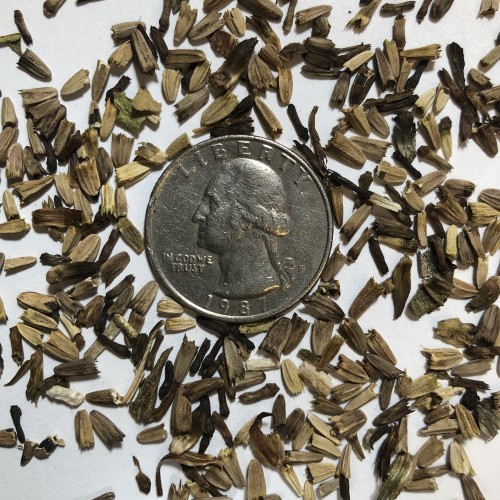
The Beauty and Benefits of Coneflower Seeds
Coneflowers, also known as Echinacea, are popular perennial plants that are not only beautiful but also offer a range of benefits to your garden and overall well-being. One of the easiest ways to grow coneflowers is by planting their seeds. Let’s explore the beauty and benefits of coneflower seeds.
Beauty in Diversity
Coneflowers come in a variety of colors, including shades of pink, purple, white, and orange. Planting coneflower seeds allows you to enjoy the beauty of these vibrant flowers in your garden. Their distinctive cone-shaped centers surrounded by colorful petals make them a favorite among gardeners looking to add visual interest to their landscapes.
Easy to Grow
Coneflower seeds are relatively easy to grow, making them ideal for both beginner and experienced gardeners. Simply sow the seeds in well-drained soil in a sunny location and watch as these hardy plants thrive with minimal care. Coneflowers are drought-tolerant once established, making them a low-maintenance addition to any garden.
Attract Pollinators
Coneflowers are known for attracting pollinators such as bees and butterflies with their nectar-rich flowers. By planting coneflower seeds, you can create a welcoming habitat for beneficial insects in your garden. Not only do coneflowers add beauty to your landscape, but they also play a vital role in supporting pollinator populations.
Medicinal Properties
Aside from their ornamental value, coneflowers have been traditionally used for their medicinal properties. Echinacea, derived from certain species of coneflowers, is believed to boost the immune system and help alleviate cold symptoms. Growing coneflowers from seeds provides you with a natural source of this beneficial plant for both your garden and your health.
In Conclusion
Whether you’re drawn to their beauty, attracted by their ability to support pollinators, or interested in their potential health benefits, planting coneflower seeds is a rewarding endeavor for any gardener. Consider adding these versatile plants to your garden landscape and enjoy the many benefits they bring.
Top 5 FAQs About Growing Coneflowers from Seeds
- How do I plant coneflower seeds?
- When is the best time to sow coneflower seeds?
- How long does it take for coneflower seeds to germinate?
- Do coneflowers require special care when grown from seeds?
- Can coneflowers be grown from seeds indoors?
How do I plant coneflower seeds?
Planting coneflower seeds is a straightforward process that can be easily accomplished by following a few simple steps. To plant coneflower seeds, start by preparing a well-drained soil bed in a sunny location in your garden. Scatter the seeds evenly over the soil surface and lightly press them down to ensure good soil contact. Water the seeds gently to keep the soil moist but not waterlogged. Germination typically occurs within 2-3 weeks, and you can expect to see seedlings emerging from the soil. Once the seedlings have grown a few inches tall, you can thin them out to provide adequate spacing for mature plants. With proper care and maintenance, your coneflower seeds will soon develop into beautiful flowering plants that will enhance the beauty of your garden landscape.
When is the best time to sow coneflower seeds?
The best time to sow coneflower seeds is typically in the early spring, after the last frost date in your region. Coneflowers are hardy plants that prefer to be sown directly into the ground where they will grow, as they develop deep taproots. By planting coneflower seeds in the spring, you give them ample time to establish themselves before the heat of summer arrives. This timing allows the seeds to germinate and grow into healthy plants that will bloom beautifully throughout the summer and into the fall.
How long does it take for coneflower seeds to germinate?
The germination time for coneflower seeds can vary depending on various factors such as temperature, moisture levels, and seed quality. On average, coneflower seeds typically germinate within 10 to 20 days under optimal conditions. Providing a warm, moist environment can help speed up the germination process, while cooler temperatures may result in a longer germination period. It’s important to be patient and consistent in caring for your coneflower seeds to ensure successful germination and healthy plant growth.
Do coneflowers require special care when grown from seeds?
When growing coneflowers from seeds, they typically do not require special care beyond the basics. Coneflowers are known for their hardiness and adaptability, making them relatively easy to grow from seeds. Ensure that the seeds are sown in well-drained soil in a sunny location, water them regularly until they establish themselves, and provide adequate airflow to prevent issues like mildew. Once established, coneflowers are drought-tolerant and low-maintenance plants that thrive in various garden settings. With proper care during the initial growth stages, coneflowers grown from seeds can flourish and reward you with their vibrant blooms year after year.
Can coneflowers be grown from seeds indoors?
Yes, coneflowers can be grown from seeds indoors. Starting coneflower seeds indoors allows you to get a head start on the growing season and ensures a higher success rate for germination. To grow coneflowers from seeds indoors, sow the seeds in seed-starting trays or pots filled with well-draining potting mix. Keep the soil consistently moist and place the containers in a warm, sunny location. Once the seedlings have developed several sets of true leaves, they can be transplanted outdoors into your garden or containers. Growing coneflowers from seeds indoors is a great way to enjoy these beautiful flowers earlier in the season and gives you greater control over their growth environment.