
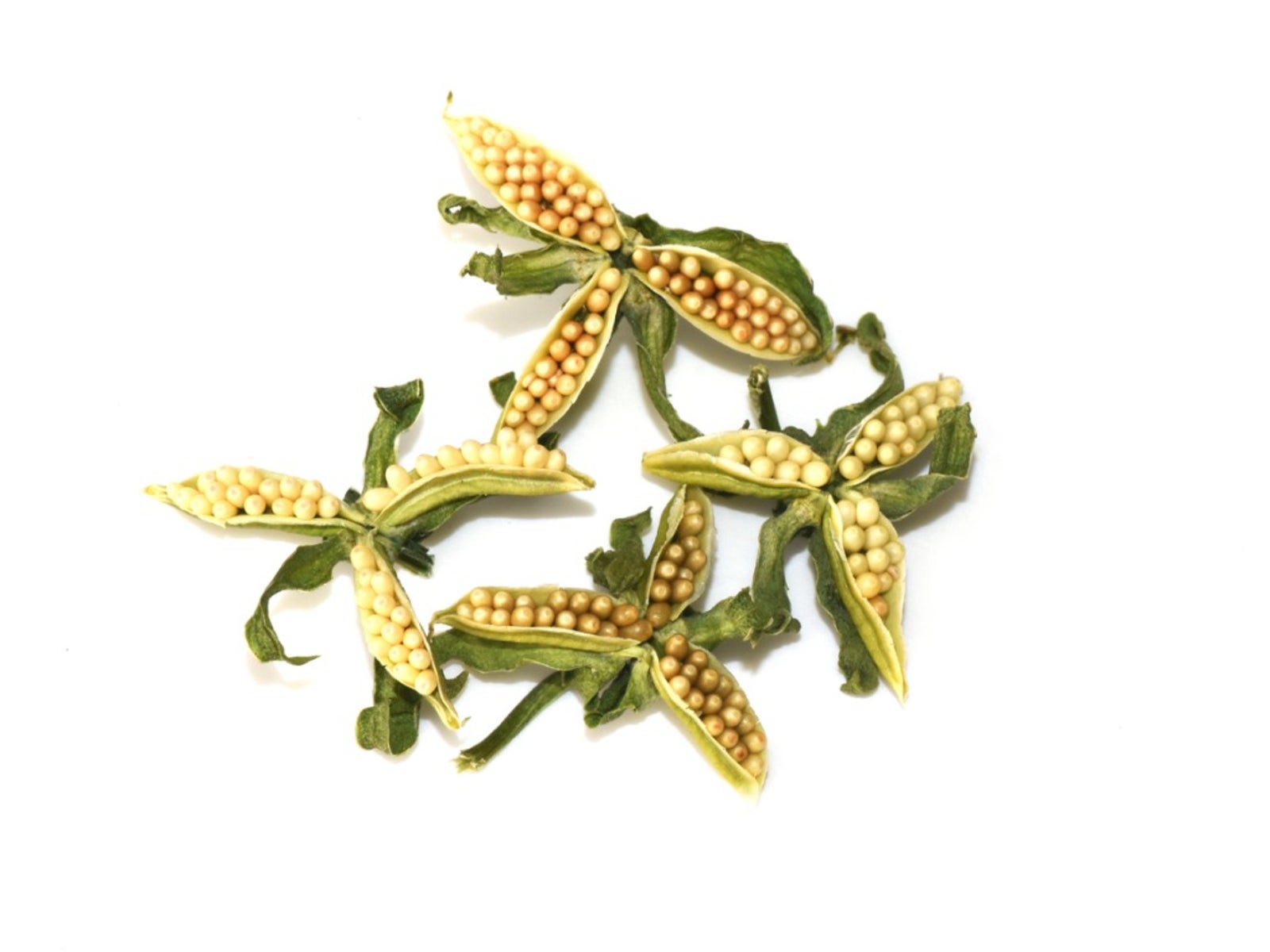
The Beauty of Pansy Seeds: A Guide to Growing and Caring for Pansies
Pansies are beloved for their vibrant colors, delicate petals, and charming “faces” that seem to smile back at you. These cheerful flowers are a popular choice for gardeners looking to add a pop of color to their gardens, containers, or window boxes.
One of the easiest ways to grow pansies is from seeds. Pansy seeds are readily available at garden centers and online stores, making it simple to start your own pansy garden from scratch. Here’s a guide to help you grow and care for these beautiful flowers:
Planting Pansy Seeds:
- Choose a sunny or partially shaded location with well-draining soil.
- Sow the seeds directly into the soil in early spring or late summer for fall blooms.
- Lightly cover the seeds with a thin layer of soil and water gently.
- Keep the soil consistently moist but not waterlogged until the seeds germinate.
Caring for Pansies:
- Water pansies regularly, especially during dry spells, but avoid overwatering.
- Deadhead faded flowers to encourage continuous blooming.
- Fertilize pansies with a balanced fertilizer every few weeks to promote healthy growth.
- Protect pansies from extreme heat or cold by providing shade or insulation as needed.
Pansies are relatively low-maintenance flowers that can thrive in various climates and conditions. With proper care, they can bloom profusely throughout the growing season, adding beauty and charm to your outdoor spaces.
Whether you’re a seasoned gardener or just starting out, growing pansies from seeds is a rewarding experience that allows you to witness the beauty of nature unfolding right before your eyes. So why not plant some pansy seeds today and enjoy their colorful blooms in your garden?
Essential FAQs for Successfully Growing Pansies from Seeds
- 1. When is the best time to plant pansy seeds?
- 2. How deep should I plant pansy seeds?
- 3. How often should I water pansy seeds?
- 4. Do pansy seeds need sunlight to germinate?
- 5. How long does it take for pansy seeds to germinate?
- 6. Can I start pansy seeds indoors before transplanting them outside?
- 7. Should I fertilize pansy seedlings, and if so, how often?
- 8. Are there any common pests or diseases that affect pansies grown from seeds?
1. When is the best time to plant pansy seeds?
The best time to plant pansy seeds is in early spring or late summer for fall blooms. Pansies thrive in cooler temperatures, so planting them during these seasons ensures optimal growing conditions for the seeds to germinate and establish healthy plants. By sowing pansy seeds at the right time, gardeners can enjoy a beautiful display of colorful blooms that brighten up their gardens throughout the growing season.
2. How deep should I plant pansy seeds?
When planting pansy seeds, it is recommended to sow them at a depth of about 1/8 to 1/4 inch in the soil. Pansy seeds are relatively small, so a shallow planting depth ensures that they receive enough light and warmth to germinate successfully. By lightly covering the seeds with a thin layer of soil and keeping them consistently moist, you can help facilitate the germination process and encourage healthy growth of your pansies. Remember to follow the specific instructions provided on the seed packet for optimal results when planting pansy seeds.
3. How often should I water pansy seeds?
When it comes to watering pansy seeds, it is essential to strike a balance to ensure their healthy growth. Pansy seeds should be watered regularly to keep the soil consistently moist but not waterlogged. It is recommended to water pansy seeds whenever the top layer of soil feels dry to the touch. Overwatering can lead to root rot and other issues, so it’s crucial to monitor the moisture levels and adjust your watering schedule accordingly. By providing adequate hydration without drowning the seeds, you can help them germinate and thrive into beautiful pansy plants.
4. Do pansy seeds need sunlight to germinate?
Pansy seeds do not require direct sunlight to germinate, but they do need some light to trigger the germination process. It is recommended to place pansy seeds in a location with indirect light or partial shade for optimal germination. Exposing the seeds to too much direct sunlight can dry them out and hinder germination. Keeping the soil consistently moist and providing the right balance of light will help ensure successful germination of pansy seeds.
5. How long does it take for pansy seeds to germinate?
Pansy seeds typically take around 7 to 14 days to germinate under optimal conditions. Factors such as temperature, moisture levels, and seed quality can affect the germination process. Providing consistent moisture and warmth can help speed up the germination time, while cooler temperatures may delay the process slightly. Patience is key when waiting for pansy seeds to sprout, but with proper care and attention, you’ll soon be rewarded with the sight of tiny green seedlings emerging from the soil, ready to grow into beautiful pansy plants.
6. Can I start pansy seeds indoors before transplanting them outside?
Yes, you can start pansy seeds indoors before transplanting them outside. Starting pansy seeds indoors allows you to get a head start on the growing season and ensures that your pansies will be ready to bloom when the outdoor conditions are optimal. To start pansy seeds indoors, sow them in seed trays or pots filled with seed-starting mix, keep them in a warm and well-lit area, and ensure they receive proper moisture. Once the seedlings have developed a few sets of true leaves, they can be transplanted outdoors after the last frost date. This method can help you extend the blooming period of your pansies and enjoy their colorful flowers for a longer time.
7. Should I fertilize pansy seedlings, and if so, how often?
Fertilizing pansy seedlings is beneficial for their healthy growth and blooming. It is recommended to fertilize pansy seedlings with a balanced fertilizer every few weeks to provide them with essential nutrients for strong root development and vibrant flowers. However, it is important not to over-fertilize, as this can lead to excessive foliage growth at the expense of flower production. By following a regular fertilization schedule and using a balanced fertilizer in moderation, you can ensure that your pansy seedlings receive the nutrients they need to thrive and reward you with beautiful blooms throughout the growing season.
8. Are there any common pests or diseases that affect pansies grown from seeds?
Pansies grown from seeds can be susceptible to a few common pests and diseases. Aphids, slugs, and snails are some of the pests that may target pansies, feeding on their leaves and flowers. Regular inspection of your plants and prompt action to control these pests can help prevent damage. Additionally, pansies may be prone to fungal diseases such as powdery mildew or botrytis if they are exposed to excessive moisture or poor air circulation. Proper watering practices, adequate spacing between plants, and ensuring good air flow can help reduce the risk of these diseases affecting your pansies grown from seeds.