
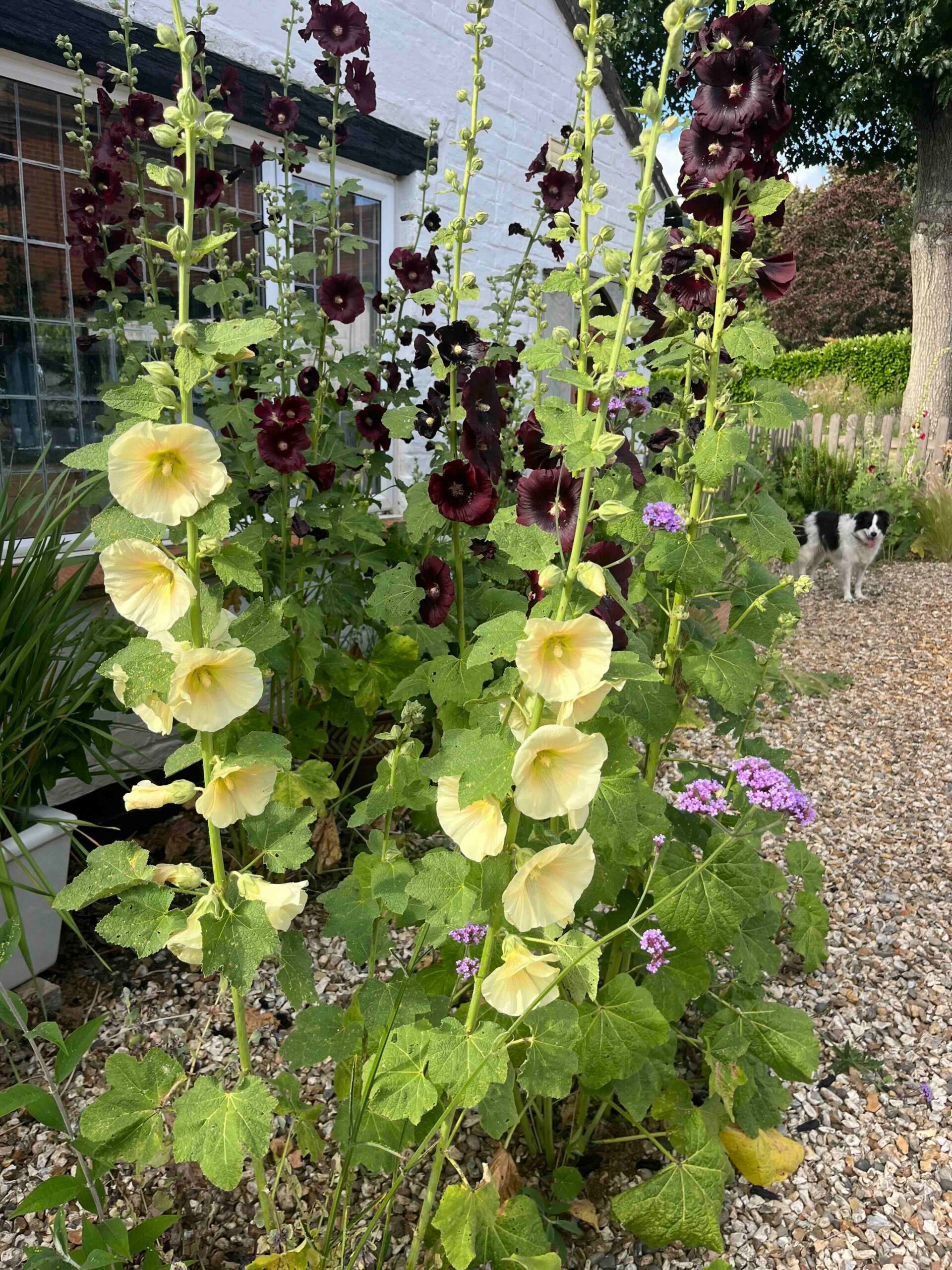
Planting Hollyhock Seeds: A Step-by-Step Guide
Hollyhocks are charming and colorful flowers that can add a touch of whimsy to any garden. Planting hollyhock seeds is a rewarding experience that can result in beautiful blooms in the summer months. Follow these simple steps to successfully grow hollyhocks from seeds:
- Choose the Right Location: Select a sunny spot in your garden with well-draining soil. Hollyhocks thrive in full sun and can reach heights of up to 8 feet, so make sure they have plenty of space to grow.
- Prepare the Soil: Loosen the soil to a depth of about 12 inches and mix in some compost or aged manure to provide nutrients for the seeds.
- Sow the Seeds: Plant hollyhock seeds directly into the soil in early spring or late fall. Scatter the seeds evenly and cover them lightly with soil. Water gently to settle the seeds into place.
- Water Regularly: Keep the soil moist but not waterlogged as hollyhock seeds germinate. Once seedlings emerge, water them regularly, especially during dry spells.
- Thin Out Seedlings: When seedlings reach a few inches tall, thin them out to allow proper spacing between plants. Leave about 18 inches between each seedling to ensure they have room to grow.
- Mulch and Support: Mulch around your hollyhock plants to retain moisture and suppress weeds. As they grow taller, provide support with stakes or trellises to prevent them from bending or breaking in strong winds.
- Enjoy Your Blooms: With proper care and maintenance, your hollyhocks will reward you with stunning blooms in an array of colors. Be patient, as it may take a year or two for hollyhocks to bloom after planting from seeds.
By following these steps, you can successfully plant hollyhock seeds and enjoy their beauty in your garden for years to come!
6 Reasons to Plant Hollyhock Seeds: Easy, Colorful, and Cost-Effective Gardening
- Hollyhock seeds are easy to plant and suitable for beginner gardeners.
- Growing hollyhocks from seeds allows you to choose from a variety of colors and types.
- Hollyhocks attract pollinators like bees and butterflies to your garden.
- These tall flowers make a striking visual impact in any garden or landscape.
- Hollyhocks are low-maintenance once established, requiring minimal care.
- Planting hollyhock seeds is a cost-effective way to fill your garden with beautiful blooms.
Challenges of Planting Hollyhock Seeds: Patience, Protection, and Potential Pitfalls
- Hollyhock seeds can be slow to germinate, requiring patience and consistent care.
- Seedlings are delicate and may require protection from pests and harsh weather conditions.
- Hollyhocks are susceptible to fungal diseases, especially in humid environments.
- Invasive weeds can compete with hollyhock seedlings for nutrients and water.
- Some hollyhock varieties may not produce blooms in the first year after planting from seeds.
- Overwatering or poor drainage can lead to root rot and other issues that may affect the growth of hollyhocks.
Hollyhock seeds are easy to plant and suitable for beginner gardeners.
Hollyhock seeds offer a wonderful advantage for beginner gardeners as they are incredibly easy to plant and cultivate. Their straightforward planting process and low maintenance requirements make them an ideal choice for those new to gardening. With just a little bit of care and attention, even novice gardeners can successfully grow hollyhocks from seeds and enjoy their beautiful blooms in their garden spaces.
Growing hollyhocks from seeds allows you to choose from a variety of colors and types.
Growing hollyhocks from seeds offers the delightful advantage of selecting from a diverse range of colors and types. By starting hollyhocks from seeds, gardeners have the freedom to cultivate a vibrant palette of blooms that suits their personal preferences and garden aesthetics. Whether you prefer classic shades of pink and red or more unique hues like yellow or black, planting hollyhock seeds empowers you to curate a stunning display of colors and varieties that reflect your individual style and creativity.
Hollyhocks attract pollinators like bees and butterflies to your garden.
Planting hollyhock seeds in your garden can be a beneficial way to attract essential pollinators such as bees and butterflies. These charming flowers with their vibrant hues act as a magnet for these pollinators, enhancing the biodiversity of your garden while also supporting the ecosystem. By cultivating hollyhocks, you not only add beauty to your outdoor space but also play a vital role in promoting the health and sustainability of the local pollinator population.
These tall flowers make a striking visual impact in any garden or landscape.
Planting hollyhock seeds offers the pro of creating a striking visual impact in any garden or landscape. With their tall and elegant stature, hollyhocks stand out as eye-catching focal points that add vertical interest and vibrant colors to outdoor spaces. Whether planted along a fence line, in a mixed border, or as a backdrop for shorter plants, hollyhocks bring a sense of beauty and charm to the surroundings, making them a delightful addition to any garden design.
Hollyhocks are low-maintenance once established, requiring minimal care.
Once established, hollyhocks prove to be a gardener’s delight with their low-maintenance nature, demanding minimal care to thrive. These resilient flowers are a perfect choice for those seeking a beautiful addition to their garden without the need for constant attention. Once hollyhocks take root and establish themselves, they can flourish with little intervention, allowing gardeners to enjoy their vibrant blooms effortlessly.
Planting hollyhock seeds is a cost-effective way to fill your garden with beautiful blooms.
Planting hollyhock seeds offers a cost-effective solution to creating a vibrant and colorful garden filled with beautiful blooms. By opting to grow hollyhocks from seeds, gardeners can enjoy a wide variety of colors and forms without the expense of purchasing mature plants. This budget-friendly approach not only allows for a diverse and personalized garden design but also provides the satisfaction of nurturing the plants from their earliest stages of growth. With hollyhock seeds, you can achieve a stunning display of flowers while staying mindful of your gardening budget.
Hollyhock seeds can be slow to germinate, requiring patience and consistent care.
One challenge of planting hollyhock seeds is their slow germination process, which demands patience and diligent care from gardeners. Due to their nature, hollyhock seeds may take some time to sprout and establish, requiring consistent watering and monitoring to ensure successful growth. This slow pace of germination can test the patience of gardeners eager to see results, but with perseverance and careful attention, the beauty of hollyhocks will eventually grace the garden with their vibrant blooms.
Seedlings are delicate and may require protection from pests and harsh weather conditions.
One challenge of planting hollyhock seeds is that seedlings are delicate and vulnerable to pests as well as harsh weather conditions. Without proper protection, young hollyhock plants may fall prey to insects or adverse weather such as strong winds or heavy rains. It is essential for gardeners to monitor their seedlings closely and take preventive measures to shield them from potential threats, ensuring their healthy growth and development into mature flowering plants.
Hollyhocks are susceptible to fungal diseases, especially in humid environments.
One significant drawback of planting hollyhock seeds is their susceptibility to fungal diseases, particularly in humid environments. Hollyhocks are prone to issues such as rust, powdery mildew, and leaf spot when exposed to moisture for prolonged periods. These fungal diseases can weaken the plants, cause discoloration and deformities in the leaves, and ultimately affect the overall health and appearance of the hollyhocks. Gardeners in humid regions need to take extra precautions, such as providing good air circulation, avoiding overhead watering, and using fungicidal treatments when necessary, to prevent fungal infections and ensure the successful growth of hollyhocks.
Invasive weeds can compete with hollyhock seedlings for nutrients and water.
One significant drawback of planting hollyhock seeds is the potential competition from invasive weeds for essential resources like nutrients and water. Invasive weeds can quickly overtake the garden bed, stifling the growth of delicate hollyhock seedlings and hindering their development. This competition can lead to stunted growth, reduced flowering, and overall poor health of the hollyhocks if not managed effectively. Vigilant weed control measures and regular maintenance are crucial to ensure that hollyhock seedlings have the best chance to thrive and flourish in a weed-free environment.
Some hollyhock varieties may not produce blooms in the first year after planting from seeds.
One potential drawback of planting hollyhock seeds is that certain varieties may not produce blooms in the first year after planting. This delay in flowering can be disappointing for gardeners who are eager to see the colorful blooms adorn their garden. It requires patience and understanding that hollyhocks, particularly certain biennial varieties, may take a year or two to establish themselves before flowering. However, with proper care and attention, the wait can be well worth it as these stunning flowers eventually grace the garden with their beauty.
Overwatering or poor drainage can lead to root rot and other issues that may affect the growth of hollyhocks.
Overwatering or poor drainage can be a significant con when planting hollyhock seeds. Excessive moisture in the soil can lead to root rot and other issues that may compromise the health and growth of hollyhocks. Root rot can cause the roots to decay, depriving the plant of essential nutrients and water absorption, ultimately stunting its growth and potentially leading to the plant’s demise. It is crucial to strike a balance in watering hollyhocks, ensuring that the soil is moist but not waterlogged, and that proper drainage is maintained to prevent water from accumulating around the roots.