
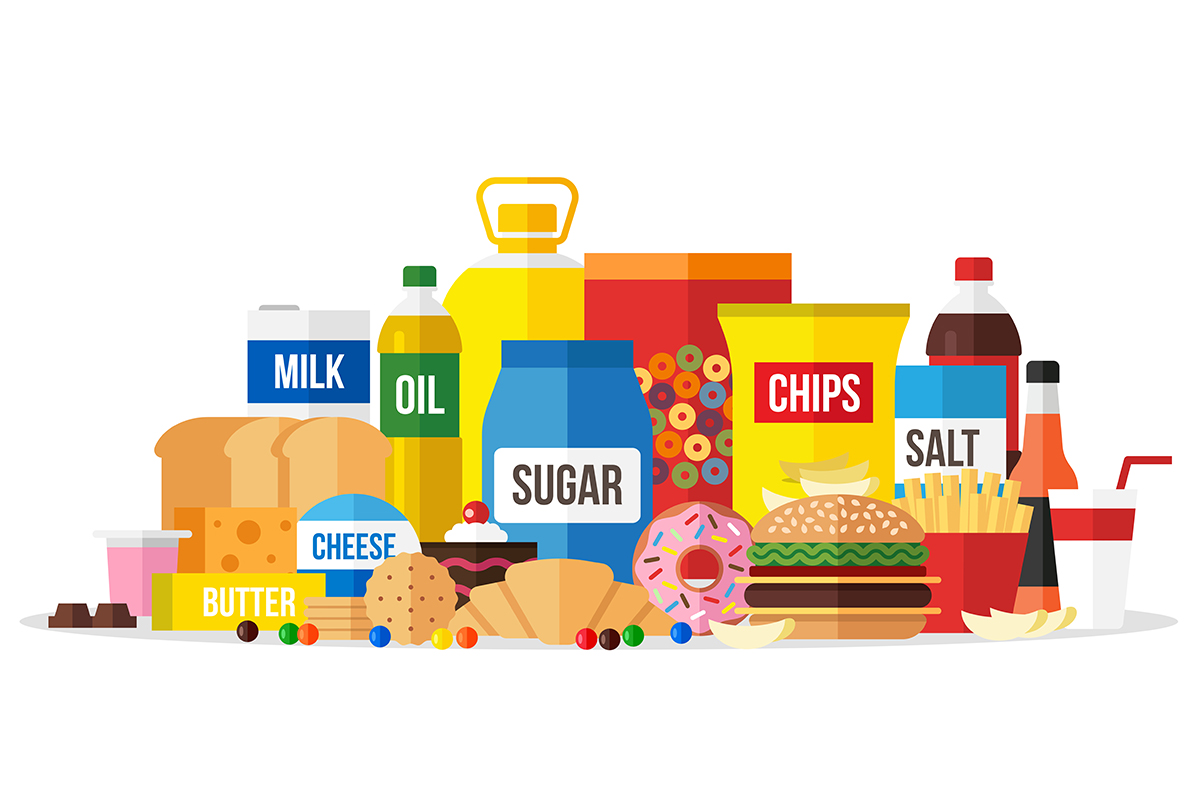
The Role of Additives in Our Food
Food additives are substances added to food to preserve flavor or enhance its taste and appearance. They serve various functions, such as prolonging shelf life, improving texture, and maintaining nutritional value. While some additives are natural, others are synthetic chemicals that raise concerns among consumers.
Types of Additives:
There are different types of food additives, including:
- Preservatives: These additives prevent spoilage and extend the shelf life of food products.
- Colorings: Used to enhance or maintain the color of food.
- Flavorings: Additives that improve or modify the taste of food.
- Sweeteners: Substances used to sweeten foods without adding calories.
- Emulsifiers: Help mix ingredients that do not naturally combine well.
Potential Concerns:
While many additives are deemed safe for consumption by regulatory agencies, some studies suggest potential health risks associated with certain synthetic additives. Common concerns include allergic reactions, hyperactivity in children, and long-term health effects from prolonged exposure.
Making Informed Choices:
To make informed choices about the foods we consume, it’s essential to understand the role of additives and their potential impact on our health. Reading ingredient labels, opting for minimally processed foods, and choosing organic products can help reduce exposure to synthetic additives.
In Conclusion:
Additives play a crucial role in modern food production by improving taste, appearance, and shelf life. While concerns exist about certain synthetic additives, regulatory agencies work to ensure the safety of these substances. By staying informed and making conscious choices about the foods we eat, we can maintain a healthy balance between convenience and nutrition.
Five Benefits of Food Additives: Extending Shelf Life, Enhancing Flavor, and More
- Additives can help extend the shelf life of food products, reducing food waste.
- Certain additives enhance the flavor and appearance of foods, making them more appealing to consumers.
- Additives can improve food safety by preventing spoilage and contamination.
- Some additives contribute to maintaining the nutritional value of processed foods.
- The use of additives allows for greater convenience in food preparation and storage.
7 Concerns About Additives: Health, Flavor, and Environmental Impacts
- Some additives may cause allergic reactions in sensitive individuals.
- Certain synthetic additives have been linked to hyperactivity in children.
- Long-term consumption of certain additives may have unknown health effects.
- Additives can mask the natural flavors of food, leading to a loss of authenticity.
- Excessive use of additives in processed foods can contribute to a less nutritious diet.
- The presence of additives in food products may make it challenging to identify truly healthy options.
- Synthetic additives may raise concerns about environmental impact during production and disposal.
Additives can help extend the shelf life of food products, reducing food waste.
Additives play a beneficial role in extending the shelf life of food products, thereby reducing food waste. By incorporating preservatives and other additives into foods, manufacturers can slow down spoilage and maintain product quality for a longer period. This not only allows for greater flexibility in distribution and storage but also helps consumers keep food items fresher for an extended time, ultimately contributing to the reduction of food waste at both the production and consumer levels.
Certain additives enhance the flavor and appearance of foods, making them more appealing to consumers.
Certain additives play a vital role in enhancing the flavor and appearance of foods, ultimately making them more enticing to consumers. By carefully selecting and incorporating additives such as natural flavorings and colorings, food manufacturers can create products that not only taste delicious but also look visually appealing. These additives help elevate the sensory experience of consuming food, leading to increased consumer satisfaction and enjoyment. Ultimately, the use of these additives contributes to the overall appeal and marketability of various food products on the shelves.
Additives can improve food safety by preventing spoilage and contamination.
Additives play a vital role in enhancing food safety by effectively preventing spoilage and contamination. By inhibiting the growth of harmful bacteria and fungi, additives help extend the shelf life of food products, reducing the risk of foodborne illnesses. Additionally, certain additives act as preservatives, maintaining the freshness and quality of foods during storage and transportation. Through their protective properties, additives contribute to ensuring that consumers receive safe and wholesome food products.
Some additives contribute to maintaining the nutritional value of processed foods.
Certain additives play a vital role in maintaining the nutritional value of processed foods. For example, antioxidants like vitamin C and vitamin E are commonly used as additives to prevent the oxidation of fats and oils in food products, thus preserving essential nutrients. By incorporating these additives, food manufacturers can ensure that processed foods retain their nutritional content and provide consumers with important vitamins and minerals even after processing and storage. This helps to address concerns about nutrient loss during food processing and distribution, ultimately supporting a more balanced diet for consumers.
The use of additives allows for greater convenience in food preparation and storage.
The use of additives in food offers the advantage of increased convenience in both food preparation and storage. By incorporating preservatives, stabilizers, and other additives, food products can have extended shelf lives, reducing the need for frequent shopping trips and minimizing food waste. Additionally, additives can enhance the flavor and texture of foods, providing consumers with a wider variety of convenient and ready-to-eat options. This convenience factor is especially beneficial for busy individuals and families looking to save time without compromising on taste or quality.
Some additives may cause allergic reactions in sensitive individuals.
Certain additives used in food products have been linked to triggering allergic reactions in individuals who are sensitive to specific substances. These reactions can range from mild symptoms like hives or itching to more severe reactions such as difficulty breathing or anaphylaxis. For those with known allergies or sensitivities, the presence of certain additives in food can pose a significant risk to their health and well-being. It is crucial for consumers to carefully read ingredient labels and be aware of potential allergens present in processed foods to avoid adverse reactions.
Certain synthetic additives have been linked to hyperactivity in children.
Certain synthetic additives used in food products have been associated with increased hyperactivity in children. Studies have shown a potential link between the consumption of these additives and behavioral issues, particularly in young individuals. Parents and caregivers are advised to be cautious when choosing foods for children, opting for products with minimal synthetic additives to help reduce the risk of exacerbating hyperactive behavior.
Long-term consumption of certain additives may have unknown health effects.
Long-term consumption of certain additives in food products may pose a significant con due to the potential for unknown health effects. While regulatory agencies assess the safety of additives before approving them for use, the cumulative impact of prolonged exposure to these substances remains a concern. Studies have suggested that some synthetic additives could have adverse effects on human health over time, including metabolic disorders, hormonal disruptions, and increased risk of chronic diseases. As such, consumers are advised to be cautious about the types and amounts of additives consumed regularly to minimize any potential long-term health risks.
Additives can mask the natural flavors of food, leading to a loss of authenticity.
Additives in food can sometimes mask the natural flavors of ingredients, resulting in a loss of authenticity in the final product. By enhancing taste or altering texture, additives may overshadow the inherent flavors that make each food unique. This can lead to a homogenized taste experience where the true essence of the ingredients is diminished. Consumers seeking genuine and unadulterated flavors may find that foods containing excessive additives lack the richness and authenticity found in minimally processed or organic alternatives.
Excessive use of additives in processed foods can contribute to a less nutritious diet.
The excessive use of additives in processed foods can contribute to a less nutritious diet. When food manufacturers rely heavily on additives to enhance flavor, texture, and shelf life, they may compromise the nutritional value of the final product. Consuming processed foods high in additives often means consuming added sugars, unhealthy fats, and artificial ingredients that offer little to no nutritional benefit. This can lead to a diet lacking in essential nutrients like vitamins, minerals, and fiber, ultimately affecting overall health and well-being. It is important for consumers to be mindful of the additives present in processed foods and strive to prioritize whole, minimally processed foods for a more nutritious diet.
The presence of additives in food products may make it challenging to identify truly healthy options.
The presence of additives in food products poses a significant challenge when trying to identify truly healthy options. With numerous synthetic chemicals and artificial substances added to processed foods, consumers often find it difficult to discern between products that offer genuine nutritional value and those that are laden with additives for flavor enhancement or shelf life extension. This lack of transparency can lead to confusion and make it harder for individuals to make informed choices about their diet, potentially compromising their overall health and well-being.
Synthetic additives may raise concerns about environmental impact during production and disposal.
Synthetic additives in food production may raise valid concerns about their environmental impact throughout the production process and disposal. The manufacturing of synthetic additives often involves the use of chemicals and energy-intensive processes that contribute to pollution and resource depletion. Additionally, when these additives are disposed of improperly, they can contaminate soil, water sources, and ecosystems, posing risks to wildlife and human health. Addressing the environmental consequences of synthetic additives requires a holistic approach that considers sustainable alternatives and responsible waste management practices to minimize their negative effects on the environment.