
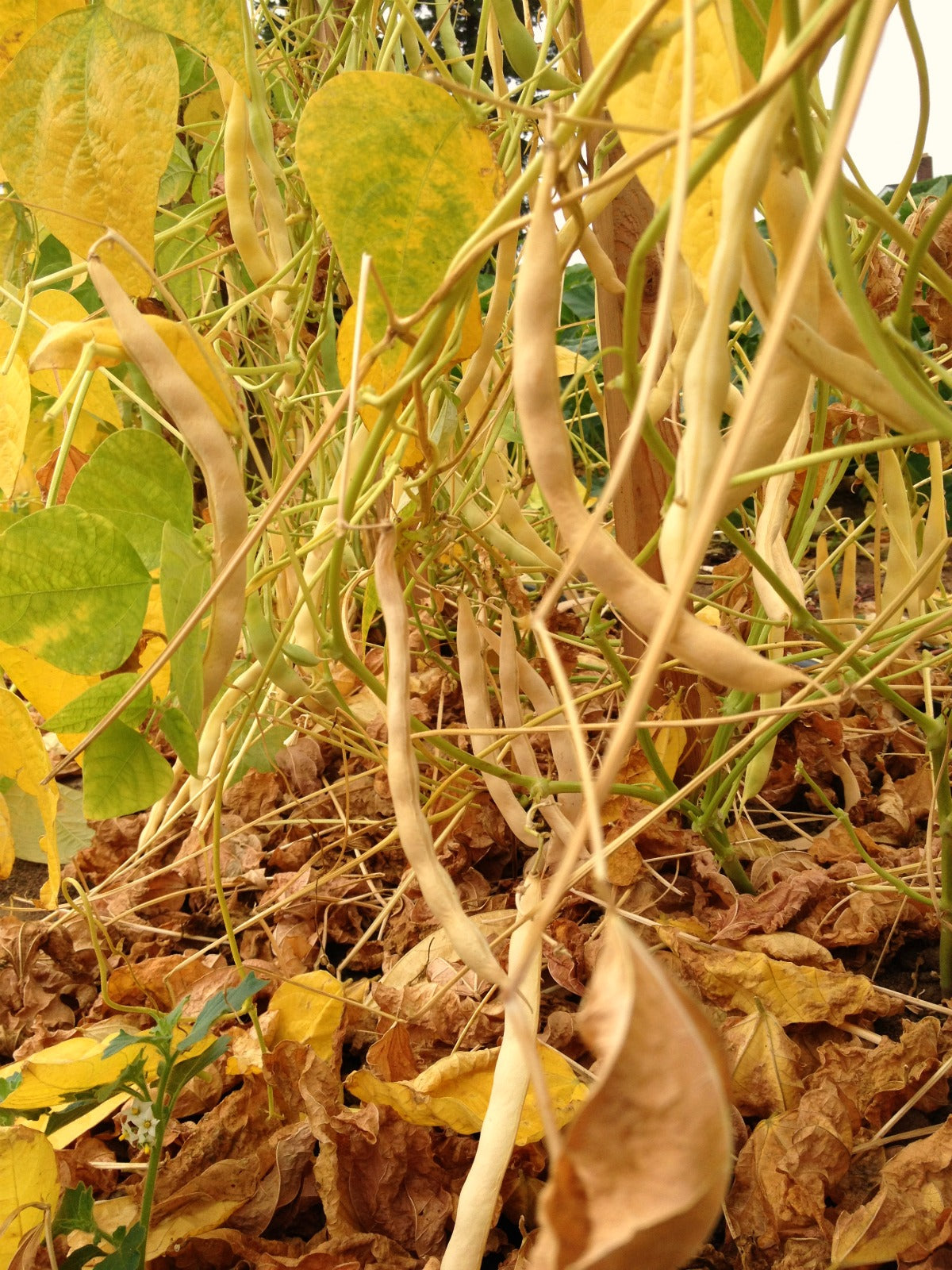
The Wonderful World of Bean Plants
Bean plants, belonging to the legume family, are versatile and nutritious additions to any garden. These plants come in various types, including bush beans and pole beans, each with its own unique growing habits and characteristics.
Types of Bean Plants
Bush Beans: Compact plants that do not require support structures. Ideal for small gardens or containers.
Pole Beans: Vine-like plants that need trellises or poles for support. They can grow vertically, saving space in the garden.
Growing Conditions
Bean plants thrive in well-drained soil with full sun exposure. They prefer slightly acidic soil with a pH level between 6.0 and 7.0.
Planting and Care Tips
- Sow bean seeds directly into the ground after the last frost date in your area.
- Provide adequate water, especially during flowering and pod development stages.
- Weed regularly to prevent competition for nutrients.
- Mulch around the base of bean plants to retain soil moisture and suppress weeds.
- Harvest beans when they are young and tender for the best flavor.
Benefits of Growing Bean Plants
Nutritious: Beans are rich in protein, fiber, vitamins, and minerals, making them a healthy addition to your diet.
Nitrogen Fixation: Bean plants have nodules on their roots that help fix nitrogen in the soil, benefiting other nearby plants.
Sustainable: Beans are a sustainable crop that can be grown easily without heavy reliance on chemical fertilizers.
In Summary
Bean plants are not only easy to grow but also offer numerous benefits to both your garden and your health. Whether you choose bush beans or pole beans, adding these versatile plants to your garden will surely enhance your gardening experience.
6 Essential Tips for Growing Healthy Bean Plants
- Plant beans in well-drained soil with full sun exposure.
- Water bean plants consistently, keeping the soil evenly moist but not waterlogged.
- Provide support for climbing varieties of beans to help them grow vertically.
- Mulch around bean plants to retain moisture and suppress weeds.
- Fertilize bean plants with a balanced fertilizer to promote healthy growth and production.
- Harvest beans regularly to encourage continuous production throughout the growing season.
Plant beans in well-drained soil with full sun exposure.
Planting beans in well-drained soil with full sun exposure is crucial for their optimal growth and productivity. Beans thrive in sunny conditions as they require ample sunlight to photosynthesize and develop healthy foliage and pods. Additionally, well-drained soil prevents waterlogging, which can lead to root rot and other plant diseases. By ensuring proper drainage and sunlight exposure, you provide an ideal environment for your bean plants to flourish, resulting in robust growth and abundant harvests.
Water bean plants consistently, keeping the soil evenly moist but not waterlogged.
To ensure the healthy growth of bean plants, it is essential to maintain consistent watering practices. Keeping the soil evenly moist, but not waterlogged, is crucial for the optimal development of bean plants. Overly wet conditions can lead to root rot and other issues, while allowing the soil to dry out completely can stunt growth and reduce yield. By providing a balanced level of moisture, bean plants can thrive and produce bountiful harvests throughout the growing season.
Provide support for climbing varieties of beans to help them grow vertically.
For climbing varieties of beans, it is essential to provide adequate support to encourage vertical growth. By offering trellises or poles for these plants to climb, you can help them reach their full potential and maximize space in your garden. Supporting climbing bean plants not only promotes healthy growth but also makes harvesting easier and more efficient. Additionally, vertical growth can enhance air circulation around the plants, reducing the risk of diseases and improving overall plant health. Remember to install the support structures early in the growing season to ensure that the bean plants have proper guidance as they grow upward.
Mulch around bean plants to retain moisture and suppress weeds.
Mulching around bean plants is a beneficial practice that helps conserve soil moisture and reduce weed growth. By adding a layer of organic mulch such as straw, grass clippings, or shredded leaves around the base of the bean plants, you create a barrier that helps retain moisture in the soil, ensuring that the roots have consistent access to water. Additionally, the mulch acts as a natural weed suppressant by blocking sunlight from reaching weed seeds, thus inhibiting their germination and growth. This simple yet effective technique not only promotes healthier bean plants but also minimizes the need for frequent watering and weeding, making gardening more manageable and sustainable.
Fertilize bean plants with a balanced fertilizer to promote healthy growth and production.
To ensure optimal growth and productivity of your bean plants, it is recommended to fertilize them with a balanced fertilizer. By providing the necessary nutrients through fertilization, you can support the overall health of the plants and encourage robust growth. A balanced fertilizer will help bean plants develop strong root systems, lush foliage, and abundant yields of delicious beans. Incorporating this simple tip into your gardening routine can make a significant difference in the success of your bean crop.
Harvest beans regularly to encourage continuous production throughout the growing season.
Harvesting beans regularly is a crucial tip to promote continuous production during the growing season. By harvesting beans promptly when they reach the ideal size and maturity, you encourage the plant to keep producing new pods. Regular harvesting prevents the beans from becoming overripe, which can signal the plant to stop producing more pods. This practice not only ensures a steady supply of fresh beans for your kitchen but also helps maintain the plant’s vigor and productivity throughout the growing season.