
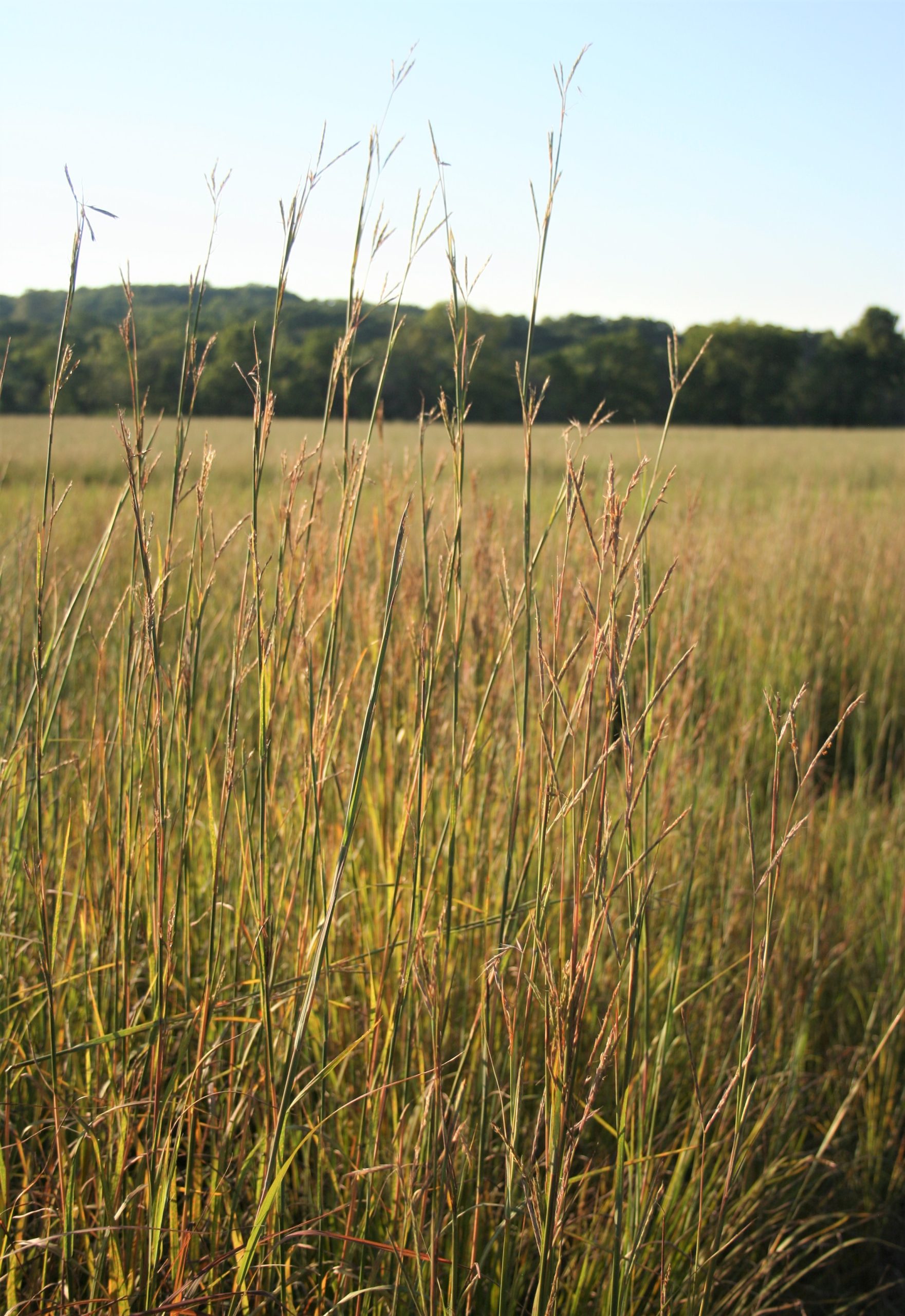
The Beauty of Big Bluestem Grass
Big Bluestem, also known as Andropogon gerardii, is a native grass species that is not only beautiful but also plays a crucial role in supporting biodiversity and ecosystem health.
This tall, upright grass is a common sight in prairies and grasslands across North America. Its distinctive blue-green foliage turns a stunning reddish-bronze color in the fall, adding a pop of color to the landscape.
Big Bluestem is not just visually appealing – it also provides important habitat and food sources for wildlife. Birds feed on its seeds, while insects seek shelter in its dense foliage. Its deep root system helps prevent soil erosion and improves soil health.
Gardeners and landscapers are increasingly incorporating Big Bluestem into their designs for its ornamental value and ecological benefits. It thrives in sunny locations with well-drained soil and requires minimal maintenance once established.
Whether you admire Big Bluestem in its natural habitat or incorporate it into your own garden, this iconic grass species serves as a reminder of the beauty and resilience of native plants.
Common Questions About Big Bluestem: Growth, Blooming, Wildlife Attraction, and More
- What is Big Bluestem?
- How tall does Big Bluestem grow?
- When does Big Bluestem bloom?
- Is Big Bluestem easy to grow in home gardens?
- What wildlife does Big Blue Stem attract?
- Is Big Blue Stem drought tolerant?
What is Big Bluestem?
Big Bluestem, scientifically known as Andropogon gerardii, is a native grass species commonly found in prairies and grasslands across North America. Also referred to as turkey foot or tall bluestem, Big Bluestem is characterized by its tall, upright growth habit and distinctive blue-green foliage that turns a striking reddish-brown color in the fall. This iconic grass not only adds visual appeal to landscapes but also serves important ecological functions by providing habitat and food for wildlife, preventing soil erosion with its deep root system, and contributing to overall ecosystem health. Gardeners and landscapers are increasingly recognizing the ornamental value and environmental benefits of incorporating Big Bluestem into their designs.
How tall does Big Bluestem grow?
Big Bluestem, also known as Andropogon gerardii, is a tall and majestic grass species that can reach impressive heights. On average, Big Bluestem can grow anywhere from 4 to 8 feet tall, with some specimens even reaching heights of up to 12 feet in optimal growing conditions. This towering grass adds vertical interest and a sense of grandeur to prairies, grasslands, and garden landscapes. Its impressive height makes it a standout feature in any planting scheme and contributes to its reputation as a visually striking and ecologically valuable plant species.
When does Big Bluestem bloom?
Big Bluestem, also known as Andropogon gerardii, typically blooms in late summer to early fall. The flowering period of Big Bluestem usually begins in July and can extend into September, depending on the local climate and growing conditions. During this time, the grass produces distinctive purplish-brown flower spikes that add visual interest to the landscape. The blooming of Big Bluestem is not only a beautiful sight but also an important part of its life cycle, attracting pollinators and contributing to seed production for future generations.
Is Big Bluestem easy to grow in home gardens?
Big Bluestem, also known as Andropogon gerardii, can be a rewarding addition to home gardens for those looking to incorporate native grasses. While Big Bluestem is relatively easy to grow in the right conditions – full sun and well-drained soil – it does require some attention to thrive. Once established, Big Bluestem is known for its low maintenance needs and drought tolerance, making it a resilient choice for gardeners. With its striking appearance and ecological benefits, including supporting wildlife and improving soil health, Big Bluestem can be a valuable addition to home landscapes for those willing to provide the necessary growing conditions.
What wildlife does Big Blue Stem attract?
Big Blue Stem, also known as Andropogon gerardii, is a valuable plant species that attracts a variety of wildlife to its habitat. This native grass serves as a food source and shelter for numerous bird species, including sparrows, finches, and meadowlarks, which feed on its seeds and insects. In addition, Big Blue Stem provides nesting sites for ground-nesting birds like quail and pheasants. Small mammals such as rabbits and deer are also attracted to the dense foliage of this grass for cover and forage. Overall, Big Blue Stem plays a vital role in supporting biodiversity by creating a thriving ecosystem that benefits both wildlife and the environment.
Is Big Blue Stem drought tolerant?
Big Bluestem, also known as Andropogon gerardii, is renowned for its exceptional drought tolerance. This native grass species has deep roots that can extend several feet into the soil, allowing it to access water sources that may be inaccessible to other plants during dry periods. Big Bluestem’s ability to withstand prolonged periods of drought makes it a popular choice for landscaping in arid regions or areas with limited water availability. Gardeners and landscapers looking for a low-maintenance and water-efficient plant often turn to Big Bluestem for its resilience in challenging environmental conditions.