
The Beauty and Benefits of Big Bluestem Grass
Big Bluestem, scientifically known as Andropogon gerardii, is a native grass species that holds both aesthetic and ecological value. Commonly found in the tallgrass prairies of North America, Big Bluestem is celebrated for its striking appearance and numerous environmental benefits.
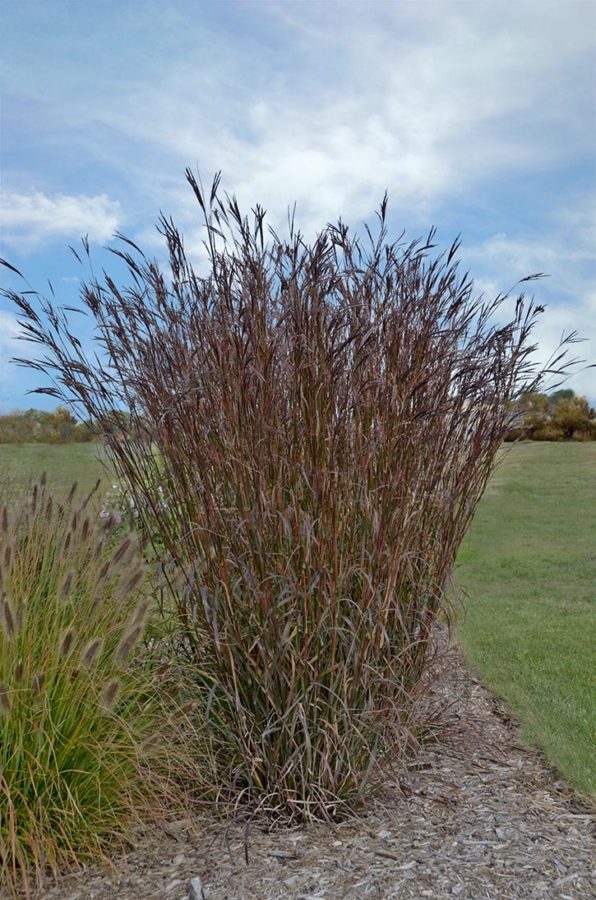
One of the most distinctive features of Big Bluestem is its height, which can reach up to 6-8 feet tall. Its bluish-green stems give rise to purplish-tinged seed heads in late summer, creating a visually stunning display in the landscape. This grass is a favorite among gardeners and landscapers for its ornamental appeal and ability to add texture and movement to gardens and natural areas.
Aside from its beauty, Big Bluestem plays a crucial role in supporting biodiversity and ecosystem health. As a native grass species, it provides habitat and food sources for various wildlife, including birds, insects, and small mammals. Its deep root system helps prevent soil erosion, improves water infiltration, and sequesters carbon from the atmosphere, making it an important component of sustainable land management practices.
Gardeners appreciate Big Bluestem for its low maintenance requirements once established. It is drought-tolerant, adapts well to a variety of soil types, and thrives in full sun conditions. Whether used in prairie restoration projects, rain gardens, or as a focal point in landscaping designs, Big Bluestem adds a touch of natural beauty while contributing to environmental conservation efforts.
In conclusion, Big Bluestem grass stands out as not only a visually captivating plant but also as a valuable asset to our ecosystems. By incorporating this native grass species into our landscapes and conservation efforts, we can enhance biodiversity, promote sustainability, and enjoy the many benefits it has to offer.
8 Essential Tips for Growing and Maintaining Big Bluestem Grass
- Big bluestem is a native grass of North America.
- It is also known as turkeyfoot or tall bluestem.
- Big bluestem can grow up to 6-8 feet tall.
- It has blue-green stems and leaves that turn reddish-brown in the fall.
- This grass is drought-tolerant once established.
- Big bluestem provides food and habitat for wildlife.
- It is commonly used in prairie restoration and landscaping.
- Regular pruning helps maintain its health and appearance.
Big bluestem is a native grass of North America.
Big bluestem, known scientifically as Andropogon gerardii, is a native grass species of North America. This tallgrass prairie plant holds significant ecological importance as it has evolved to thrive in the diverse ecosystems of the region. Its adaptation to the North American climate and soil conditions makes it a resilient and sustainable choice for landscaping and conservation projects. By utilizing big bluestem in gardens and natural areas, we not only enhance the beauty of our surroundings but also support the preservation of native plant species and their vital roles in local ecosystems.
It is also known as turkeyfoot or tall bluestem.
Big Bluestem, a native grass species cherished for its beauty and ecological significance, is also recognized by the names “turkeyfoot” or “tall bluestem.” These alternative monikers highlight the distinctive appearance of Big Bluestem, with its characteristic seed heads resembling the shape of a turkey’s foot and its towering height that can reach up to 8 feet. The various names associated with this grass species add to its allure and showcase the rich diversity of nature’s offerings.
Big bluestem can grow up to 6-8 feet tall.
Big Bluestem, a native grass species known for its beauty and ecological benefits, has the remarkable ability to reach towering heights of 6-8 feet. This impressive stature makes it a striking presence in gardens, natural areas, and prairies, adding vertical interest and texture to the landscape. Gardeners and landscapers appreciate the dramatic impact that Big Bluestem’s height can bring to their designs, while wildlife benefits from the shelter and food sources provided by this tall grass species.
It has blue-green stems and leaves that turn reddish-brown in the fall.
Big Bluestem, known for its blue-green stems and leaves, undergoes a stunning transformation in the fall as its foliage transitions to a rich reddish-brown hue. This change in color adds another dimension to the visual appeal of Big Bluestem, making it a versatile and dynamic plant that offers year-round interest in gardens and natural landscapes.
This grass is drought-tolerant once established.
Big Bluestem, a resilient and versatile grass species, demonstrates exceptional drought tolerance once it has taken root and established itself in its environment. This characteristic makes Big Bluestem an ideal choice for landscapes and gardens in regions prone to dry conditions, as it can thrive with minimal water input once it has settled in. By requiring less irrigation and maintenance once established, Big Bluestem not only conserves water resources but also offers a sustainable landscaping option for those seeking low-maintenance yet visually appealing plant choices.
Big bluestem provides food and habitat for wildlife.
Big bluestem serves as a vital source of food and habitat for wildlife, making it an essential component of ecosystems. The tall grass provides shelter for birds, insects, and small mammals, offering protection and nesting sites. Additionally, the seeds of big bluestem are a valuable food source for various wildlife species, contributing to their survival and overall biodiversity. By supporting diverse wildlife populations, big bluestem plays a crucial role in maintaining healthy ecosystems and promoting ecological balance.
It is commonly used in prairie restoration and landscaping.
Big Bluestem, a tall and visually striking native grass species, is frequently employed in prairie restoration and landscaping projects. Its impressive height, ornamental seed heads, and deep root system make it a popular choice for adding both beauty and ecological benefits to natural areas. Whether aiming to recreate the diverse ecosystems of native prairies or enhance the sustainability of landscaping designs, Big Bluestem’s adaptability and environmental contributions make it a valuable asset in promoting biodiversity and conservation efforts.
Regular pruning helps maintain its health and appearance.
Regular pruning is essential for maintaining the health and appearance of Big Bluestem grass. By trimming back dead or damaged stems, you can promote new growth, prevent disease, and encourage a more vigorous and attractive plant. Pruning also helps to control the height and spread of Big Bluestem, ensuring that it remains in optimal condition and continues to thrive in your garden or landscape.