
The Beauty and Benefits of Big Bluestem Grass
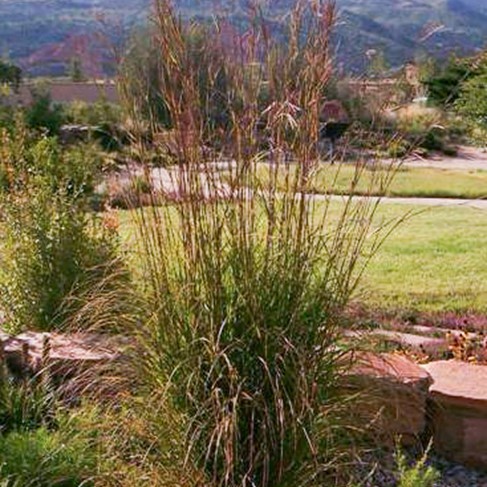
Big Bluestem grass, scientifically known as Andropogon gerardii, is a native grass species that is not only beautiful but also beneficial for the environment. Commonly found in prairies and open woodlands across North America, this tall, upright grass can reach heights of up to 6-8 feet.
One of the most striking features of Big Bluestem grass is its unique bluish-green foliage that turns a stunning reddish-bronze color in the fall, adding a touch of color to the landscape. Its feathery seed heads also provide visual interest and attract birds and other wildlife.
Aside from its aesthetic appeal, Big Bluestem grass offers several environmental benefits. Its deep root system helps prevent soil erosion and improves soil structure by increasing organic matter content. This makes it an excellent choice for stabilizing slopes or restoring disturbed landscapes.
Furthermore, Big Bluestem grass is a valuable food source for wildlife, providing cover and nesting sites for birds and habitat for insects. It also serves as a host plant for butterfly larvae, supporting pollinator populations.
In addition to its ecological benefits, Big Bluestem grass is relatively low-maintenance once established, requiring minimal watering and fertilization. It is also drought-tolerant and adaptable to a wide range of soil types, making it suitable for various landscaping applications.
Whether used in prairie restorations, rain gardens, or ornamental landscapes, Big Bluestem grass adds texture, movement, and beauty to any setting while promoting biodiversity and sustainability.
Consider incorporating this native grass species into your landscape design to enjoy its beauty and contribute to a healthier ecosystem.
9 Essential Tips for Growing and Maintaining Big Bluestem Grass
- Plant big bluestem grass in well-drained soil.
- Ensure the location receives full sunlight for optimal growth.
- Water newly planted big bluestem regularly to help establish roots.
- Avoid overwatering as big bluestem is drought-tolerant once established.
- Fertilize big bluestem sparingly, as it does not require heavy feeding.
- Cut back big bluestem in late winter or early spring to promote new growth.
- Divide mature clumps of big bluestem every few years to maintain vigor.
- Monitor for pests and diseases, addressing any issues promptly.
- Consider planting companion plants that complement the beauty of big bluestem.
Plant big bluestem grass in well-drained soil.
To ensure the optimal growth and health of big bluestem grass, it is crucial to plant it in well-drained soil. Big bluestem grass thrives in soil that allows excess water to drain away effectively, preventing waterlogging and root rot. Planting this native grass species in well-drained soil promotes healthy root development, enhances nutrient uptake, and reduces the risk of disease. By selecting a suitable planting location with good drainage, gardeners can support the vigor and longevity of their big bluestem grass plants, contributing to a thriving landscape ecosystem.
Ensure the location receives full sunlight for optimal growth.
To ensure the optimal growth of Big Bluestem grass, it is essential to plant it in a location that receives full sunlight. Big Bluestem grass thrives in sunny conditions, allowing it to photosynthesize efficiently and develop strong, healthy foliage. Adequate sunlight exposure also promotes robust root development, which is crucial for the overall health and stability of the plant. By selecting a sunny spot for your Big Bluestem grass, you can encourage vigorous growth and vibrant coloration, enhancing the beauty and vitality of your landscape.
Water newly planted big bluestem regularly to help establish roots.
Watering newly planted Big Bluestem grass regularly is essential to aid in the establishment of strong and healthy roots. Adequate moisture during the initial growth phase helps the plant develop a robust root system, enabling it to better withstand drought conditions and thrive in its new environment. By providing consistent watering, you can support the growth and vitality of your Big Bluestem grass, ensuring its long-term success in your landscape.
Avoid overwatering as big bluestem is drought-tolerant once established.
To ensure the optimal health and growth of your big bluestem grass, it is essential to avoid overwatering, especially once the grass is established. Big bluestem is naturally drought-tolerant and can thrive with minimal water once its root system is well-developed. Overwatering can lead to root rot and other issues that may compromise the plant’s resilience to dry conditions. By allowing the soil to dry out between waterings and only providing supplemental water during prolonged periods of drought, you can help your big bluestem grass flourish while conserving water resources.
Fertilize big bluestem sparingly, as it does not require heavy feeding.
When it comes to fertilizing big bluestem grass, less is often more. This native grass species generally thrives without heavy feeding, so it’s best to fertilize it sparingly. Excessive fertilization can lead to lush growth that may weaken the plant’s natural resilience and disrupt its ecological balance. By providing just the right amount of nutrients, you can help maintain the health and vigor of big bluestem grass while preserving its natural beauty and benefits for the environment.
Cut back big bluestem in late winter or early spring to promote new growth.
To promote new growth and maintain the health of your big bluestem grass, it is recommended to cut it back in late winter or early spring. Trimming the grass at this time helps stimulate fresh growth, rejuvenating the plant for the upcoming growing season. By removing the old, dead foliage, you allow sunlight and air to reach the base of the plant, encouraging vigorous regrowth. This simple maintenance task can help ensure that your big bluestem grass remains healthy, vibrant, and visually appealing throughout the year.
Divide mature clumps of big bluestem every few years to maintain vigor.
To ensure the continued vitality of big bluestem grass, it is recommended to divide mature clumps every few years. This practice helps prevent overcrowding, rejuvenates the plant, and promotes healthier growth. By dividing the clumps, you can maintain the vigor of the grass, encourage better air circulation around the plants, and prevent disease or pest issues. Regular division also allows you to propagate new plants for expanding your garden or sharing with others who appreciate the beauty and benefits of big bluestem grass.
Monitor for pests and diseases, addressing any issues promptly.
To ensure the health and vitality of your Big Bluestem grass, it is crucial to monitor for pests and diseases regularly and address any issues promptly. Common pests that may affect Big Bluestem grass include aphids, grasshoppers, and spider mites, while diseases such as rust and leaf spot can also pose a threat. By staying vigilant and taking swift action at the first sign of trouble, you can protect your Big Bluestem grass from potential damage and maintain its beauty in your landscape.
Consider planting companion plants that complement the beauty of big bluestem.
When incorporating big bluestem grass into your landscape, it’s important to consider planting companion plants that complement its beauty. Choose plants that harmonize with the tall, upright nature of big bluestem and enhance its visual appeal. Selecting flowering perennials, ornamental grasses, or shrubs that bloom in contrasting colors or textures can create a dynamic and visually pleasing garden design. Additionally, companion plants can provide additional habitat for wildlife and contribute to the overall health and diversity of your garden ecosystem. By carefully selecting complementary plants, you can create a harmonious and vibrant landscape that showcases the unique beauty of big bluestem grass.