
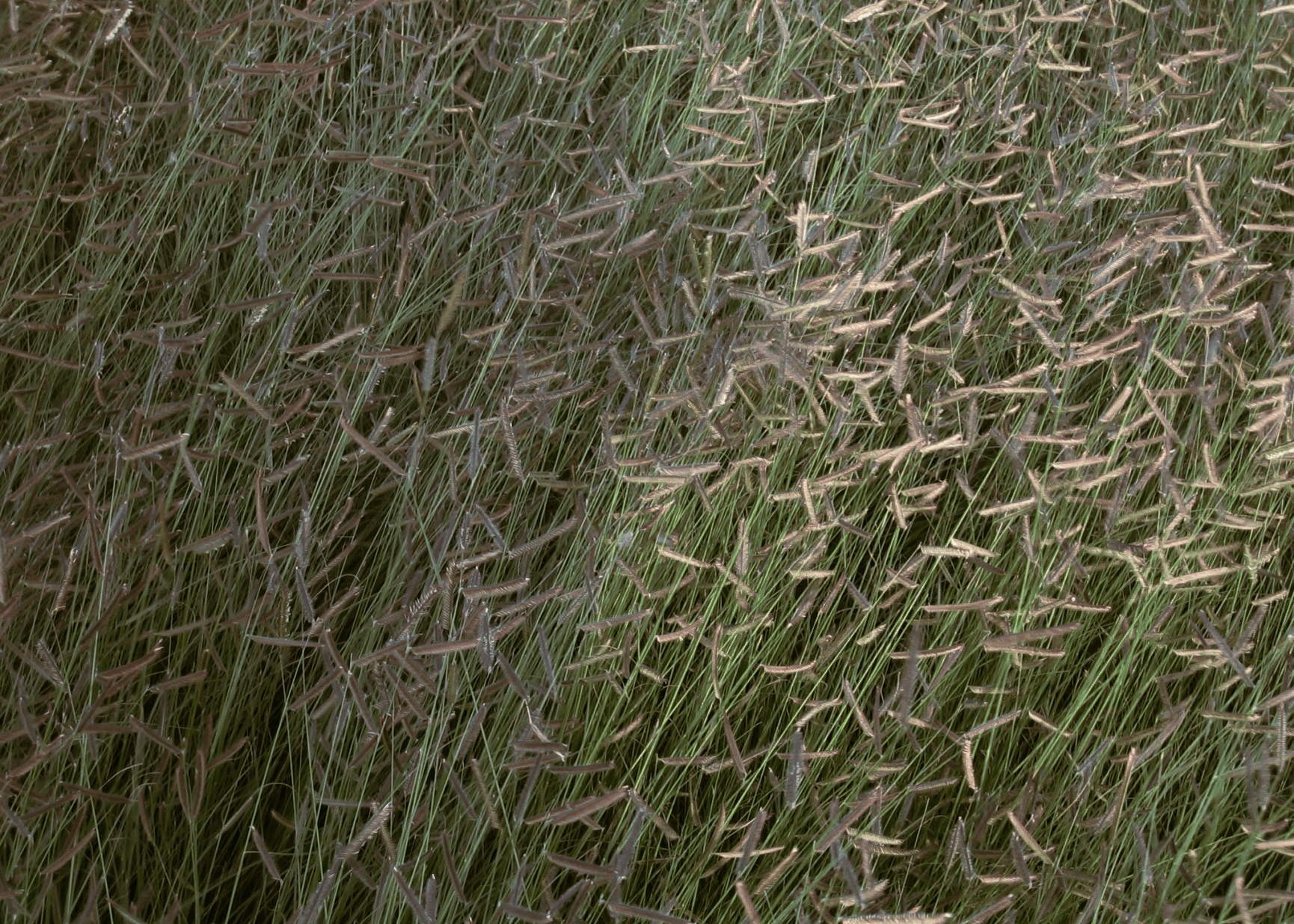
The Beauty and Benefits of Blue Grama Grass
Blue grama grass, scientifically known as Bouteloua gracilis, is a native grass species that thrives in the prairies and plains of North America. This warm-season perennial grass is cherished for its unique appearance, ecological benefits, and versatility in landscaping.
One of the most striking features of blue grama grass is its delicate blue-green foliage that forms dense tufts or clumps. In the summer months, it produces slender flower spikes that dance in the wind, adding a touch of elegance to any landscape.
Aside from its aesthetic appeal, blue grama grass offers numerous ecological benefits. Its deep root system helps prevent soil erosion and improve soil structure. It is drought-tolerant and can thrive in poor soils, making it an excellent choice for sustainable landscaping projects.
Landscapers and gardeners appreciate blue grama grass for its low maintenance requirements. Once established, it requires minimal watering and fertilization, making it a cost-effective and environmentally friendly landscaping option.
In addition to its ornamental value, blue grama grass provides habitat and food for wildlife such as birds and small mammals. Its seeds are a valuable food source for many species, contributing to biodiversity in natural ecosystems.
Whether used in prairie restoration projects, xeriscaping designs, or as a lawn alternative, blue grama grass is a versatile plant with much to offer. Its beauty, resilience, and ecological benefits make it a valuable addition to any landscape.
7 Benefits of Blue Grama Grass: A Drought-Tolerant, Low-Maintenance Choice for Elegant and Eco-Friendly Landscapes
- Drought-tolerant and requires minimal watering
- Low maintenance once established
- Prevents soil erosion with its deep root system
- Adds a touch of elegance to landscapes with its unique appearance
- Thrives in poor soils, making it suitable for various landscaping projects
- Provides habitat and food for wildlife such as birds and small mammals
- Contributes to biodiversity in natural ecosystems
Challenges of Growing Blue Grama Grass: Shade Intolerance, Slow Establishment, Delicate Nature, and Overwatering Risks
- Limited tolerance to shade, requiring full sun for optimal growth.
- Slow initial establishment period, requiring patience and careful maintenance.
- May not perform well in high-traffic areas due to its delicate nature.
- Susceptible to overwatering, leading to root rot and other issues if soil drainage is inadequate.
Drought-tolerant and requires minimal watering
Blue grama grass stands out for its exceptional drought tolerance and minimal watering requirements, making it an ideal choice for landscapes in arid regions or areas with water restrictions. Its ability to thrive in dry conditions not only reduces the need for frequent irrigation but also contributes to water conservation efforts. This low-maintenance characteristic makes blue grama grass a sustainable landscaping option that can withstand periods of limited rainfall while maintaining its beauty and vitality.
Low maintenance once established
One of the key advantages of blue grama grass is its low maintenance requirements once established. This makes it an ideal choice for landscaping projects where minimal upkeep is desired. Once the grass has taken root, it requires little watering and fertilization, saving time, effort, and resources for gardeners and landscapers. Its ability to thrive with minimal intervention makes it a sustainable and cost-effective option for creating beautiful and environmentally friendly landscapes.
Prevents soil erosion with its deep root system
Blue grama grass is a valuable asset in preventing soil erosion due to its extensive and deep root system. The roots of blue grama grass reach deep into the soil, anchoring it firmly and helping to hold the soil in place. This characteristic makes blue grama grass an excellent choice for landscaping projects in areas prone to erosion, as it helps maintain soil stability and protect against the loss of valuable topsoil.
Adds a touch of elegance to landscapes with its unique appearance
Blue grama grass enhances landscapes with a touch of elegance through its distinctive and graceful appearance. The delicate blue-green foliage and slender flower spikes of blue grama grass create a sense of beauty and sophistication in any setting, adding a unique charm that sets it apart from other grass species. Whether used as a focal point in a garden bed or as part of a larger landscape design, the aesthetic appeal of blue grama grass brings a sense of refinement and natural beauty to outdoor spaces.
Thrives in poor soils, making it suitable for various landscaping projects
Blue grama grass’s ability to thrive in poor soils makes it a highly desirable option for a wide range of landscaping projects. Whether used in urban environments with limited access to fertile soil or in natural habitats with nutrient-deficient conditions, this resilient grass species offers a sustainable solution for enhancing landscapes. Its adaptability to challenging soil conditions not only reduces the need for costly soil amendments but also promotes the establishment of green spaces in areas where traditional landscaping may be impractical. By flourishing in poor soils, blue grama grass proves to be a valuable asset for creating visually appealing and environmentally friendly landscapes.
Provides habitat and food for wildlife such as birds and small mammals
Blue grama grass serves as a vital resource for wildlife by providing habitat and food for various species, including birds and small mammals. The dense tufts and seed heads of blue grama grass offer shelter and nesting sites for birds, while its seeds serve as a nutritious food source, supporting the diverse ecosystem of the surrounding environment. By attracting wildlife and contributing to biodiversity, blue grama grass plays a crucial role in maintaining the balance of local ecosystems and fostering a thriving natural habitat.
Contributes to biodiversity in natural ecosystems
Blue grama grass plays a crucial role in supporting biodiversity in natural ecosystems by providing habitat and food for various wildlife species. Its seeds serve as a valuable food source for birds and small mammals, helping to sustain diverse populations and promote a healthy ecosystem. By fostering a rich and varied environment, blue grama grass contributes to the overall balance and resilience of natural ecosystems, making it an essential component in conservation efforts.
Limited tolerance to shade, requiring full sun for optimal growth.
Blue grama grass, while prized for its many benefits, has a notable con in its limited tolerance to shade. This grass species thrives best in full sun conditions, requiring ample sunlight for optimal growth. In shaded areas, blue grama grass may struggle to establish itself and may not reach its full potential in terms of vigor and density. Gardeners and landscapers should take into consideration the sunlight requirements of blue grama grass when selecting suitable locations for planting to ensure successful growth and development of this native grass species.
Slow initial establishment period, requiring patience and careful maintenance.
One drawback of blue grama grass is its slow initial establishment period, which demands patience and meticulous maintenance. Due to its slow growth rate, it may take some time for blue grama grass to fully establish itself in a new environment. During this period, gardeners and landscapers need to provide consistent care, including regular watering, weeding, and monitoring for pests or diseases. While the wait can be challenging, the rewards of a thriving blue grama grass lawn or landscape make the initial effort worthwhile.
May not perform well in high-traffic areas due to its delicate nature.
Blue grama grass, while prized for its beauty and ecological benefits, may not be the ideal choice for high-traffic areas due to its delicate nature. The fine texture and slender stems of blue grama grass make it susceptible to damage from frequent foot traffic or heavy use. In such areas, the grass may struggle to thrive and maintain its aesthetic appeal, requiring extra care and attention to prevent wear and tear. Landscapers and gardeners looking for a resilient turf option in high-traffic zones may need to consider alternative grass species better suited to withstand constant activity.
Susceptible to overwatering, leading to root rot and other issues if soil drainage is inadequate.
One potential drawback of blue grama grass is its susceptibility to overwatering, especially when planted in soil with inadequate drainage. Excessive moisture can lead to root rot and other issues that compromise the health and vigor of the grass. It is essential to ensure proper soil drainage and avoid overwatering to prevent these problems and maintain the optimal growth conditions for blue grama grass.