
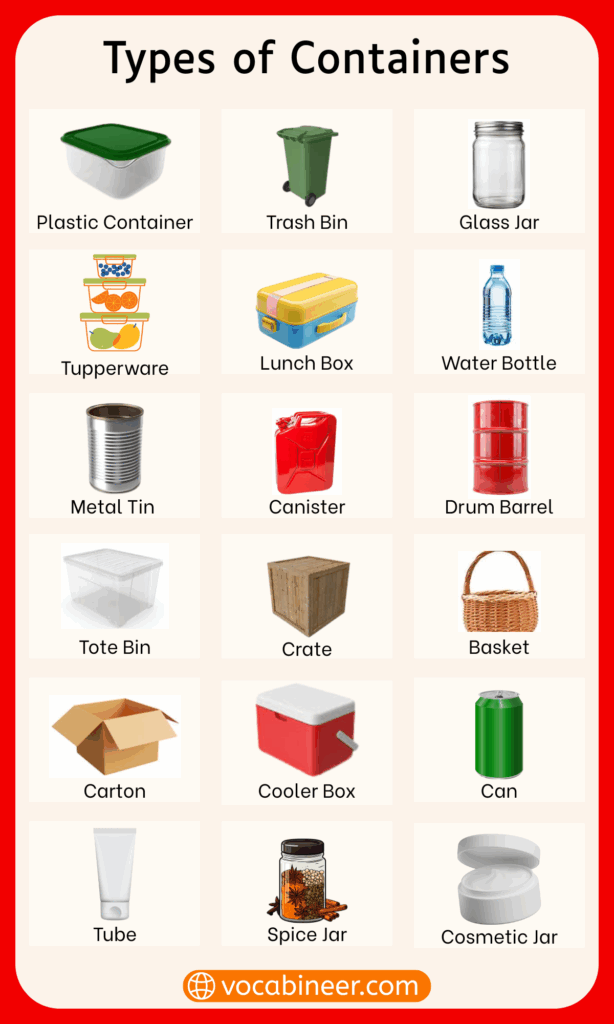
The Versatility of Containers in Gardening
Containers are a versatile and practical solution for gardening enthusiasts with limited space or those looking to add a touch of greenery to their homes. Whether you have a small balcony, patio, or even just a sunny windowsill, containers offer endless possibilities for growing plants.
One of the greatest advantages of using containers is the ability to control the growing environment. You can choose the perfect soil mix for your plants, ensure proper drainage, and easily move your containers to optimize sunlight exposure throughout the day. This level of flexibility allows you to grow a wide variety of plants, from herbs and vegetables to flowers and shrubs.
Containers also provide an opportunity for creative expression in gardening. With numerous shapes, sizes, and materials available, you can customize your container garden to suit your style and space constraints. Mix and match different containers to create visual interest or experiment with vertical gardening by stacking containers or using hanging planters.
Furthermore, containers offer portability, making it easy to rearrange your garden layout or protect delicate plants from harsh weather conditions. You can bring tender plants indoors during colder months or move sun-loving plants to shaded areas during heatwaves.
Whether you’re a seasoned gardener looking for new challenges or a beginner eager to dip your toes into gardening, containers are an excellent starting point. They provide a low-maintenance option for cultivating plants and allow you to enjoy the beauty of nature regardless of space limitations.
Understanding Containers: Costs, Types, and Terminology Explained
- Is buying a container cheaper than renting?
- What are called containers?
- What are the three types of containers?
- How much is a 20 ft container?
Is buying a container cheaper than renting?
When considering whether buying a container is cheaper than renting one, several factors come into play. The upfront cost of purchasing a container may seem higher than renting one initially, but in the long run, buying can be more cost-effective. Renting containers often involves monthly fees that can add up over time, whereas owning a container means no recurring rental expenses. Additionally, owning a container gives you the flexibility to use it whenever needed without worrying about rental deadlines or restrictions. Ultimately, the decision between buying and renting a container depends on your specific needs, budget, and how frequently you anticipate using the container.
What are called containers?
Containers, in the context of gardening and horticulture, refer to any receptacle or vessel used for planting and growing plants. These can include pots, planters, boxes, hanging baskets, and other similar structures that hold soil or growing medium for cultivating various types of vegetation. Containers offer a versatile and adaptable solution for gardening in limited spaces, allowing individuals to create beautiful and functional gardens even without access to traditional garden beds.
What are the three types of containers?
When it comes to gardening, there are three main types of containers commonly used: plastic, ceramic, and terracotta. Plastic containers are lightweight, durable, and come in various sizes and colors, making them a popular choice for many gardeners. Ceramic containers offer a more decorative option with a wide range of designs and finishes to complement any garden aesthetic. Terracotta containers are known for their natural look and ability to absorb excess moisture from the soil, making them ideal for plants that prefer well-drained conditions. Each type of container has its own advantages and considerations, allowing gardeners to choose the best option based on their specific needs and preferences.
How much is a 20 ft container?
The cost of a 20 ft container can vary depending on several factors such as the condition of the container (new or used), the location of purchase, additional features or modifications, and current market demand. Generally, prices for a standard 20 ft container range from a few thousand to several thousand dollars. It is recommended to contact local suppliers or dealers for accurate pricing information and to inquire about any potential discounts or promotions available.