
The Benefits of Drip Irrigation Systems
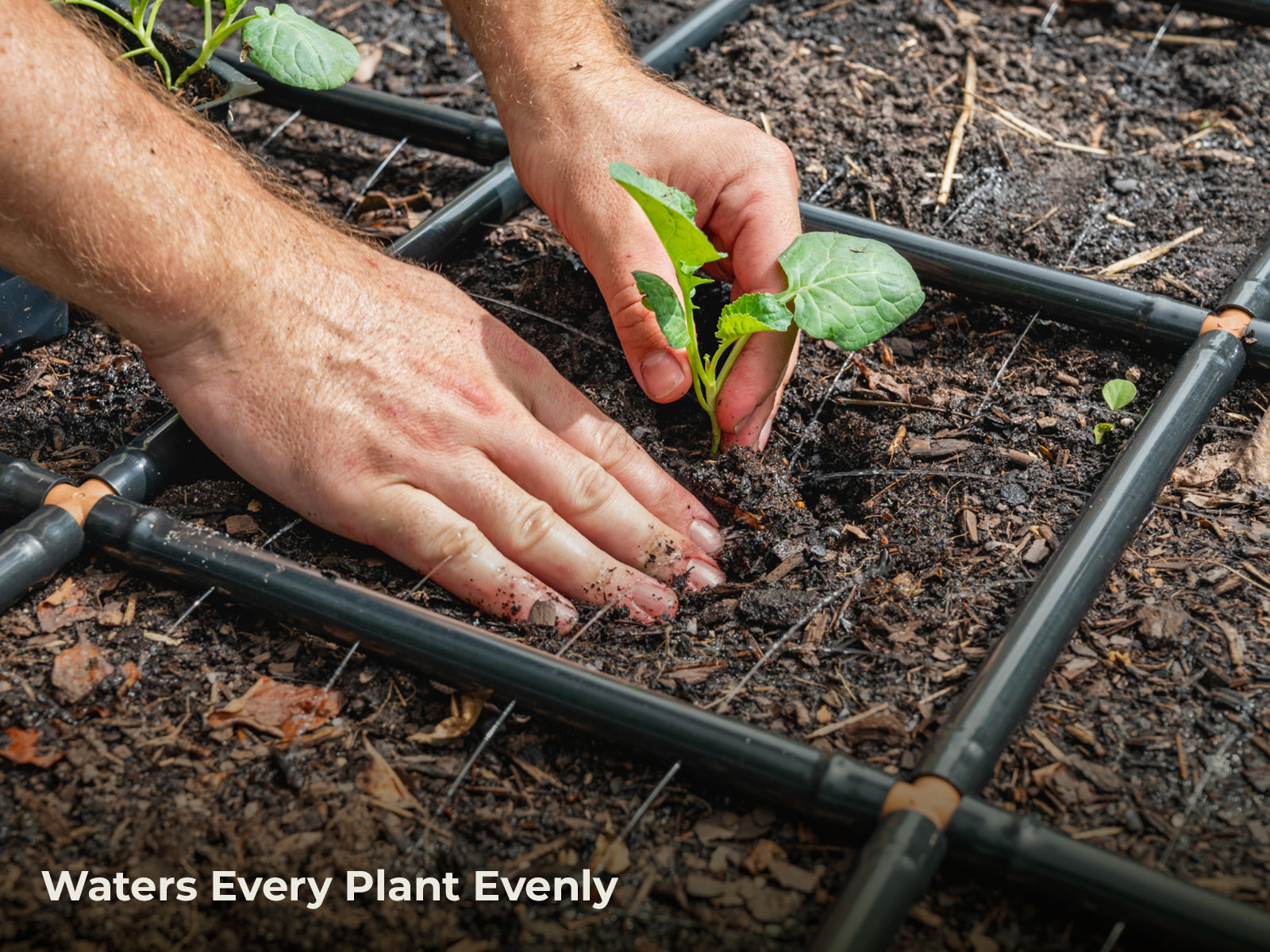
Drip irrigation systems are a highly efficient way to water plants by delivering water directly to the roots in a slow and controlled manner. This method of irrigation offers several benefits for both gardeners and the environment.
Water Conservation
One of the primary advantages of drip irrigation systems is their water-saving capabilities. By delivering water directly to the root zone, there is minimal evaporation and runoff compared to traditional sprinkler systems. This targeted approach ensures that plants receive the right amount of water they need, reducing water waste significantly.
Improved Plant Health
With drip irrigation, plants receive a consistent and uniform supply of water, promoting healthier root development and overall plant growth. By avoiding overwatering or underwatering, plants are less susceptible to stress, diseases, and pests, resulting in stronger and more vibrant vegetation.
Weed Control
Since drip irrigation systems deliver water only to the desired plant roots, there is less moisture on the soil surface where weeds typically thrive. This targeted watering helps suppress weed growth, reducing the need for manual weeding or chemical herbicides.
Time and Labor Savings
Drip irrigation systems are designed for efficiency, requiring minimal maintenance once installed properly. Gardeners can save time on watering tasks as the system operates automatically on a timer. This allows gardeners to focus on other gardening activities while ensuring that plants receive consistent hydration.
Environmental Benefits
By reducing water usage and minimizing runoff, drip irrigation systems contribute to environmental conservation efforts. They help conserve precious water resources while promoting sustainable gardening practices that benefit ecosystems and wildlife habitats.
In conclusion, drip irrigation systems offer numerous advantages for gardeners looking to optimize their watering practices efficiently and sustainably. With benefits ranging from water conservation and improved plant health to weed control and time savings, investing in a drip irrigation system can enhance gardening success while supporting environmental stewardship.
6 Essential Tips for Optimizing Your Drip Irrigation System
- Install a filter to prevent clogging of emitters.
- Regularly check for leaks and repair them promptly.
- Adjust the flow rate to meet the water needs of different plants.
- Use pressure regulators to maintain consistent water pressure.
- Flush the system periodically to remove any built-up debris.
- Consider installing a timer for automated watering schedules.
Install a filter to prevent clogging of emitters.
Installing a filter in your drip irrigation system is a crucial tip to prevent the clogging of emitters. The filter helps to remove debris, sediment, and other particles that can obstruct the flow of water through the system, ensuring that water reaches your plants efficiently and effectively. By incorporating a filter into your setup, you can maintain optimal performance and prolong the lifespan of your drip irrigation system while minimizing maintenance tasks.
Regularly check for leaks and repair them promptly.
Regularly checking for leaks in your drip irrigation system and promptly repairing them is crucial to ensuring its efficiency and effectiveness. Even small leaks can lead to significant water waste over time and may affect the overall performance of the system. By conducting routine inspections and addressing any leaks promptly, you can maintain optimal water distribution to your plants, prevent water loss, and prolong the lifespan of your drip irrigation system. This proactive approach not only conserves water but also helps you save on maintenance costs in the long run.
Adjust the flow rate to meet the water needs of different plants.
When using drip irrigation systems, it is essential to adjust the flow rate to cater to the specific water requirements of different plants in your garden. By customizing the flow rate for each plant, you can ensure that they receive the appropriate amount of water needed for optimal growth and health. This tailored approach not only prevents overwatering or underwatering but also promotes efficient water usage, ultimately leading to thriving plants and a more sustainable gardening practice. Adjusting the flow rate based on individual plant needs is a key strategy in maximizing the benefits of drip irrigation systems and nurturing a diverse and flourishing garden ecosystem.
Use pressure regulators to maintain consistent water pressure.
To ensure optimal performance of your drip irrigation system, it is recommended to use pressure regulators to maintain consistent water pressure. Pressure regulators help control the flow of water through the system, preventing fluctuations that can lead to uneven watering or damage to the components. By maintaining a steady water pressure, pressure regulators ensure that each plant receives the right amount of water, promoting healthy growth and efficient water usage throughout your garden or landscape.
Flush the system periodically to remove any built-up debris.
Periodically flushing your drip irrigation system is a crucial maintenance tip to ensure its optimal performance. By removing any built-up debris in the system, you can prevent clogs and blockages that may disrupt the flow of water to your plants. Flushing the system helps maintain the efficiency of water delivery to the roots, promoting healthy plant growth and preventing potential damage to the irrigation components. Regular maintenance, such as flushing, is key to prolonging the lifespan of your drip irrigation system and maximizing its benefits for your garden.
Consider installing a timer for automated watering schedules.
Consider installing a timer for automated watering schedules when setting up your drip irrigation system. A timer allows you to program specific watering intervals and durations, ensuring that your plants receive consistent and timely hydration without the need for manual intervention. With automated watering schedules, you can optimize water usage, promote plant health, and save time on maintenance tasks, making it easier to maintain a thriving garden while maximizing the efficiency of your irrigation system.